Humanity’s return to the Moon is no longer confined to the realm of science fiction or theoretical mission designs. As space agencies and private enterprises set their sights on establishing a permanent presence on the lunar surface, the conversation has shifted dramatically from whether we can return to the Moon to how we can build, sustain, and live on another celestial body. In a recent, comprehensive discussion featured on the Space Minds podcast, a distinguished panel of industry leaders gathered to break down the monumental challenges, technological breakthroughs, and critical timelines required to turn the vision of a functional lunar base into reality.
Recorded live at the prestigious Johns Hopkins University Bloomberg Center, the panel brought together top executives and innovators from prominent aerospace organizations, including Astrolab, Firefly Aerospace, and the Johns Hopkins University Applied Physics Laboratory (APL). These organizations are at the vanguard of modern space exploration, actively designing the rovers, landers, and infrastructure that will support humanity’s next great leap. During the live event, these leaders offered a candid look at what a lunar future could actually look like, detailing the precise milestones that must be achieved over the next couple of years to lay the groundwork for sustainable habitation.
The complexities of building a base on the Moon extend far beyond the engineering feats required to launch a rocket. Establishing a permanent foothold demands a holistic approach to logistics, power generation, in-situ resource utilization, and life support systems that can withstand the punishing lunar environment. The panel discussion explored these intricate layers, providing space enthusiasts, industry stakeholders, and the public with an inside look at the relentless dedication and innovation driving the new space economy forward.
About Space Minds
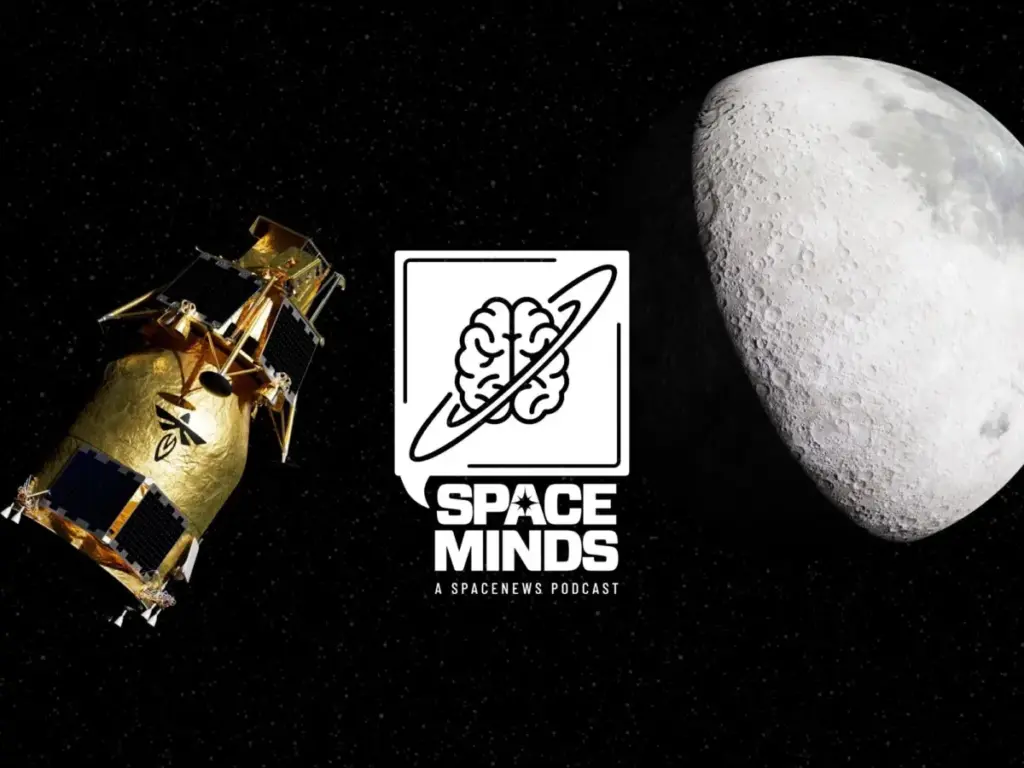
The conversation serves as a cornerstone episode for Space Minds, a dynamic audio and video podcast launched by SpaceNews. Designed to spotlight the most inspiring leaders, breakthrough technologies, and exciting commercial opportunities shaping the modern aerospace sector, the podcast has quickly become a go-to resource for anyone fascinated by the trajectory of human spaceflight and exploration.
Hosted by Mike Gruss alongside seasoned journalists from the SpaceNews editorial team, the weekly podcast delivers compelling, in-depth interviews with the scientists, visionary founders, and technical experts who eat, sleep, and breathe space exploration. The show is meticulously crafted to cover the major news developments and technological advancements that inspire space enthusiasts to look up at the night sky and daydream about humanity’s future among the stars. By fostering an engaging dialogue with the minds pushing the boundaries of what is possible, the podcast bridges the gap between complex aerospace engineering and public curiosity.
Listeners and viewers can tune into new episodes of Space Minds every Thursday. The podcast is widely accessible, broadcasting new releases directly through SpaceNews.com as well as major digital distribution platforms including YouTube, Spotify, and Apple Podcasts. This multi-platform availability ensures that audiences around the globe can easily access high-quality discussions on the future of space exploration, whether they prefer watching the video interviews or listening on the go during their daily commutes.
As the aerospace industry accelerates toward a busy decade of lunar exploration, staying informed about the rapid pace of development is more important than ever. To ensure that followers never miss a moment of the action, SpaceNews offers an exclusive notification service. Enthusiasts can sign up to receive direct communications, gaining early access to each new episode as soon as it goes live. By entering an email address into the registration portal on the SpaceNews platform, subscribers can secure a front-row seat to the unfolding narrative of space history, ensuring they remain deeply connected to the pioneers mapping out humanity’s path to the Moon and beyond.