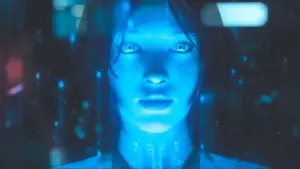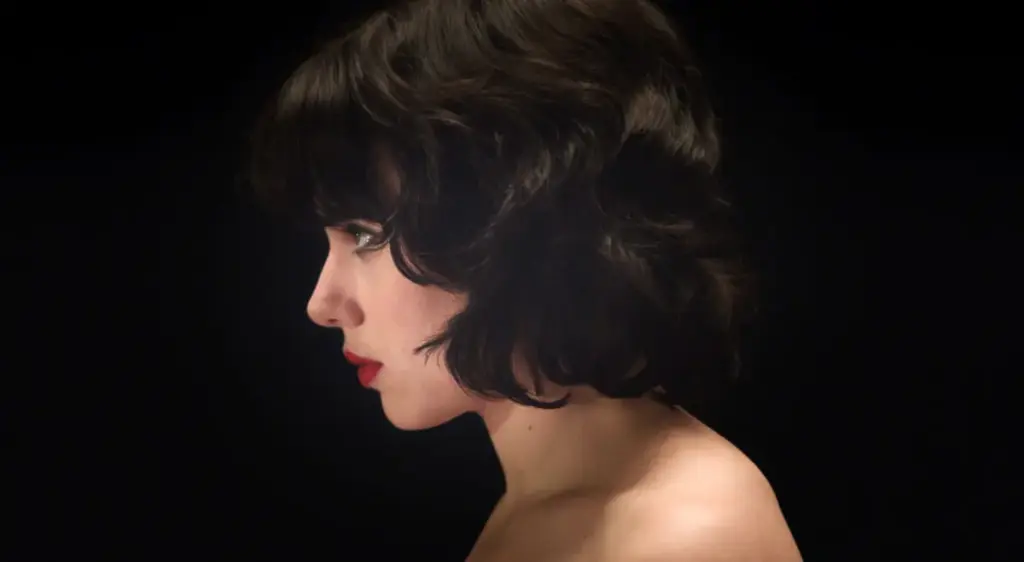
In the modern digital landscape, the way we consume cinema has been fundamentally altered by "clip culture." It is a phenomenon where films are often reduced to a single striking image, a ten-second reaction GIF, or a provocative sequence, stripped entirely of the narrative weight that gave those moments meaning in the first place. This trend has created a disconnect between the internet’s collective memory and the actual substance of the films themselves. A prime example is the iconic image of Chow Yun-fat flashing a thumbs-up; while it has become a staple of online shorthand, few recognize it as a fleeting moment from the 1987 action film A Better Tomorrow II. Similarly, Tobe Hooper’s cult horror classic Lifeforce is frequently reduced in the public consciousness to the singular presence of Mathilda May as a nudist vampire, ignoring the broader, chaotic sci-fi tapestry the film attempts to weave.
This selective consumption often does a disservice to the art form. By prioritizing the most shareable moment over the cohesive whole, we lose the context, thematic depth, and artistic intent of the filmmakers. We essentially turn complex works into memes, treating cinema as a collection of snapshots rather than a medium for storytelling.
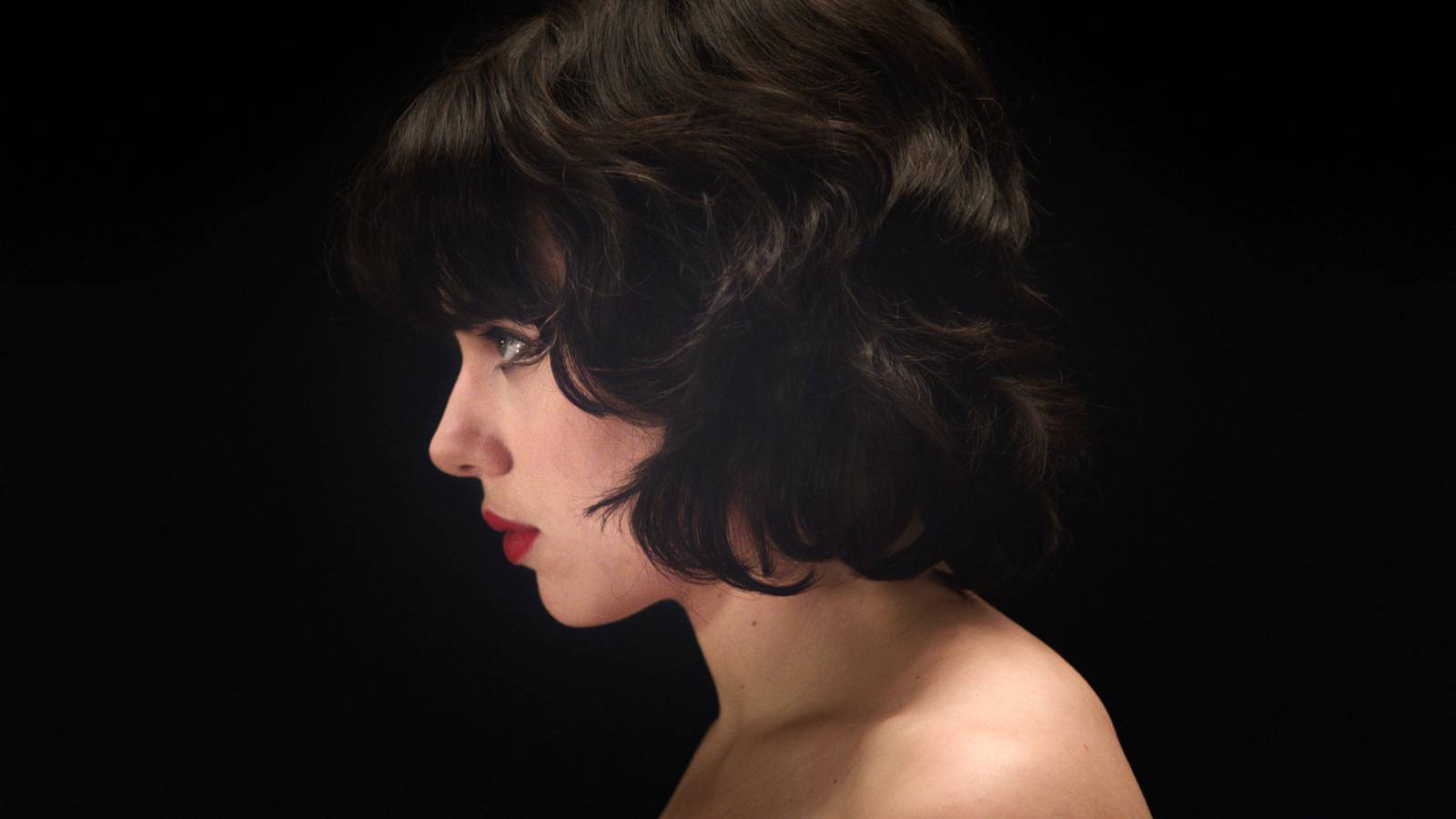
One of the most profound victims of this cultural flattening is Jonathan Glazer’s 2014 masterpiece, Under the Skin. Frequently appearing on critical "best of the 21st century" lists and lauded for its unsettling atmosphere, the film has nevertheless been largely reduced to a series of out-of-context clips featuring Scarlett Johansson. Because the film is visually striking and features sequences of profound vulnerability, the internet has largely memorialized it through short, isolated excerpts. Consequently, while millions have seen these digital fragments, relatively few have sat down to experience the film in its entirety. Fortunately, for those who wish to move beyond the viral surface, Under the Skin is currently available to stream for free across multiple digital platforms, offering a rare opportunity to finally engage with one of the most singular sci-fi experiences of the last decade.

Understanding the Narrative of ‘Under the Skin’
At its core, Under the Skin is a haunting, minimalist exploration of the human condition seen through an alien lens. Scarlett Johansson delivers a performance of chilling restraint, portraying an unnamed, otherworldly entity who travels through the bleak, rain-slicked streets of Scotland. Her mission is as simple as it is terrifying: she scouts for men—specifically those who are isolated, lonely, or unlikely to be missed—and lures them into a surreal, inescapable trap. Once ensnared, these victims are drawn into a void where they are systematically harvested.
The film is loosely based on Michel Faber’s 2000 novel, but director Jonathan Glazer takes significant liberties with the source material. In the book, the narrative is explicit and grounded in a cynical, corporate-dystopian logic; the protagonist, known as Isserley, is a cog in a larger, intergalactic industry that views human beings as a literal delicacy. The film, however, discards this clinical exposition. There are no frantic government agents, no scientific explanations, and no clear-cut villainous motivation. It is a Lynchian, abstract journey that demands the audience piece together the reality of the situation through sensory experience rather than dialogue.
In many ways, the film functions as a high-concept, arthouse inversion of the classic sci-fi tropes found in movies like Species. It strips away the spectacle of traditional extraterrestrial thrillers, replacing explosions and conspiracy theories with long, meditative takes and a score that feels as alien as the protagonist herself. By withholding exposition, Glazer forces the audience to experience the world as Johansson’s character does: with a sense of detached, often terrifying curiosity.

The Alien Reality Show: Style as Substance
What makes Under the Skin so divisive—and perhaps why it struggled to find a massive audience upon its initial release—is its deliberate "wrongness." The film moves at an agonizingly slow pace, often lingering on static shots that feel closer to experimental cinema than a conventional thriller. For the first fourteen minutes of the film, not a single word is spoken. The story is told through the movement of light, the texture of urban environments, and the subtle shifts in Johansson’s facial expressions.
The production methods themselves contributed to this uncanny, documentary-like feeling. Glazer utilized hidden cameras to capture real interactions between Johansson and non-professional actors on the streets of Scotland, creating a blurred line between reality and performance. This technique, combined with the director’s preference for sparse, ambient sound design over traditional dialogue, makes the film feel less like a narrative feature and more like an alien reality show. It is a voyeuristic experience that places the viewer in the position of an observer witnessing the mundane and the horrific in equal measure.
When the protagonist does interact with the world, she displays a fascination with the most trivial aspects of life. Whether she is watching an ant crawl across the floor or examining her own physical form in a mirror, she exhibits a lack of malice that is perhaps more unsettling than if she were a typical predator. She is simply observing and consuming, a process that feels as natural to her as breathing. This detachment is exactly what makes the film so difficult to forget; it presents a vision of humanity that is completely stripped of sentimentality.
The ‘Product’ Trilogy: Johansson’s Performance Art
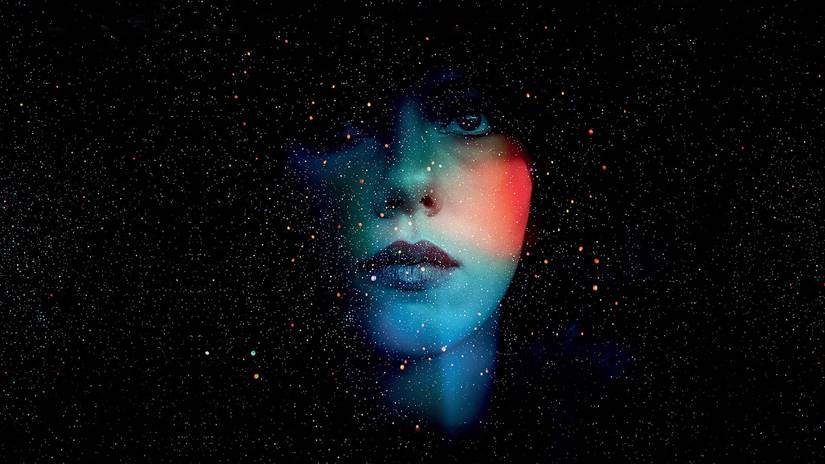
To truly appreciate Under the Skin, it helps to view it within the context of Scarlett Johansson’s career at the time. The film effectively functions as the final entry in an informal, unintentional trilogy of performances where the actress engaged with her own public image as a commodity.
In 2013, the same year she starred in Under the Skin, Johansson provided the voice for Samantha, the sentient AI in Spike Jonze’s Her. In that film, she existed solely as a disembodied voice—a digital companion who, despite her lack of physical form, became the object of deep human desire. Shortly after, she appeared in Luc Besson’s Lucy, playing a woman who is initially treated as a pawn and a victim of abuse before transcending humanity to become an all-powerful, god-like being.
Under the Skin serves as the dark mirror to these roles. If Her explored her as an invisible, idealized companion and Lucy explored her as an unstoppable force of nature, Under the Skin presents her as a hidden, parasitic threat. In all three roles, there is a meta-commentary on the nature of celebrity. Johansson, who had been a household name since her breakout in Lost in Translation and was riding the immense wave of her role as Black Widow in the Avengers franchise, used these films to challenge the way audiences perceived her. She became a "product" that the audience was invited to consume, but like the film itself, there was a warning hidden in the packaging.
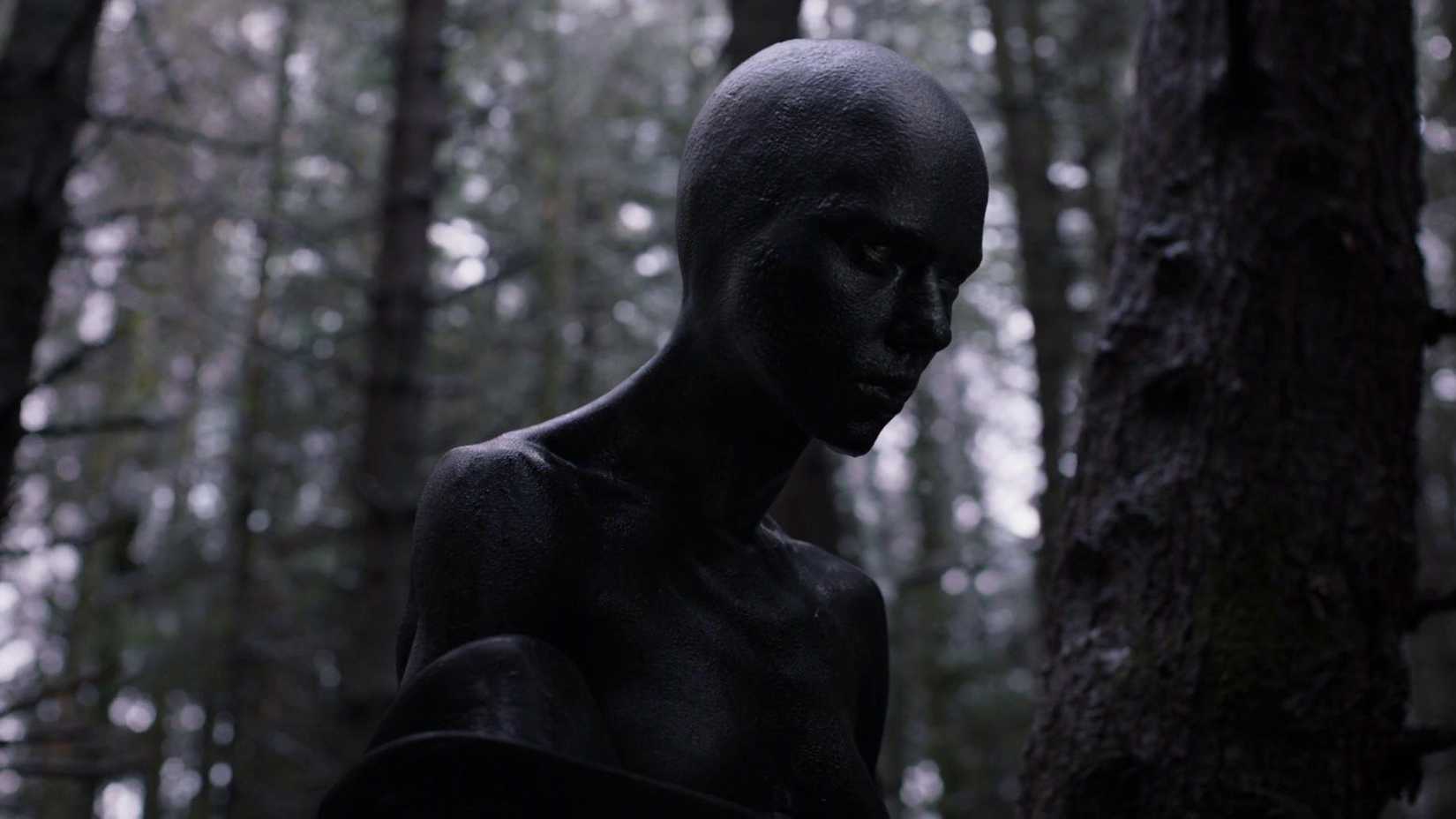
For those who have only ever seen a viral clip of the film, the experience of watching Under the Skin from start to finish is an essential corrective. It is a work that rewards patience and invites deep, often uncomfortable reflection. It is a rare piece of genre filmmaking that refuses to offer the easy answers or the cathartic conclusions typically found in sci-fi cinema. The film is currently streaming for those looking to see past the snapshots and into the void; it is available on platforms including Tubi, Pluto TV, the Roku Channel, Plex, Fandango, and Xumo Play, as well as on Netflix. Engaging with the full work reveals that the most memorable thing about Under the Skin isn’t a specific image or a viral moment—it is the haunting, lingering sensation of seeing the world through a pair of eyes that were never meant to be human.