LG Electronics continues to solidify its reputation as a formidable player in the home audio market, moving beyond its well-established dominance in the OLED television space to refine its premium audio offerings. The company’s "Sound Suite" home theater system, which has garnered attention for its innovative approach to modular, room-filling sound, is receiving a significant boost in functionality. By integrating new software capabilities and expanding network compatibility, LG aims to provide a more robust, versatile, and immersive listening experience for home theater enthusiasts who prioritize both performance and flexibility.
The Sound Suite system is perhaps best known for its unique "à la carte" design philosophy. Unlike traditional, rigid surround sound packages that lock users into a specific set of speakers and wiring configurations, Sound Suite allows owners to mix and match individual speakers to suit the unique dimensions and acoustic properties of their living spaces. Once the speakers are placed, the system utilizes Dolby Atmos FlexConnect technology to intelligently calibrate the audio, ensuring that the sound profile remains balanced and immersive regardless of where the speakers are positioned. While this high-end, customizable approach has been praised by reviewers for its powerful performance, it represents a significant financial investment, making these new software-driven improvements a welcome enhancement for existing and future owners alike.
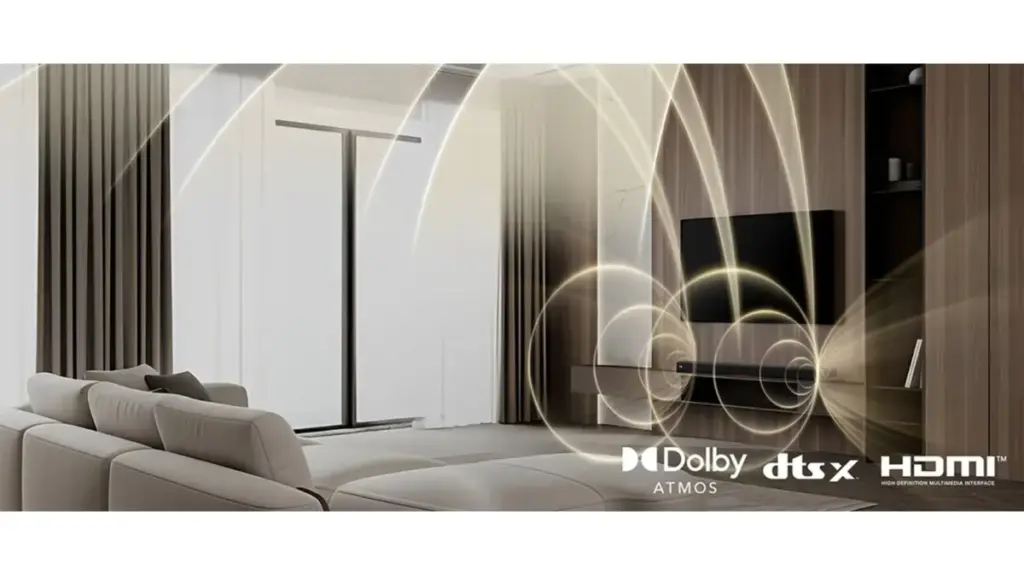
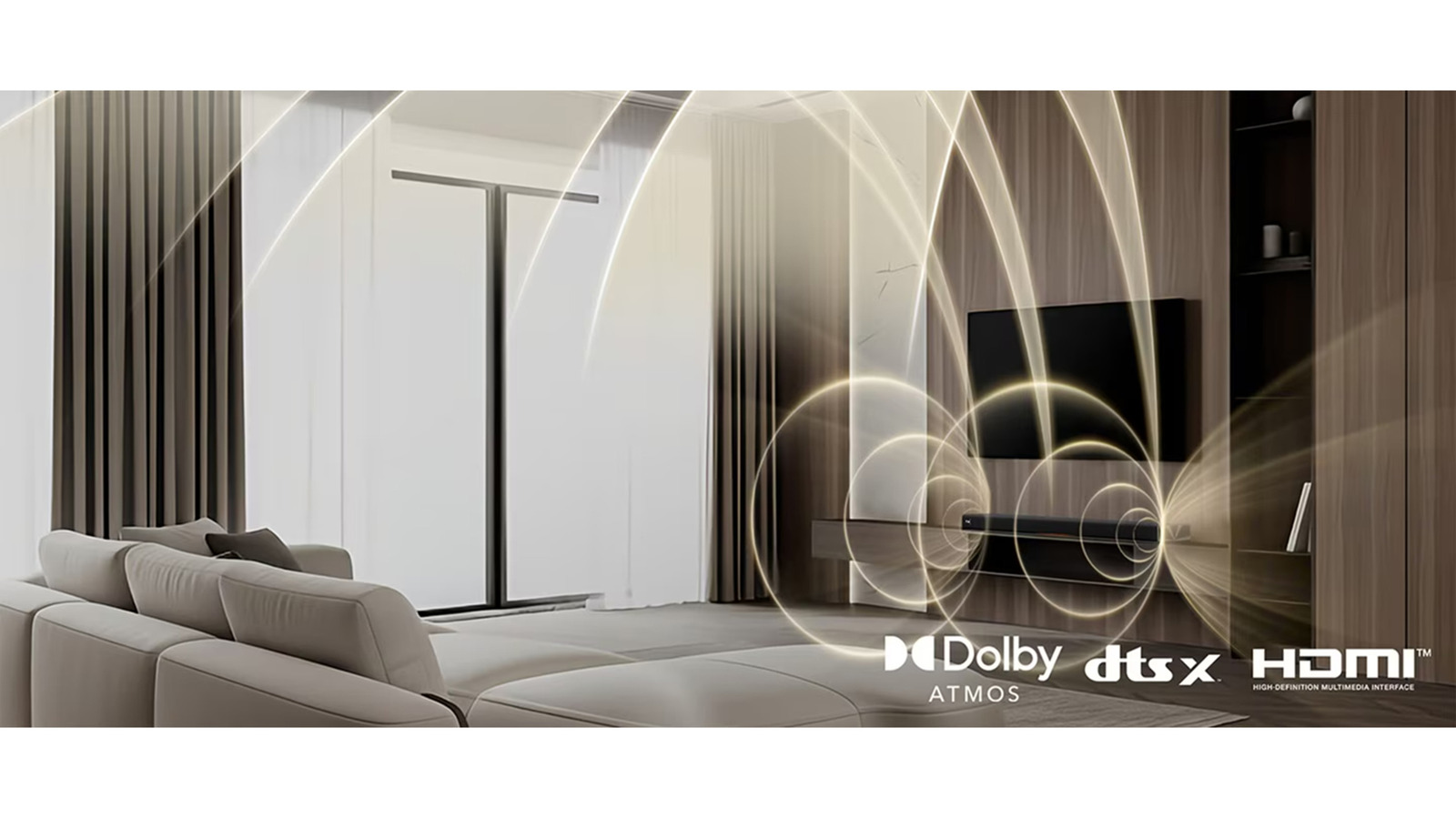
In direct response to consumer feedback, LG is rolling out a series of updates that broaden the system’s capabilities, most notably the addition of support for DTS:X. This high-fidelity, object-based audio format is widely regarded as a superior alternative to channel-based surround sound, offering a more realistic, multi-dimensional audio experience. By incorporating DTS:X, the H7 soundbar—which serves as the core processing engine of the Sound Suite system—is now capable of rendering complex soundscapes that allow listeners to pinpoint the location of specific audio objects in a 3D space. LG noted that this update is specifically designed to provide home theater enthusiasts with deeper, more nuanced ways to enjoy content from high-quality sources, effectively elevating the system’s performance for movies, gaming, and high-resolution audio playback.

Alongside the inclusion of DTS:X, LG has introduced Google Cast support to the H7 soundbar. This integration is a significant quality-of-life improvement for users who rely on streaming services for their daily media consumption. With Google Cast, owners can now bypass the need for external Bluetooth connections or proprietary apps, allowing them to cast music, podcasts, and other audio content directly from their smartphones, tablets, or laptops to the Sound Suite system. This transition toward a more integrated, "smart" home theater ecosystem reflects the broader industry trend of prioritizing seamless connectivity, ensuring that the Sound Suite functions as both a dedicated cinema solution and a primary hub for casual, high-fidelity music streaming.
The update also addresses the practicalities of modern home networking, which has become increasingly complex as more devices compete for bandwidth. Recognizing that high-quality audio streaming and multi-speaker synchronization require a stable and robust network connection, LG has expanded the system’s compatibility with Wi-Fi 6 GHz networks and 5 GHz DFS (Dynamic Frequency Selection) channels. These enhancements are designed to provide a more reliable wireless environment, reducing latency and interference. For the end user, this translates to more flexible stereo and multi-speaker configuration options, allowing for a cleaner setup without the clutter of physical wires, all while maintaining the high-bitrate data transfer necessary for premium, immersive audio.
For those seeking to push the boundaries of their home theater’s physical performance, the update brings support for dual W7 subwoofer configurations. Low-end frequency reproduction is a hallmark of an effective cinematic experience, and the ability to link two subwoofers allows for more uniform bass distribution throughout a room. By smoothing out the low-frequency response and eliminating the "dead zones" that can occur with a single subwoofer, the dual-W7 setup provides a deeper, more impactful foundation for the soundstage. This addition is clearly aimed at the power user who wants to maximize the physical footprint of their audio system to achieve a professional, theater-like impact in a domestic environment.
Perhaps the most intriguing part of LG’s announcement is the teaser for a device currently in development: the "Media Connect Hub." While details remain sparse, the company has indicated that this hub is being engineered specifically to work with DTS:X devices. LG stated that the hub will enable DTS:X support from compatible external source devices, potentially acting as a bridge to expand access to high-end audio content. While LG has not explicitly confirmed the hardware specifications or the exact use cases, industry observers have speculated that this could provide a streamlined way to connect dedicated Blu-ray players, 4K Ultra HD disc players, or other media sources that support advanced audio formats directly into the Sound Suite ecosystem. This would solve a common pain point for users who possess high-quality physical media collections but find that their existing sound systems struggle to properly decode or transmit the full potential of those high-bitrate audio streams. The development of the Media Connect Hub suggests that LG is committed to keeping the Sound Suite system future-proof, ensuring that it remains relevant as new media formats and hardware standards emerge.
The software updates required to enable these new features are currently in the process of rolling out globally, although the exact timing and availability can vary significantly depending on the user’s region and specific network setup. LG has advised owners to check their system settings or look for notifications within the LG sound management interface to ensure their hardware is running the latest firmware. For those who have already invested in the Sound Suite’s flexible, modular architecture, these updates represent a substantial increase in value. By layering new, sophisticated audio processing and expanded connectivity onto a system that was already built for physical adaptability, LG is clearly attempting to bridge the gap between high-end, custom-installed home theater solutions and the convenience of consumer-friendly, software-defined hardware.
As the home theater market continues to evolve, the distinction between "smart" connectivity and raw acoustic performance is becoming increasingly blurred. Consumers no longer want to choose between the ease of use offered by streaming protocols like Google Cast and the immersive, high-bitrate performance of formats like DTS:X. Through this latest update, LG is signaling that its Sound Suite is intended to be a long-term investment, one that can grow and adapt to both the user’s changing room requirements and the broader shifts in digital media consumption. While the company has yet to provide a concrete timeline for the release of the Media Connect Hub, the announcement itself underscores a strategic focus on ecosystem expansion. For now, owners of the H7 soundbar and the wider Sound Suite range have a significant suite of new tools to explore, ensuring that their home theater remains at the cutting edge of domestic audio technology. As the rollout continues and more users integrate these new features, it will be interesting to observe how the addition of dual-subwoofer support and advanced network configurations influences the ways in which users arrange their spaces and experience their favorite media.