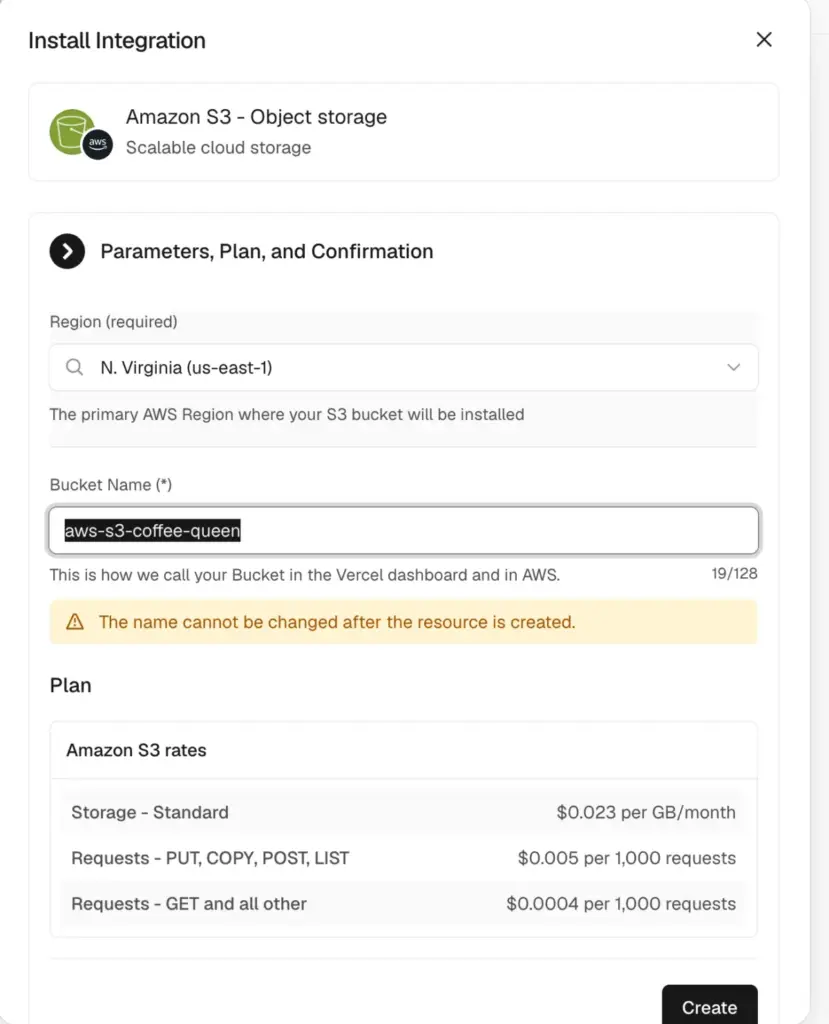
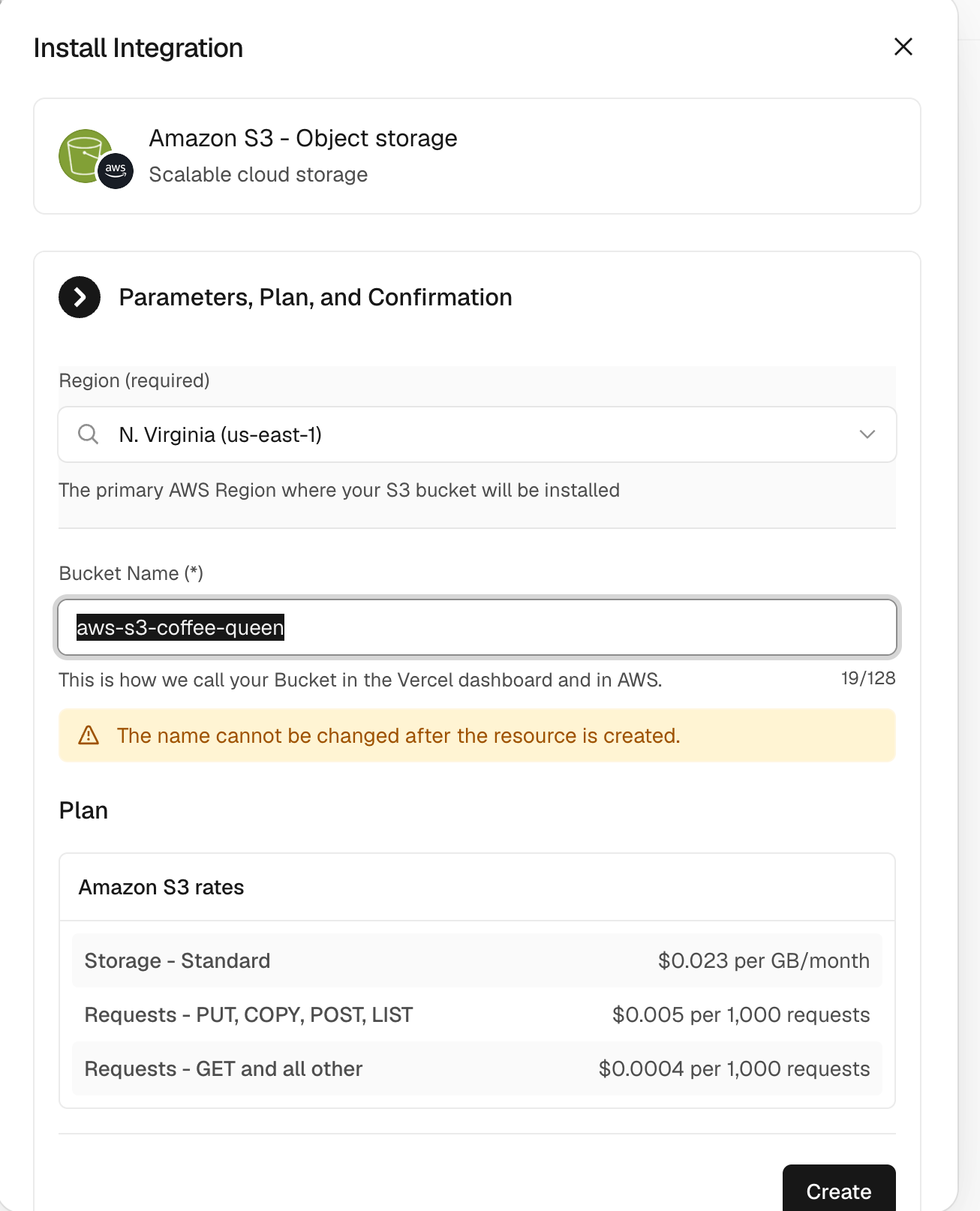
In a move set to streamline the development lifecycle for millions of engineers, Vercel has announced a major expansion of its AWS integration capabilities. Developers building web and AI-driven applications on the Vercel platform can now provision and manage Amazon Simple Storage Service (Amazon S3) resources directly through the Vercel Marketplace and the AI-powered development tool, v0. By bridging the gap between Vercel’s intuitive provisioning workflow and the robust, scalable infrastructure of AWS, this integration aims to eliminate the friction typically associated with configuring cloud storage, security policies, and credentials.
This update introduces native support for the full suite of S3 capabilities, including Amazon S3 Tables and Amazon S3 Vectors. By providing a unified interface, Vercel allows developers to handle three primary workload categories—everyday object storage, advanced analytics, and AI-powered semantic search—without leaving their familiar development environment.
Bridging the Gap Between Frontend and Cloud Infrastructure
For many teams, the process of deploying a performant, scalable application has long been bifurcated. While developers favor Vercel for its rapid deployment and frontend-centric workflow, they have historically been required to pivot to the AWS Management Console to handle backend storage requirements. This often meant manually configuring IAM policies, managing access keys, and navigating complex networking settings—tasks that can be time-consuming and prone to configuration errors.

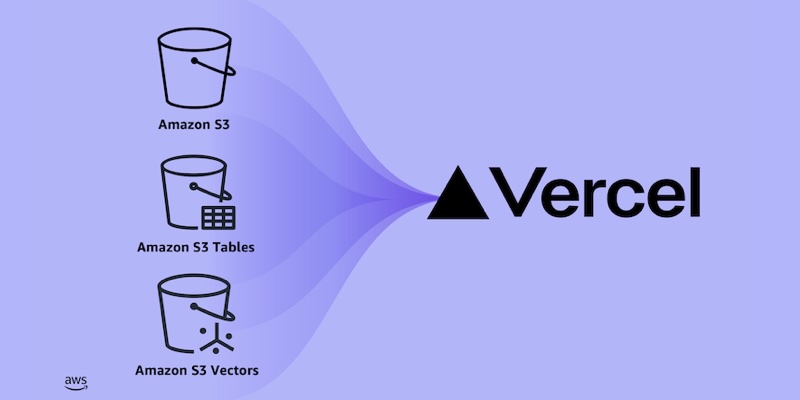
By embedding S3 directly into the Vercel dashboard, this integration bridges the divide between the frontend and the data layer. This initiative builds upon existing Vercel integrations for Amazon Aurora, Amazon DynamoDB, and Amazon OpenSearch Serverless. With these tools now operating under a single umbrella, developers can construct a comprehensive, production-grade application stack entirely within Vercel. Because these services share the same AWS account and authentication model, developers can maintain a consistent billing structure and simplified resource management, effectively treating their cloud backend as a seamless extension of their Vercel project.
Tailored Storage for Modern Workloads
The integration is designed to be versatile, supporting distinct storage needs ranging from simple file hosting to complex AI infrastructure. For standard web applications, general-purpose S3 buckets allow for easy file uploads and retrieval, which is essential for user-generated content or media-heavy applications. The integration automatically handles the necessary environment variables—such as AWS_REGION, AWS_ROLE_ARN, and various bucket identifiers—ensuring that developers can connect to their storage immediately upon provisioning.
Beyond basic storage, the inclusion of Amazon S3 Tables and Amazon S3 Vectors represents a strategic shift toward empowering developers to build data-intensive and AI-centric applications with greater ease. S3 Tables, which are purpose-built for analytics, provide a fully managed Apache Iceberg experience. These tables are designed to optimize query performance automatically as data volumes scale, making them an ideal choice for developers building analytics dashboards or processing clickstream data. By leveraging tools like DuckDB within a Vercel Function, developers can run sophisticated aggregate queries against their S3-stored data without the overhead of maintaining a traditional data warehouse.

Similarly, the support for S3 Vectors addresses the growing demand for AI-native storage. As developers continue to build AI agents and semantic search engines, the need for efficient vector storage has become paramount. S3 Vectors provides a cost-optimized solution for storing and querying high-dimensional vector embeddings. While the service does not generate these embeddings itself—leaving that to the developer’s preferred AI model—it simplifies the indexing and retrieval process, allowing for seamless RAG (Retrieval-Augmented Generation) workflows when paired with other AWS services like DynamoDB or Aurora.
The Role of v0 in AI-Assisted Provisioning
A significant aspect of this update is its deep integration with v0 by Vercel. The generative AI tool now understands the complexities of the AWS ecosystem, allowing developers to provision infrastructure using natural language. A developer can simply describe a project—such as "a support bot that answers questions from my PDFs" or "an analytics dashboard for my clickstream data"—and v0 will automatically provision the appropriate S3 resource, configure the necessary connections, and generate the corresponding boilerplate code.
This capability significantly lowers the barrier to entry for complex features. Rather than manually wiring together different services, developers can rely on the platform to set up the architecture, handle the authentication via OIDC (OpenID Connect) tokens, and provide a working starting point. Because the system exchanges short-lived OIDC tokens with the AWS Security Token Service (STS) for temporary, scoped credentials, the integration maintains high security standards without the risks associated with static access keys stored in configuration files.
Operational Security and Flexibility
A core principle of this integration is the emphasis on security and developer autonomy. By utilizing the awsCredentialsProvider from the @vercel/functions/oidc library, the platform ensures that no static credentials are ever stored or exposed. This temporary token approach is a modern industry standard that minimizes the surface area for security breaches.
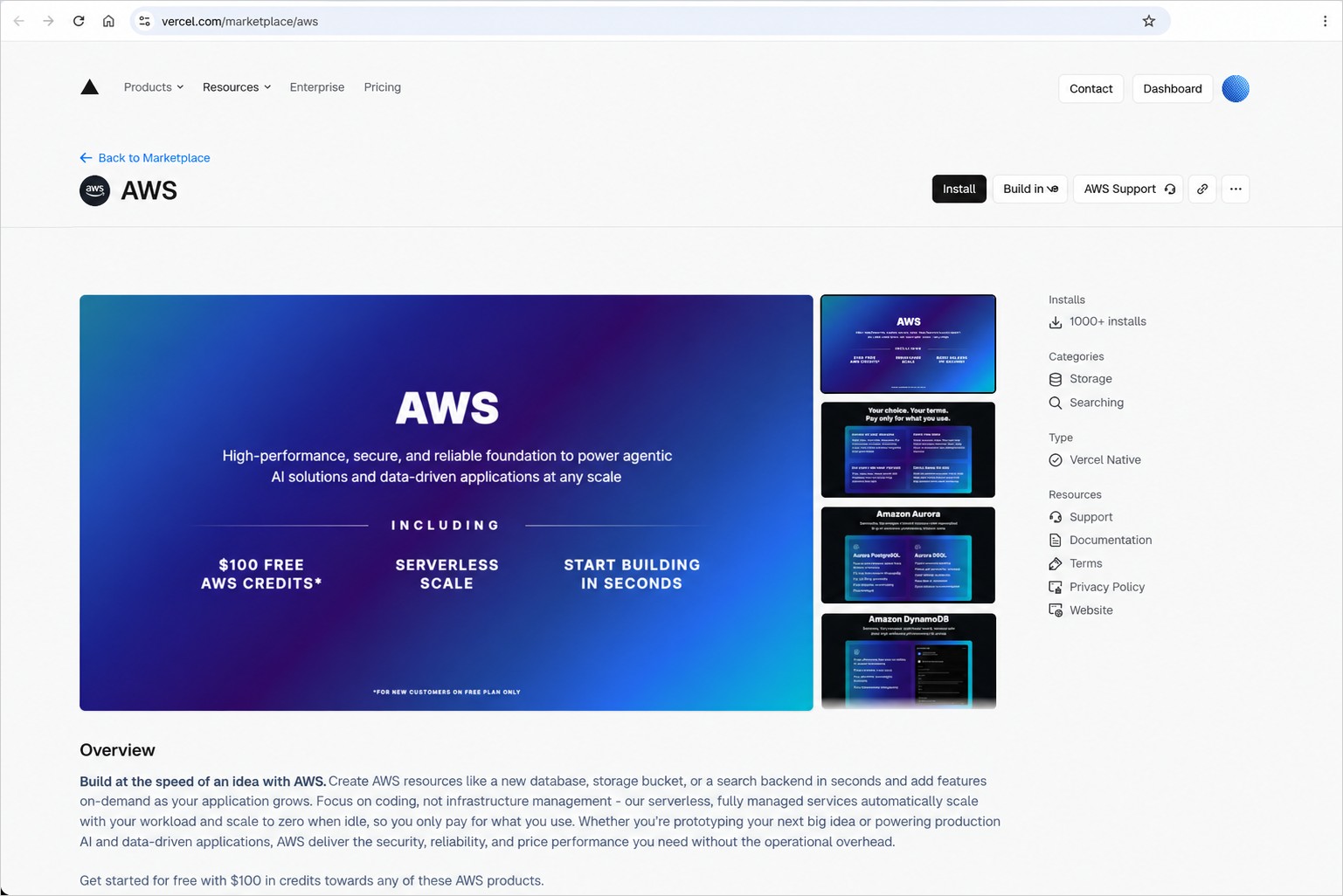
Furthermore, the integration provides flexibility for different stages of the development lifecycle. Developers can choose to create an entirely new AWS account through the Vercel dashboard, which comes with $100 in AWS credits to help with initial testing and prototyping. Alternatively, those with existing infrastructure can link their current AWS accounts to the platform. In this scenario, Vercel respects the existing environment, focusing its management on the specific buckets created through the Vercel interface. This allows teams to retain the benefits of AWS-native tooling and management while enjoying the accelerated developer experience that Vercel provides.
Availability and Community Engagement
This new functionality is currently available in all commercial AWS Regions supported by Vercel. As the ecosystem continues to evolve, Vercel and AWS are encouraging developers to engage with the documentation and community resources to maximize the potential of these tools. For those looking to integrate these services into automated workflows or AI agents, the AWS MCP (Model Context Protocol) Server and associated plugins are available to assist with API interactions and documentation search.
The integration reflects a broader industry trend toward simplifying the "glue" that holds modern applications together. By turning cloud infrastructure into a configurable component of the development platform, Vercel is allowing developers to spend less time on manual provisioning and more time on the core logic of their applications. As the boundaries between frontend development and cloud backend management continue to blur, this integration provides a clear pathway for developers to leverage the immense power of Amazon S3 with the speed and efficiency that the modern web demands. Developers interested in exploring these capabilities can visit the Vercel Marketplace or the v0 dashboard to begin experimenting with these new storage options.