Apple has once again captured the attention of the consumer technology world with a fresh wave of smart home hardware and ecosystem updates. Leading the charge is the company’s ambitious new push into smart displays with Apple HomeView, a device that managed to impress industry analysts during initial hands-on demonstrations. However, as tech journalists point out, the true test for any household technology will be how it integrates into the daily chaos of family life, children, and multi-user environments.
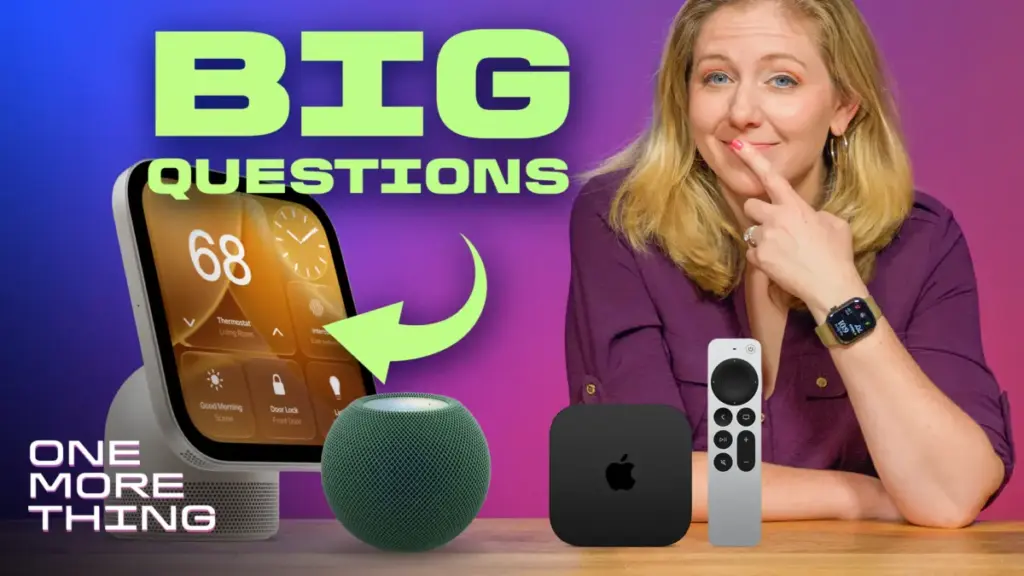
In a recent deep-dive breakdown of Apple’s latest product event, technology experts analyzed everything from the emotional resonance of the initial HomeView commercials to the granular hardware upgrades coming to the living room and desktop spaces. Alongside the headline-grabbing HomeView smart display, Apple revealed updates to its popular audio and streaming lineup, including the next-generation Apple TV 4K streaming box and the upcoming HomePod Mini 2.
The conversation around Apple’s latest hardware event naturally begins with the HomeView, a device that aims to dismantle the historical barriers consumers face when trying to build a cohesive smart home. Initial reactions to the commercial campaign suggest that Apple has successfully articulated a vision of a seamless domestic experience. Yet, living with a countertop or wall-mounted smart display brings a new set of challenges and questions regarding physical integration, user privacy, and everyday utility.

One of the standout features discussed during the hardware breakdown is the inclusion of a built-in FaceTime camera on the HomeView, bridging the gap between communication and smart home management. Furthermore, the device is designed to accommodate multiple users seamlessly, ensuring that different members of a household can access personalized schedules, media, and controls without stepping on each other’s toes. The operating system and custom application ecosystem built specifically for HomeView hint at a deeply integrated approach, complete with playful touches like the appearance of Snoopy, which adds character to the interface. Whether mounted on a kitchen wall or resting on a countertop, the hardware is engineered to blend into various domestic aesthetics, raising questions about how consumers will ultimately choose to place and live with the device.

Beyond the new smart display category, Apple is refreshing its staple living room entertainment hardware. The fourth-generation Apple TV 4K streaming box arrives with notable internal updates designed to make media consumption faster and more responsive. Alongside the updated streaming box comes a redesigned Siri Remote, refining the physical interaction layer that users rely on daily for navigation and content discovery.
Pricing and upgrade viability are always top of mind for consumers sitting on older hardware generations. Tech analysts have weighed in on whether current owners of older Apple TV 4K boxes should make the leap to the newest iteration, considering the incremental performance gains and hardware updates. For audio enthusiasts, one of the most intriguing possibilities highlighted in the hardware showcase is the ability to achieve an immersive surround sound setup by pairing the Apple TV 4K with up to four HomePods, creating a robust acoustic environment for movies and music.
Audio integration remains a central pillar of Apple’s smart home strategy, anchored by the announcement of the new HomePod Mini 2. While the physical footprint of the compact smart speaker remains small, the device is set to benefit significantly from broader software advancements. Most notably, advanced Siri AI capabilities are coming to the HomePod lineup, promising a more conversational, context-aware assistant capable of handling complex domestic commands more reliably than previous iterations. This infusion of artificial intelligence is expected to unify the experience across both the HomePod Mini 2 and the larger HomeView displays, creating a more responsive ecosystem for smart home automation.
As the smart home landscape evolves, the interoperability between Apple’s new hardware and existing third-party smart home devices will dictate long-term adoption rates. Consumers are increasingly looking for ecosystems that do not lock them into a single brand, and Apple’s presentation touched upon how HomeView and its accompanying operating system intend to communicate with a broader array of connected appliances and security systems.
While the recent hardware event provided a comprehensive look at Apple’s autumn roadmap, the company’s product cycle is far from over. The technology calendar indicates that Apple has more announcements and product releases on the horizon as the fall season progresses. Specifically, consumers and tech enthusiasts won’t have to wait long for the next major hardware rollout, with the iPhone Duo officially scheduled to hit store shelves on October 23.