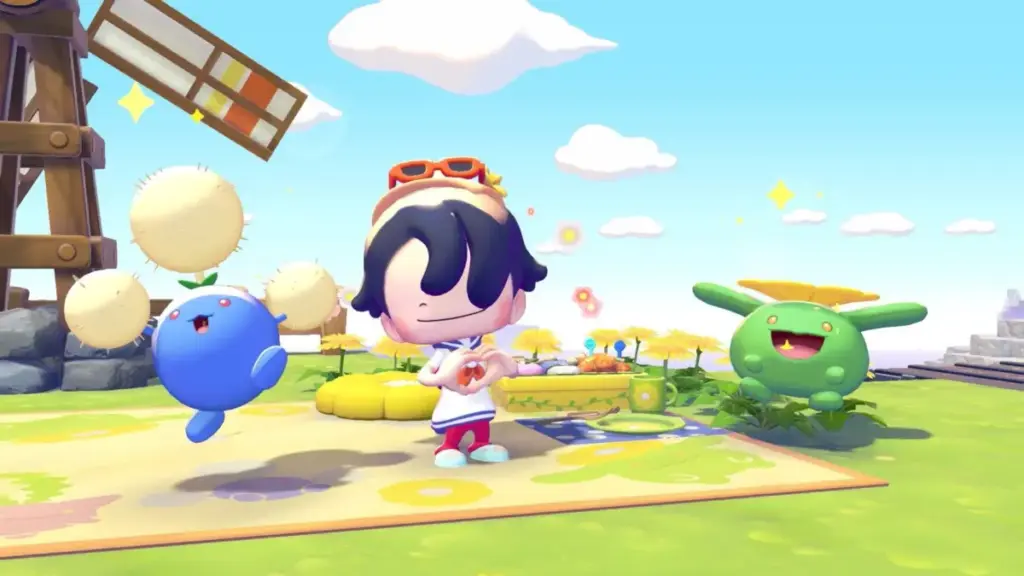
The world of Pokémon Pokopia is constantly evolving, with a dynamic ecosystem that shifts throughout the calendar year. For players looking to maximize their island’s potential and acquire exclusive decorative assets or rare Pokémon encounters, understanding the game’s seasonal event structure is essential. While these festivities are designed to celebrate specific dates, the game offers a flexible approach to content, ensuring that no player is permanently locked out of the fun, even if they miss the live rollout of a seasonal update.
At the heart of the Pokémon Pokopia experience are the limited-time events, which introduce unique items and specific creature appearances that aren’t available during the standard gameplay loop. As of the latest update, there are eight distinct events integrated into the game’s schedule. These range from lighthearted, short-term celebrations like the April Fools’ Day festivities to more involved gameplay experiences that require players to engage with specific mini-games or assist rare Pokémon in gathering materials. By fulfilling these event-specific requirements, players can unlock unique furniture, specialized decor, and other aesthetic rewards that help transform their islands into one-of-a-kind sanctuaries.
One of the primary concerns for players in modern simulation games is the fear of missing out—the dreaded "FOMO" that often accompanies time-gated content. In Pokémon Pokopia, however, the developers have provided a workaround for those who might be away from their consoles during a specific holiday or event window. Players have the ability to utilize "time travel" by adjusting their Nintendo Switch system clock. This allows users to revisit past events or prepare for upcoming ones at their own pace.
However, navigating these temporal shifts requires a bit of logistical awareness. The internal clock of Pokémon Pokopia operates on a distinct daily cycle, with a "new day" officially resetting at 5:00 a.m. To successfully trigger an event when manually adjusting the system time, players must ensure that their console clock is set to a time well past this 5:00 a.m. threshold on the day the event is scheduled to begin. It is also important to note that these events are not permanent; they typically conclude at 4:59 a.m. on the final day listed in the schedule. Planning accordingly ensures that players have the maximum amount of time to participate and collect the necessary items before the event content rotates out.
For those looking to expand their collections without relying solely on event-specific activities, there is a helpful secondary option: the 3D printer. Located within the game’s various Pokémon Centers, this machine allows players to replicate many of the items introduced during these seasonal events. While not every single reward can be synthesized, the 3D printer acts as a reliable safety net, allowing players to secure decor and items that they might have missed during the original event window. This system highlights the game’s broader philosophy of accessibility, ensuring that island customization remains a creative, stress-free endeavor.
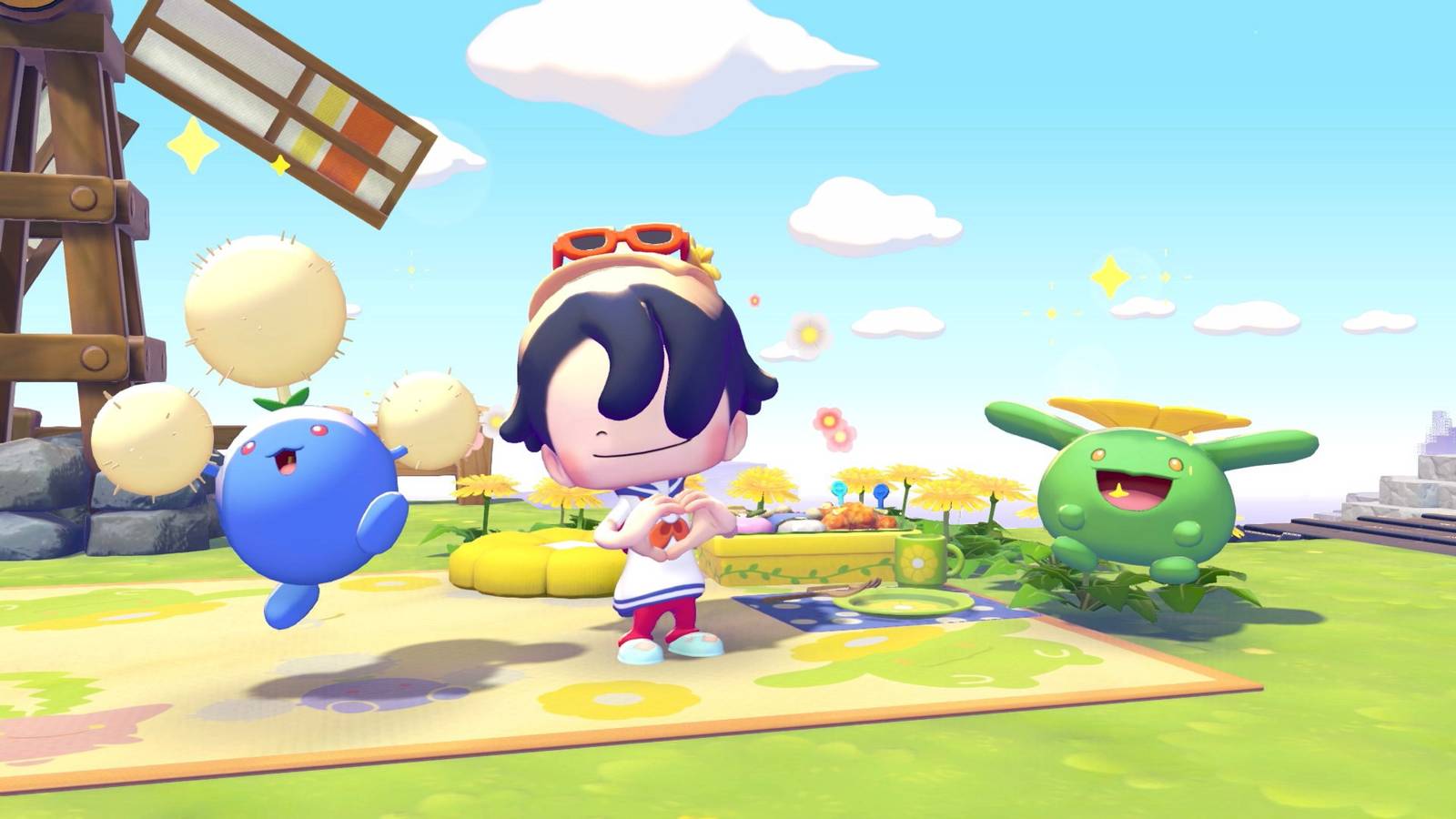
Beyond the seasonal events, the core gameplay loop of Pokémon Pokopia remains deep and multifaceted. For those just beginning their journey, the initial phase of island building can be daunting. The sheer variety of creatures and environmental requirements means that players must be strategic about where they place habitats and how they interact with their surroundings. To assist with this, comprehensive resources such as the Pokédex and the Habitat Dex serve as vital tools. These databases categorize creatures by their spawn conditions, offering clarity on what is required to attract specific Pokémon to a player’s island. By understanding the intersection between habitat construction and creature behavior, players can move from managing a simple plot of land to cultivating a thriving, populated ecosystem.
Success in Pokémon Pokopia often hinges on a player’s ability to balance their daily chores with the larger, narrative-driven requests that move the game’s story forward. Key missions—such as "Yawn up a Storm!", "Brighten Things Up!", "Time to Party!", and the ambitious "Build the Huge Building!"—serve as milestones that test a player’s mastery of the game’s mechanics. These quests often require specific items, environmental conditions, or resource gathering that might not be immediately obvious to a newcomer. Providing the necessary components for these requests is not only satisfying but is often the primary driver of progression, unlocking new areas of the island and opening up further customization options.
For players who prefer a collaborative approach, the game also offers multiplayer functionality. However, it is worth noting that there are specific parameters regarding how players can interact with each other’s islands. Whether utilizing the standard multiplayer features or the GameShare version, players should be aware of the inherent limitations placed on these modes. Understanding these boundaries early on can help manage expectations and ensure that social play remains a smooth, enjoyable extension of the single-player experience.
As the community continues to explore the depths of Pokémon Pokopia, it is clear that the game is designed to reward curiosity and careful planning. Whether you are adjusting your system clock to catch a missed holiday event, meticulously building the perfect habitat for a rare visitor, or working through the central narrative quests, the game provides a wealth of content to keep players engaged. As more events are added to the rotation, the landscape of the island will only continue to grow, offering new opportunities for customization and discovery for veterans and newcomers alike. For those feeling overwhelmed by the breadth of options, focusing on one task at a time—be it a seasonal event or a foundational story quest—is often the best way to ensure a rewarding experience as you build your dream island.