










Apple has once again captured the attention of the consumer technology world with a fresh wave of product announcements, highlighted by an ambitious push into the smart home ecosystem. In her latest breakdown of the tech giant’s recent event, CNET Editor-at-Large Bridget Carey explores the company’s newest hardware offerings, examining whether Apple’s latest vision for the connected home can succeed where previous efforts have faced friction. While the company’s polished marketing and promotional videos—particularly the newly unveiled HomeView video—managed to resonate strongly during the presentation, tech analysts agree that the true test will ultimately come when everyday families and children begin interacting with these devices in real-world household environments.
The centerpiece of Apple’s recent smart home push is HomeView, a device and interface concept designed to break down long-standing consumer barriers to adopting a fully integrated smart home. In her hands-on coverage, Carey noted that Apple made a concerted and largely successful effort to sell consumers on the idea of a seamless smart home experience. By addressing some of the most common friction points that prevent users from expanding their connected ecosystems, the company appears poised to capture a broader audience beyond dedicated tech enthusiasts.
A Closer Look at the Apple HomeView Experience

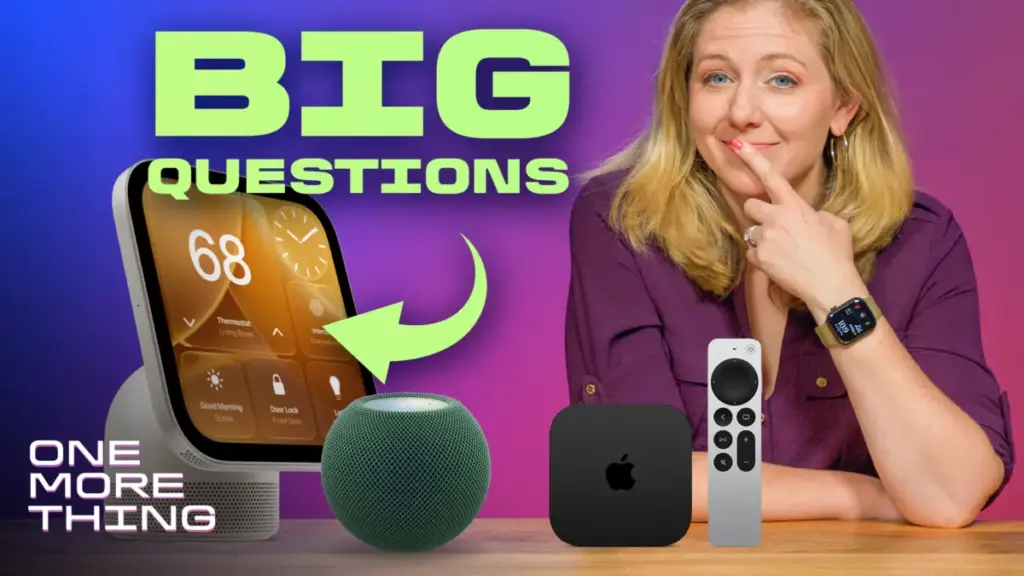
As Carey details in her comprehensive video breakdown, the HomeView ecosystem encompasses a variety of form factors and use cases tailored for modern living spaces. The discussion begins with initial reactions to the sleek HomeView commercial, setting the stage for a deeper analysis of how a countertop smart home hub will realistically fit into everyday domestic life. For households considering alternative placement options, Apple has also accounted for wall-mounted setups, ensuring that the device can integrate smoothly into kitchens, hallways, or living rooms regardless of interior design preferences.
One of the standout design and functional elements discussed is the integration of a FaceTime camera directly into the HomeView hardware, opening up new avenues for household communication and video calling from communal spaces. Furthermore, the interface has been built with multi-user households in mind, allowing the system to adapt to different family members dynamically. This includes personalized experiences and recognition features that ensure each person in the house can access their preferred settings, schedules, and smart home controls without interference.
Entertainment and ambient features also play a significant role in the HomeView software ecosystem. Carey points out the delightful inclusion of classic animated characters like Snoopy integrated into the HomeView interface, adding a touch of personality and charm to the digital display. Powered by a dedicated set of applications and a streamlined operating system, HomeView is designed to serve as the central nervous system for a wide array of connected smart home devices, bridging lighting, security, and entertainment into a cohesive daily routine.

Upgrades to the Apple TV 4K and Siri Remote
Beyond the introduction of HomeView, Apple refreshed its popular media streaming lineup with the announcement of the fourth-generation Apple TV 4K box. For consumers wondering whether it is time to replace their existing entertainment hardware, the event provided detailed insights into the pricing, internal hardware updates, and overall value proposition of the new streaming device.
The fourth-generation Apple TV 4K introduces several notable refinements, starting with an updated Apple TV Siri Remote designed for more intuitive navigation and voice control. Under the hood, hardware updates ensure faster processing speeds and smoother rendering for high-framerate video and gaming content. For audiophiles and home theater enthusiasts, one of the most compelling highlights of the presentation was the capability to achieve immersive surround sound by pairing the new Apple TV 4K with up to four HomePods, creating a robust multi-speaker audio environment without the clutter of traditional multi-channel receiver setups.
Expanding the Audio Lineup with the HomePod Mini 2
Audio hardware updates extended beyond home theater configurations with the official unveiling of the new HomePod Mini 2. While retaining the compact footprint that made its predecessor a popular choice for bedside tables and desks, the second-generation mini introduces critical technological advancements. Most notably, the integration of advanced Siri artificial intelligence capabilities promises to make the smaller smart speaker far more conversational, context-aware, and responsive to complex multi-step commands. This upgrade addresses previous limitations of smaller smart speakers, bringing the full weight of Apple’s evolving AI initiatives directly into more rooms of the house.
Looking Ahead at Apple’s Autumn Roadmap
As the consumer technology landscape looks toward the remainder of the autumn season, attention is already shifting to what Apple has planned next. Following the conclusion of the smart home and entertainment hardware showcases, anticipation is building for additional product releases scheduled for October. Among the most anticipated upcoming arrivals is the iPhone Duo, which is slated to hit retail store shelves on October 23, rounding out a busy and transformative product cycle for the company as it heads into the year’s busiest shopping period.