Apple’s recent product showcase has given consumer technology enthusiasts plenty to digest, highlighted by a major push into the smart home ecosystem. Leading the conversation is the company’s ambitious new device, HomeView, which successfully captured the attention of reviewers during initial demonstrations, though industry analysts note that the true test of its utility will come once it enters real-world domestic environments with families and children interacting with it daily.
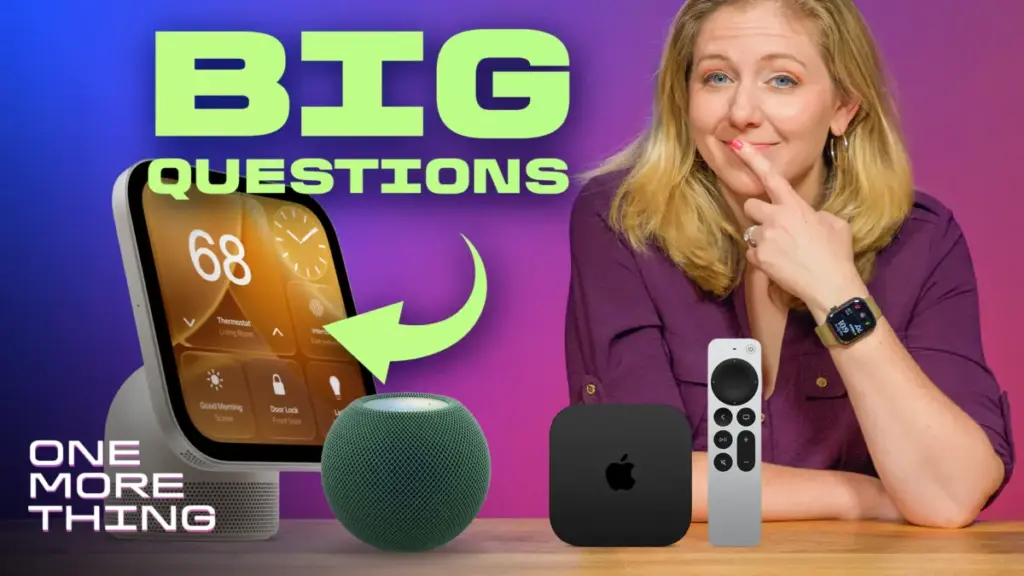
In a recent comprehensive breakdown of the major announcements, CNET Editor at Large Bridget Carey analyzed the core hardware and software updates revealed during the event. Beyond the high-profile introduction of HomeView, the event featured important refreshes to foundational parts of Apple’s living room and audio lineup, including updates to the HomePod Mini and the next-generation Apple TV 4K streaming box.
The initial reactions to Apple’s HomeView commercial and the subsequent hands-on experiences point toward a concerted effort by the tech giant to remove traditional friction points from smart home adoption. According to early coverage, Apple has tried hard to position HomeView as a seamless smart home experience, with initial impressions suggesting they succeeded in making a compelling pitch. Observers have noted that the reveal successfully tackles some of the biggest historical barriers consumers face when attempting to build a smarter home, streamlining what has traditionally been a fragmented and complicated ecosystem of apps, automation protocols, and devices.


A closer look at the HomeView hardware reveals a versatile device designed to integrate into various domestic layouts. Demonstrations covered both countertop configurations—raising questions about how a dedicated display will naturally fit into existing kitchen or living room spaces—and wall-mounted options for a more permanent installation. The device features a built-in FaceTime camera, opening up new avenues for household communication, alongside robust multi-user support designed to recognize different members of a household and adapt its interface accordingly. Software functionality includes dedicated HomeView apps running on a specialized operating system, complete with whimsical touches like the integration of Snoopy animations, a familiar aesthetic choice for Apple device users. Living with the device day-to-day will ultimately determine how well it manages interactions with a wide array of third-party smart home accessories and appliances.
Alongside the smart home display, Apple dedicated significant time to updating its entertainment hardware. The presentation detailed the arrival of the fourth-generation Apple TV 4K streaming box, outlining its hardware updates, pricing structure, and the considerations users should weigh when deciding whether to upgrade from older generations. The refreshed streaming box also comes paired with a new Apple TV Siri Remote, refining the user navigation experience. Among the more intriguing audio features discussed was the capability to achieve immersive surround sound by pairing the Apple TV 4K setup with up to four HomePods, pushing the boundaries of home theater audio configurations using existing ecosystem hardware.
Audio hardware updates continued with the announcement of the new HomePod Mini 2. While the physical speaker retains the compact footprint of its predecessor, the broader integration of Siri AI capabilities coming to the HomePod lineup promises to make these smart speakers more conversational, responsive, and capable of handling complex domestic queries and commands.
The cadence of Apple’s autumn release schedule shows no signs of slowing down following the event. As consumers digest the implications of the new smart home hardware and entertainment upgrades, attention is already turning toward what is next for the company in October. Specifically, the upcoming launch of the iPhone Duo, which is scheduled to hit store shelves on October 23, will mark the next major hardware milestone for consumers looking to upgrade their mobile devices ahead of the holiday shopping season.