








In the contemporary landscape of consumer electronics, the landscape of mobile connectivity has undergone a radical transformation. Today, USB-C stands as the undisputed champion of the smartphone world—a universal, reversible standard capable of handling high-speed data transfers, rapid power delivery, and high-fidelity audio output. Its ascent to dominance was not merely a technological choice but a regulatory necessity, bolstered by sweeping mandates from the European Union that effectively ended the era of fragmented charging standards. However, for those who remember the early days of the mobile revolution, the current state of uniformity stands in stark contrast to the wild, innovative, and often frustrating "Wild West" of mobile connectors that existed just two decades ago.
Before the industry settled on the compact elegance of USB-C, the smartphone market was a patchwork of proprietary designs. Every major manufacturer—and often every new product line—seemed to believe that a custom connector was the ultimate differentiator, a way to keep users locked into their specific ecosystem of accessories, car kits, and data cables. While these designs were frequently bulky, fragile, and a significant source of global electronic waste, they remain a fascinating chapter in the history of mobile engineering. They represent a time when manufacturers were still experimenting with what was physically possible, often cramming audio, data, and power into single, bizarrely shaped ports.
The absence of a universal standard meant that a simple drawer full of cables became a hallmark of the mid-2000s tech enthusiast. If you moved from a Motorola device to a Nokia, or from a Sony Ericsson to an Apple, your previous collection of chargers and peripherals became instantly obsolete. This forced consumers into a cycle of repetitive purchasing, where the cost of entry for a new phone often included an entirely new suite of proprietary accessories. Looking back at these connectors provides more than just a sense of nostalgia; it offers a clearer understanding of the immense technical and logistical hurdles the industry had to overcome to reach the seamless, interoperable state we enjoy today.
Motorola’s CE Bus: The Clamshell Era’s Heavyweight
The turn of the millennium marked the beginning of a frantic period of mobile innovation, and Motorola was at the forefront of this shift. In 2000, the company introduced the 17-pin CE Bus connector, a port that was, by any modern measure, gargantuan. Unlike the sleek, streamlined ports of today, the CE Bus was a utilitarian block that dominated the base of devices like the legendary Motorola V60. This phone, a titan of the clamshell era, became an icon of mobile design, and the CE Bus was its nervous system, managing power, data, and audio through a single, rather aggressive interface.
The CE Bus was not a reversible connector, and it lacked the plug-and-play ease of later standards. Instead, it relied on physical hooks to lock the cable into place, ensuring a stable connection but adding bulk to the handset’s chassis. It was a jack-of-all-trades that served as the primary interface for the Motorola ROKR E1, the first mobile phone to integrate Apple’s iTunes software. While the ROKR is now remembered as a historical footnote in the convergence of music and mobile technology, it was a major moment for the CE Bus. Ultimately, the industry’s drive toward slimmer designs—most notably exemplified by the Motorola Razr V3—rendered the CE Bus obsolete. The move toward Mini-USB allowed Motorola to reduce both the physical footprint of their devices and the manufacturing costs associated with maintaining a complex, proprietary port system.
The Nokia Pop-Port and the Birth of Accessory Ecosystems
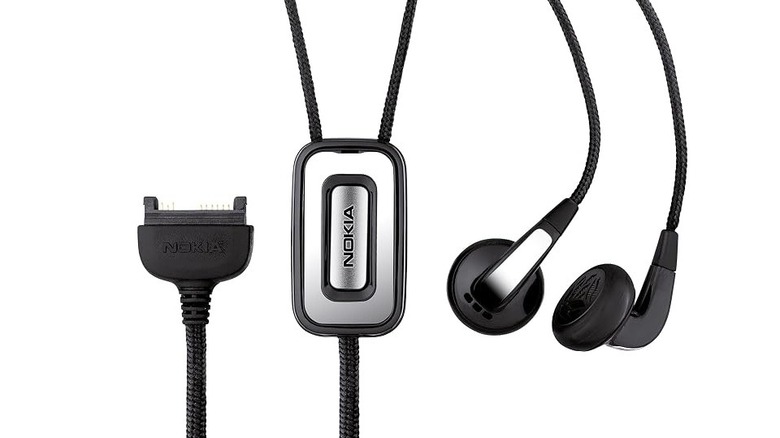
If Motorola focused on robust, locking connectors, Nokia took a different approach with its Pop-Port, introduced in 2002. This 14-pin interface was designed with a heavy emphasis on expandability, catering to an era where the mobile phone was rapidly evolving from a simple communication device into a multimedia hub. Owners of the Nokia 7210 and its contemporaries will likely remember the Pop-Port as the gateway to a wide array of add-ons, ranging from external cameras and car kits to headsets.

However, the Pop-Port suffered from a significant reliability issue: it was not designed for the long haul. The connector relied on plastic clips to hold peripherals in place, and these clips were notoriously prone to wearing down over time. For many users, this meant that listening to music on the go became a frustrating experience, as even minor movements could cause the headset to disconnect. Furthermore, while the Pop-Port was technically capable of handling charging, Nokia devices of that era often utilized a separate 2.0 mm "thin-tip" barrel connector for power. This dual-port strategy was indicative of the era’s lack of integration. As Mini-USB began to gain traction across the industry, the limitations of the Pop-Port became impossible to ignore, and the standard gradually faded into obscurity.
The Apple 30-Pin: A Legacy of Control and Utility
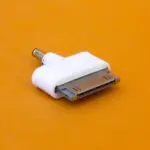
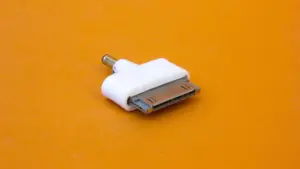
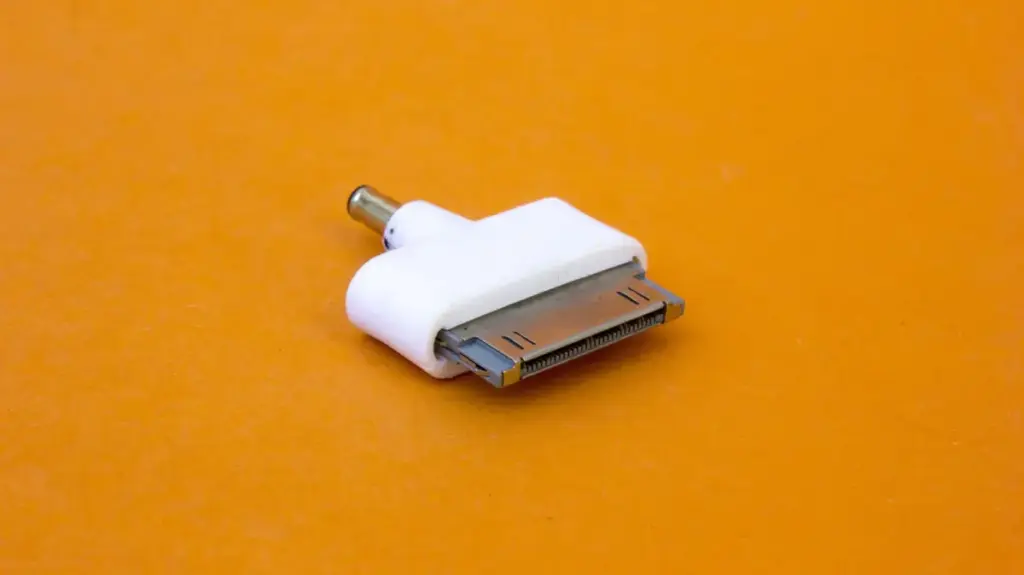
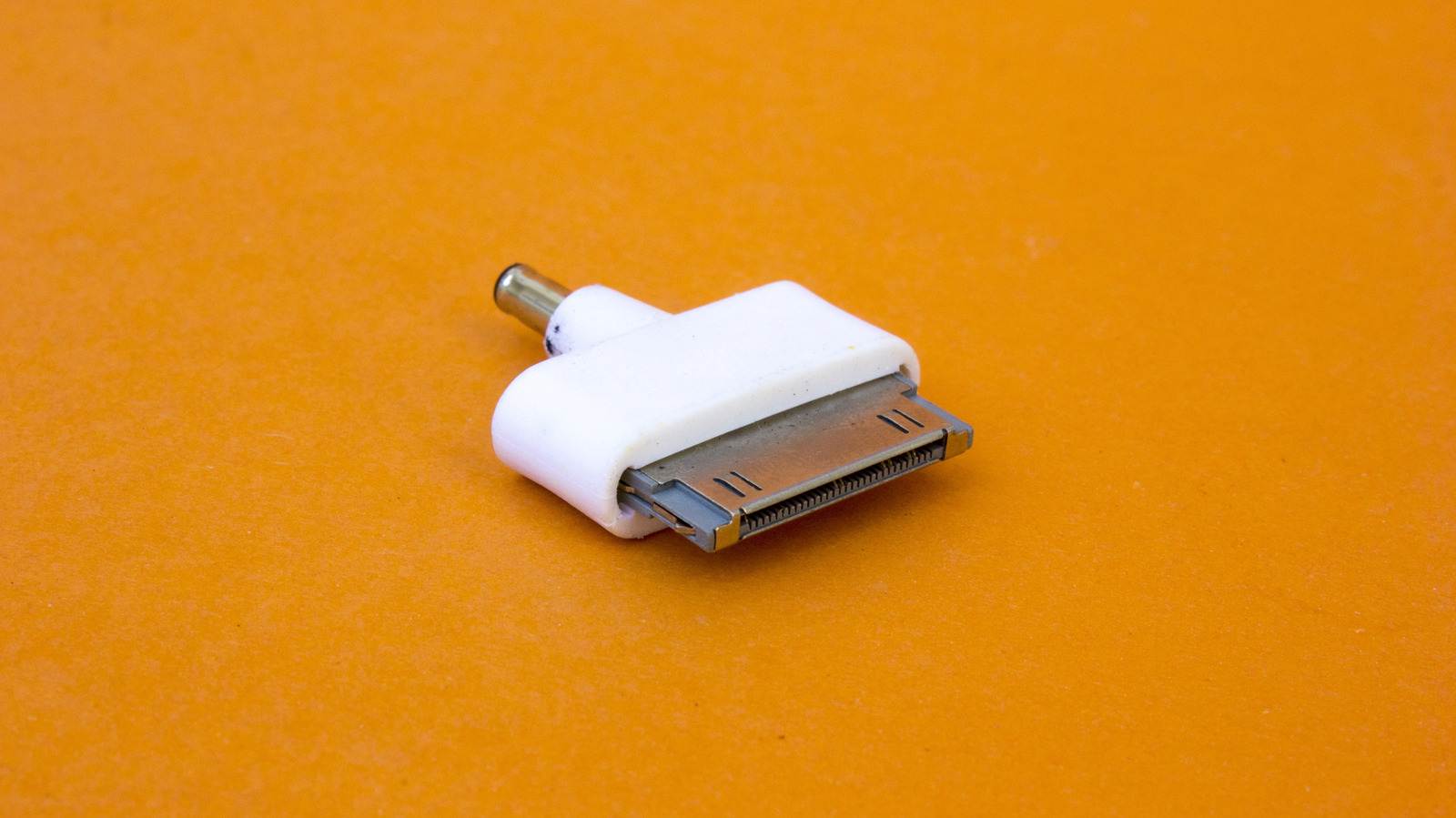
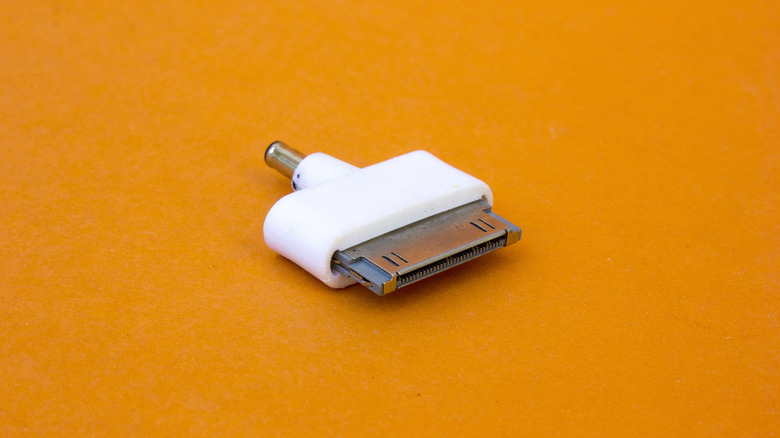
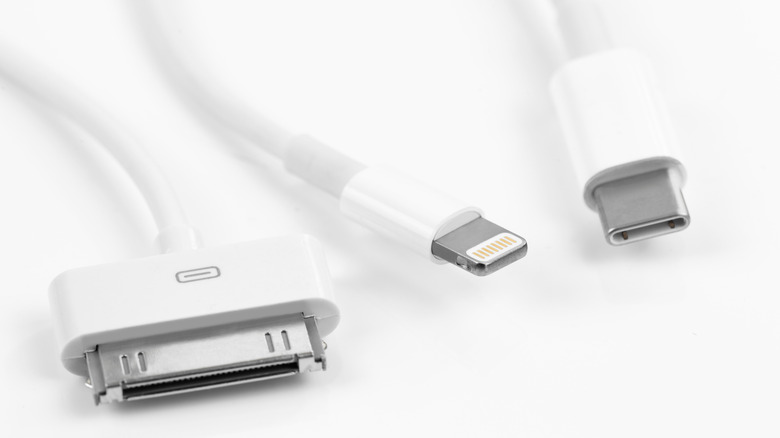
Perhaps no proprietary connector is as culturally significant—or as polarizing—as Apple’s 30-pin dock connector. First appearing in 2003 with the third-generation iPod, this wide, flat port became the bedrock of the Apple ecosystem for nearly a decade. It supported the original iPhone and the early iterations of the iPad, and it gave rise to a massive industry of third-party peripherals, from high-end Bose SoundDock speaker systems to clock radios that lined the nightstands of millions.
The 30-pin connector was a feat of engineering for its time, featuring a high density of pins that allowed for support of FireWire, Apple’s high-speed legacy charging standard, in its earlier years. However, as mobile devices grew thinner, the 30-pin connector became an anchor. In 2012, Apple replaced it with the 8-pin Lightning connector, a smaller and reversible standard. The transition was controversial, as it effectively orphaned the massive ecosystem of accessories that had been built around the 30-pin design. Beyond its utility, the connector served as a tool for Apple to maintain a closed ecosystem, as the port included proprietary chips designed to regulate voltage and authenticate accessories, allowing Apple to exert control over the peripheral market through licensing fees. It was not until 2018, with the release of the iPad Pro, that Apple began its slow pivot to USB-C, culminating in the iPhone 15 lineup finally adopting the industry-standard port in 2023.
Sony Ericsson’s FastPort: A Lesson in Vulnerability
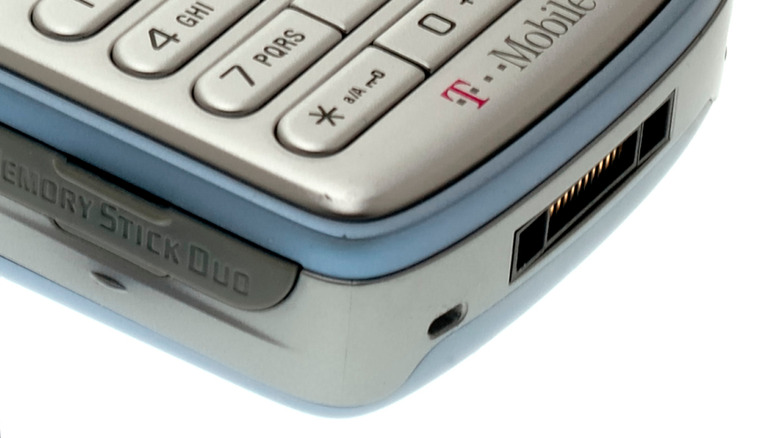
The Sony Ericsson FastPort, which debuted in 2005 on the iconic K750i, was a bold attempt at creating a singular, versatile interface. Like its contemporaries, the FastPort was tasked with managing everything from charging and data syncing to audio output. Its design was distinct, featuring double-sided plastic hooks that snapped into corresponding holes on the phone, a mechanism that provided a tactile sense of security.
However, the FastPort was also a lesson in the dangers of over-engineering. The connection was physically fragile; if one of those small plastic hooks snapped, the cable would lose its ability to lock into the device, rendering the port effectively useless for a stable connection. It was a common point of failure for many users, turning a simple charging session into a delicate balancing act. Despite these flaws, the FastPort represented a clear step toward the type of multi-purpose connectivity that defines modern ports. By 2010, Sony Ericsson had moved toward a more standard combination of Micro-USB for data and power, paired with a standard 3.5 mm headphone jack for audio, acknowledging that a singular, fragile proprietary port was no longer the path forward.
HTC’s ExtUSB: The Bridge to Modernity
The HTC Dream, famously recognized as the first commercially available Android device, featured a unique solution to the connectivity dilemma: the 11-pin ExtUSB, or Extended USB, port. Distinguished by a characteristic slanted corner, the ExtUSB was a hybrid design that integrated a standard 5-pin Mini-USB port with additional proprietary pins. This was a clever bit of engineering; it allowed the phone to maintain compatibility with standard Mini-USB chargers while providing the extra bandwidth and pins needed for audio output and advanced data features.
The ExtUSB was a mainstay for early HTC Android handsets and Windows Mobile devices, but it also highlighted the industry’s struggle with audio integration. For a period, phones utilizing this port omitted the 3.5 mm headphone jack entirely, forcing users to carry specific ExtUSB-to-3.5 mm adapters. This foreshadowed the design choices that would later cause massive industry ripples when other manufacturers followed suit. The transition from ExtUSB to the more ubiquitous Micro-USB marked the final stage of the proprietary port era, as manufacturers finally yielded to the benefits of a standard that didn’t require custom hardware just to plug in a pair of headphones or transfer a file.
Looking back at these connectors, it is clear that they were products of a time when the "mobile experience" was still being defined. The diversity of these ports reflected a period of intense experimentation, where every manufacturer was attempting to solve the same problems in isolation. While the inconvenience of carrying multiple cables and proprietary adapters was a burden for the early mobile user, these devices paved the way for the current age of universal standards. The transition to USB-C was not just about faster speeds or better power; it was the result of the industry finally learning that, in a globalized market, true innovation requires connectivity that doesn’t end at the edge of the manufacturer’s own ecosystem.