







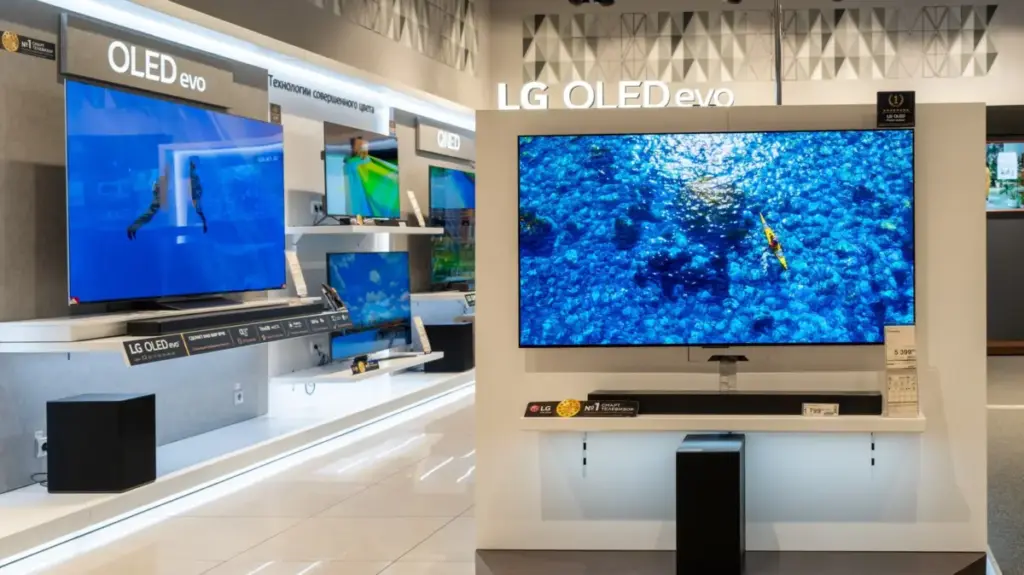
In the high-stakes world of premium home entertainment, the battle for the living room has largely distilled into a singular, ongoing rivalry: Samsung versus LG. While both industry giants have spent the better part of the last decade pushing the boundaries of what a television screen can achieve, discerning which brand holds the crown is rarely a straightforward endeavor. Choosing between them requires a deep dive into the nuanced technical differences, software ecosystems, and the specific environmental factors of the home where the display will ultimately reside.
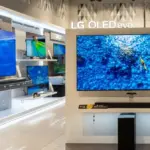
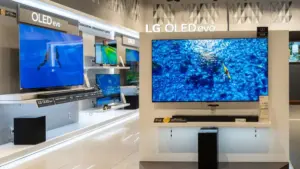
The history of this competition is as storied as the technology itself. LG’s journey into the OLED market began in earnest back in 2010, when it introduced the modest 15-inch 15EL9500. It was a humble start for a technology that many at the time considered a mere laboratory curiosity. However, by 2012, LG had successfully scaled the manufacturing process to deliver a 55-inch television, effectively planting its flag in what would become the industry’s most coveted segment. Over the ensuing years, LG has methodically solidified its foothold, consistently refining its OLED panels. The brand’s signature aesthetic—characterized by a particular crispness and color pop—has become a hallmark of the LG experience, often proving that a well-tuned display can outperform competitors even when the raw specifications appear less intimidating on paper.
Conversely, Samsung’s trajectory has been more volatile but arguably more aggressive. After a hiatus from the OLED market, the company staged a dramatic return in 2022, fueled by massive investments in new display-panel innovations. Samsung’s primary goal was to carve out a distinct niche that prioritized technical supremacy. The company’s QD-OLED technology has since emerged as the pinnacle of sharpness in consumer-grade hardware. In many laboratory tests, these panels demonstrate superior color saturation compared to LG’s traditional offerings. Yet, despite Samsung’s hardware-first approach, the market remains split. Recent innovations from LG have prevented the industry from becoming a one-horse race, ensuring that the decision remains complex for consumers.

The landscape is further complicated by transparency issues that plague the industry. Samsung has faced persistent criticism for its reluctance to provide clear, detailed information regarding the specific panel technologies integrated into its various television lines, often leaving consumers and reviewers to guess at the underlying hardware. LG has not been immune to similar scrutiny; the company’s reputation took a significant hit during the launch of the G6 series, which faced widespread quality control concerns. These instances serve as a reminder that the "best" television is a composite of more than just a panel type. Factors such as manufacturing consistency, long-term software support, and the specific aesthetic philosophy of the manufacturer are just as vital as the contrast ratio or peak brightness.
Understanding the Evolution of Panel Technologies
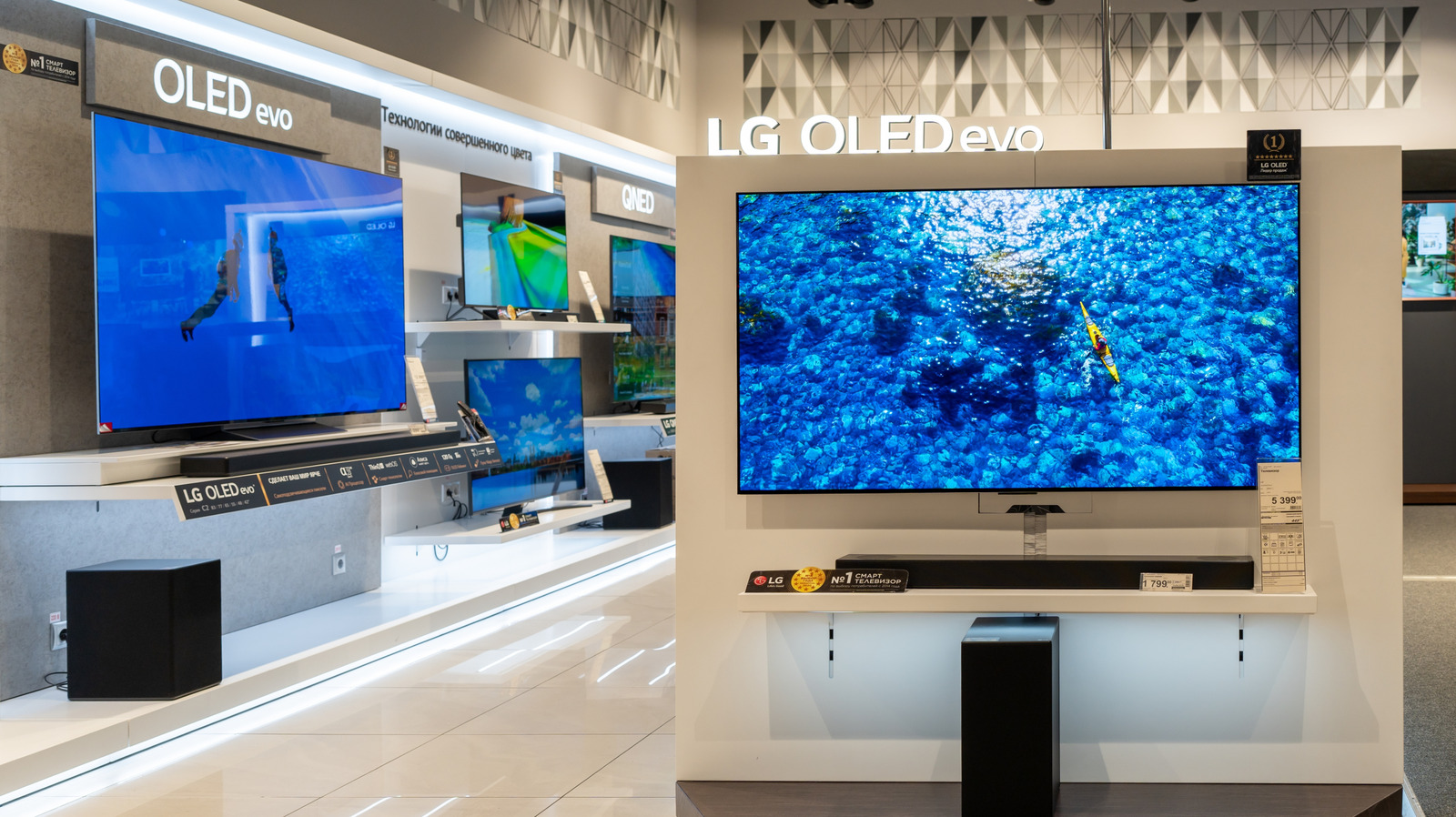
To truly navigate the current market, one must understand the three distinct display architectures currently fighting for dominance: WOLED, QD-OLED, and RGB Tandem OLED.
WOLED remains the most ubiquitous technology in the current ecosystem, serving as the foundation for much of LG’s success. Pioneered by LG, these panels function by using a white light source that passes through a filter stack consisting of red, green, blue, and a dedicated white subpixel. The white subpixel serves a crucial purpose: it boosts the overall luminance of the image after the light passes through the color filters. While this allows for impressive peak brightness, it often comes at the expense of text clarity, as the subpixel structure can struggle with fine detail. Despite this, WOLED remains the go-to choice for viewers who frequently use their televisions in high ambient-light environments, where brightness is the primary defense against washing out the image.
Samsung’s 2022 entry into the market with QD-OLED represented a fundamental shift in how OLEDs create color. Instead of using filters, which inherently lose some light in the conversion process, QD-OLED uses a blue light source that interacts with red and green quantum dots. Because these dots convert color rather than filtering it, the panels achieve a significantly wider color gamut and higher energy efficiency. In theory, this leads to greater longevity and a superior viewing experience for high-dynamic-range (HDR) content. However, the reliance on quantum dot technology creates a distinct weakness: the panels are susceptible to magenta glare when exposed to strong external light sources, making them less ideal for bright, sun-drenched living rooms.
The third contender, RGB Tandem OLED, addresses the brightness limitations inherent in earlier designs by utilizing multiple emissive layers and a striped subpixel layout. This architecture allows these displays to reach brightness levels exceeding 1,000 nits per pixel. While this makes for a stunningly bright image, the manufacturing process is significantly more expensive, resulting in a higher price tag for the consumer. Furthermore, because these panels typically lack the quantum dot integration found in Samsung’s flagship models, they often trail slightly in terms of color accuracy.
Viewing Experiences and the Impact of Environment
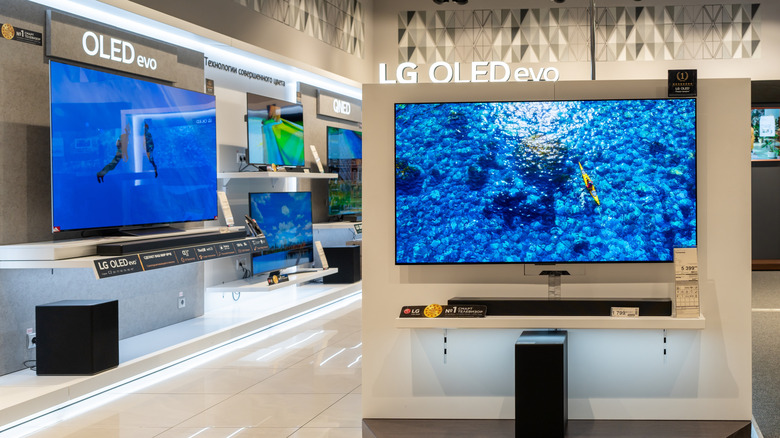
Ultimately, the choice of a television is dictated by the environment in which it will live. On paper, Samsung’s QD-OLED panels often appear to be the clear victor for enthusiasts seeking the most vibrant color reproduction and the widest color gamut. Yet, for a consumer with a living room featuring large windows or high levels of ambient light, the technical superiority of a QD-OLED can be negated by glare and contrast degradation. In these scenarios, the anti-reflective treatments found on LG’s displays, while not perfect, can offer a more consistent experience.
The software experience provides another layer of differentiation. Samsung continues to prioritize its own ecosystem, but it notably omits support for Dolby Vision, opting instead for HDR10 as its standard. For cinephiles who prioritize the industry-standard Dolby Vision format, this is often a dealbreaker. Furthermore, the operating systems offer different value propositions: LG’s WebOS remains a staple for its user-friendly interface and typically receives five years of software updates. Samsung’s Tizen OS, while occasionally criticized for its complexity, has recently moved toward a seven-year update window, signaling a commitment to longer-term software viability.
Finally, brand trust and corporate history play an undeniable role in the purchasing process. Samsung’s tendency to obfuscate technical specifications has created a lingering skepticism among power users. LG, while generally perceived as having a more consistent hardware record, has faced significant backlash regarding privacy practices. A notable controversy arose when it was revealed that certain LG smart TVs were capable of recording user conversations and transmitting that data for advertising purposes. While the company eventually issued a public statement and adjusted its policies in response to the outcry, the incident left a lasting mark on consumer perception.
As the industry moves forward, the divide between Samsung and LG serves as a testament to the maturation of OLED technology. The "best" TV is no longer a matter of checking a box for the most advanced panel; it is a calculation of where the screen will be placed, what content will be viewed, and which company’s software and privacy trade-offs a consumer is willing to accept. Whether one prioritizes the vibrant, color-accurate potential of Samsung’s QD-OLED or the reliable, bright-room performance of LG’s WOLED, the modern market offers a variety of paths to a high-quality visual experience, provided the buyer is willing to look past the marketing spec sheets.