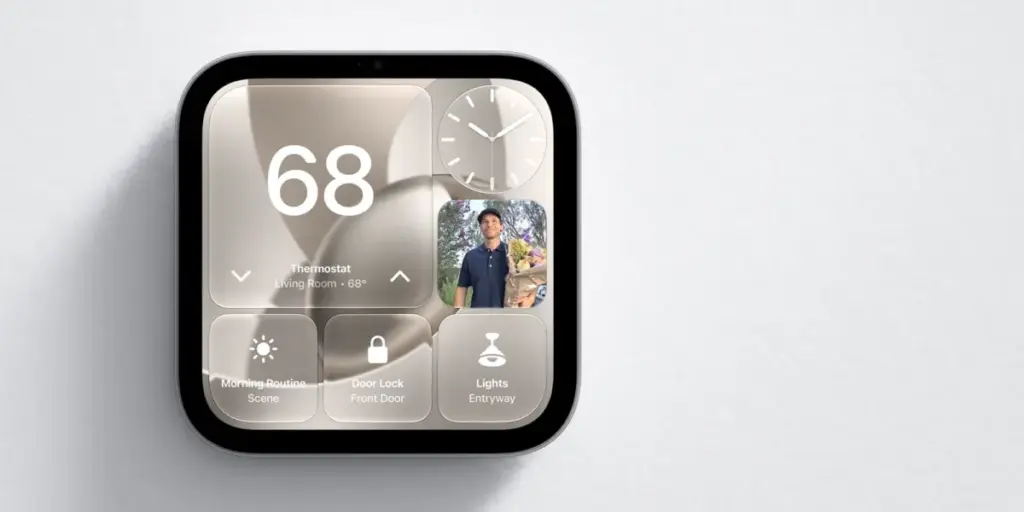
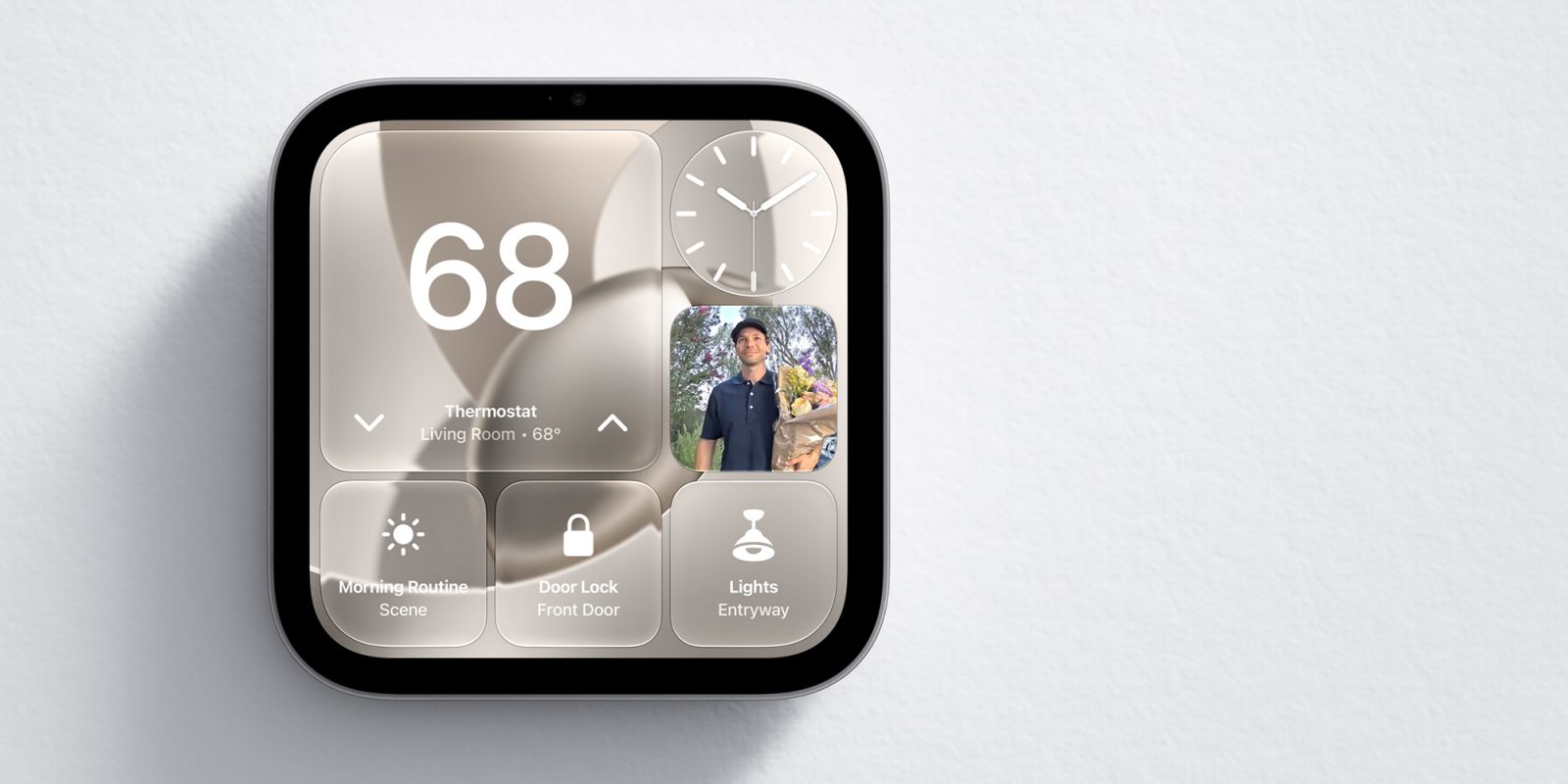
Apple has officially confirmed that the newly released wall-mounted version of the HomeView does not include a power adapter in the box, a move that has prompted the company to issue a comprehensive support document to guide consumers through the necessary hardware configurations. As users begin to navigate the setup process for this latest addition to the Apple smart home ecosystem, the absence of key accessories—specifically the power adapter and the mounting hardware—has emerged as a significant point of consideration for potential buyers.
The confirmation regarding the missing power adapter comes shortly after the launch of the device, which is designed to integrate seamlessly into a home environment. Unlike the standard HomeView model, which ships as a more conventional, self-contained unit, the wall-mounted variant is positioned as a specialized installation piece. This modular approach, while providing flexibility for interior design and placement, shifts the responsibility of sourcing compatible power solutions and structural mounts onto the consumer.
Understanding the New Power Requirements
To assist customers in avoiding compatibility issues or performance bottlenecks, Apple has published a detailed support article that explicitly outlines the technical specifications required to power the HomeView (Wall Mounted) device. Because the device is intended for permanent or semi-permanent installation on vertical surfaces, the power requirements are specific to ensure consistent operation and the prevention of system errors.

According to the official documentation, the wall-mounted HomeView requires a USB-C power adapter that is rated for at least 20W. Furthermore, the adapter must be capable of supporting a power delivery profile of 9V at 2.22A or higher. These specifications are critical; Apple warns that if the power source fails to meet these exact thresholds, the device may fail to function correctly or, at the very least, trigger a "Not Enough Power" warning on the display. Such a notification would effectively render the device unusable until a sufficient power delivery source is provided, highlighting the importance of verifying equipment specifications before installation.
The distinction between the standard model and the wall-mounted version is stark. For the standard HomeView, which is designed for tabletop or shelf use, the device ships with an adapter that meets more robust requirements—specifically, a 30W adapter supporting 15V at 2A or higher. By comparison, the wall-mounted unit’s 20W requirement reflects its different internal power management needs, yet the exclusion of this component from the retail packaging remains a notable departure from the "all-in-one" expectations many consumers hold when purchasing Apple hardware.
Mounting and Hardwiring Options
Beyond the power adapter, the wall-mounted HomeView presents a unique logistical challenge regarding its physical installation. Apple has confirmed that the device does not ship with a mount included in the box. Instead, the company is positioning the mounting system as a separate purchase, with at least two different options currently available at a starting price of $59. Furthermore, there is an anticipation of a third mounting solution arriving in early 2027, suggesting that Apple views the installation of the HomeView as a customizable experience rather than a one-size-fits-all product.
For those who prefer a cleaner aesthetic, the wall-mounted HomeView offers a degree of versatility that standard smart home displays often lack. Depending on the specific third-party mount chosen, users may have the option to connect the device directly to a home’s electrical wiring. This "hardwired" approach removes the need for a visible USB-C cable running down the wall to an outlet, providing a professional, integrated look that is highly desirable for modern smart home setups. However, this level of installation requires a higher degree of technical knowledge or the assistance of a professional installer, adding another layer of complexity—and potential cost—to the overall project.
Navigating the Ecosystem of Accessories
The release of the HomeView and its wall-mounted counterpart has sparked a broader conversation about the shifting retail strategy within the tech industry, particularly regarding the reduction of included accessories. While Apple has previously moved toward removing power adapters from its smartphone packaging citing environmental sustainability, the application of this policy to a stationary home device that requires constant, specific power delivery has drawn mixed reactions from the user base.

For consumers, the primary takeaway from Apple’s new support documentation is the necessity of preparation. Whether opting for a standard USB-C adapter solution or a more complex hardwired installation, users must ensure that their chosen components align with the technical profiles verified by Apple. The company has proactively provided links to compatible power adapters on its online store to help streamline this process, and it has also included a troubleshooting section within the support article specifically dedicated to resolving the "Not Enough Power" error.
By separating the mounting hardware and the power supply from the base unit, Apple is effectively asking consumers to curate their own installation packages. While this allows for greater customization—such as choosing a mount that best fits a specific room’s aesthetic or utilizing existing electrical infrastructure for a cleaner look—it also requires users to be far more diligent during the purchasing phase. Failing to secure the correct 20W, 9V/2.22A adapter at the time of purchase will inevitably result in a frustrating unboxing experience, as the device will be incapable of booting or operating reliably without the proper power threshold.
As the smart home market continues to evolve, the HomeView stands as a premium entry, and its modular requirements reflect a move toward deeper integration into the home’s infrastructure. For those looking to invest in the wall-mounted experience, the guidance provided by Apple serves as the definitive reference point for ensuring that the device operates as intended. The company’s emphasis on technical specifications underscores the importance of adherence to these standards, as the HomeView’s software and hardware components are calibrated to function within these specific power parameters.
As users continue to adopt the HomeView, the focus remains on balancing the convenience of the device’s features with the technical demands of its installation. The transition toward a "bring your own power" model for wall-mounted smart devices may be the new standard, forcing consumers to think of their smart home hardware not just as gadgets, but as integrated components of their living space that require careful planning, appropriate peripherals, and, in many cases, a bit of additional investment to achieve the desired result. With the support article now live and the requirements clearly defined, the path forward for early adopters is clear, provided they pay close attention to the specifications before finalizing their setups.