










Apple has officially released iOS 27.1, but if you find yourself frantically refreshing the Software Update screen on your current iPhone, you are likely to be met with silence. In an unexpected strategic departure from its typical software deployment patterns, Apple has restricted the release of iOS 27.1 exclusively to its latest flagship device, the iPhone Duo. For the vast majority of the global iPhone user base, the update path will bypass this version entirely, moving directly from the current stable build to the upcoming iOS 27.2.
This development marks a significant shift in how the company manages its operating system fragmentation during a product launch cycle. While Apple has historically utilized point releases to address hardware-specific bugs or introduce niche features for new devices, the decision to skip an entire version number for the general public while pushing it to a new model suggests a more complex engineering and marketing strategy than seen in years past.
iPhone Duo Secures Exclusive Access to iOS 27.1
For those who recently acquired the iPhone Duo, the arrival of iOS 27.1 serves as the first major post-launch optimization for the device. However, for users of the iPhone 26 series and older, the "Software Update" section within the Settings app will simply continue to display the current version, or perhaps a minor security patch like iOS 27.0.1, as the latest available firmware.

This bifurcation of the iOS ecosystem is unconventional. Typically, Apple aims to keep as many users on the same version number as possible to streamline support, developer compatibility, and security patching. By opting to isolate the iPhone Duo on a unique branch, Apple has effectively created a "walled garden" within its own software roadmap. This separation allows the company to deploy highly specific code tailored to the unique hardware architecture of the Duo—which features a distinct dual-display configuration—without needing to reconcile those changes with the standardized software running on the millions of other iPhones currently in circulation.
The Path to iOS 27.2 for the Rest of the Market
While the iPhone Duo receives its specialized update, the rest of the Apple community is being funneled toward the broader release of iOS 27.2. This upcoming version has been the subject of intensive public beta testing for the past month, signaling that Apple is prioritizing a stable, feature-rich experience for its legacy and current-gen devices.
iOS 27.2 is scheduled to reach the general public next week, and it promises to bring a variety of improvements that have been long-awaited by the wider user base. By moving the general population directly to 27.2, Apple is essentially "skipping" the need for a 27.1 release on older hardware. This strategy likely serves to consolidate development resources. Rather than maintaining two separate branches of code—one for the iPhone Duo and one for the rest of the fleet—Apple is focusing its engineering might on ensuring the 27.2 build is polished and ready for the massive, heterogeneous install base that constitutes the standard iPhone market.
The decision to skip 27.1 for the general public is not merely a logistical choice; it is also a narrative one. By aligning the wider release with a higher version number, Apple avoids the confusion of having users on older models wonder why they missed out on a version that may have contained hardware-specific code that was entirely irrelevant to their devices.
Strategic Rationale Behind the Exclusive Release
The rationale for this exclusivity stems from a combination of marketing secrecy and technical complexity. The iPhone Duo was unveiled only last month, and throughout the lead-up to its release, Apple kept several of its most innovative features under tight wraps. By holding back the software branch that supports these features until the final moment, Apple was able to prevent leaks that could have been identified through the beta testing of a public iOS 27.1 release.
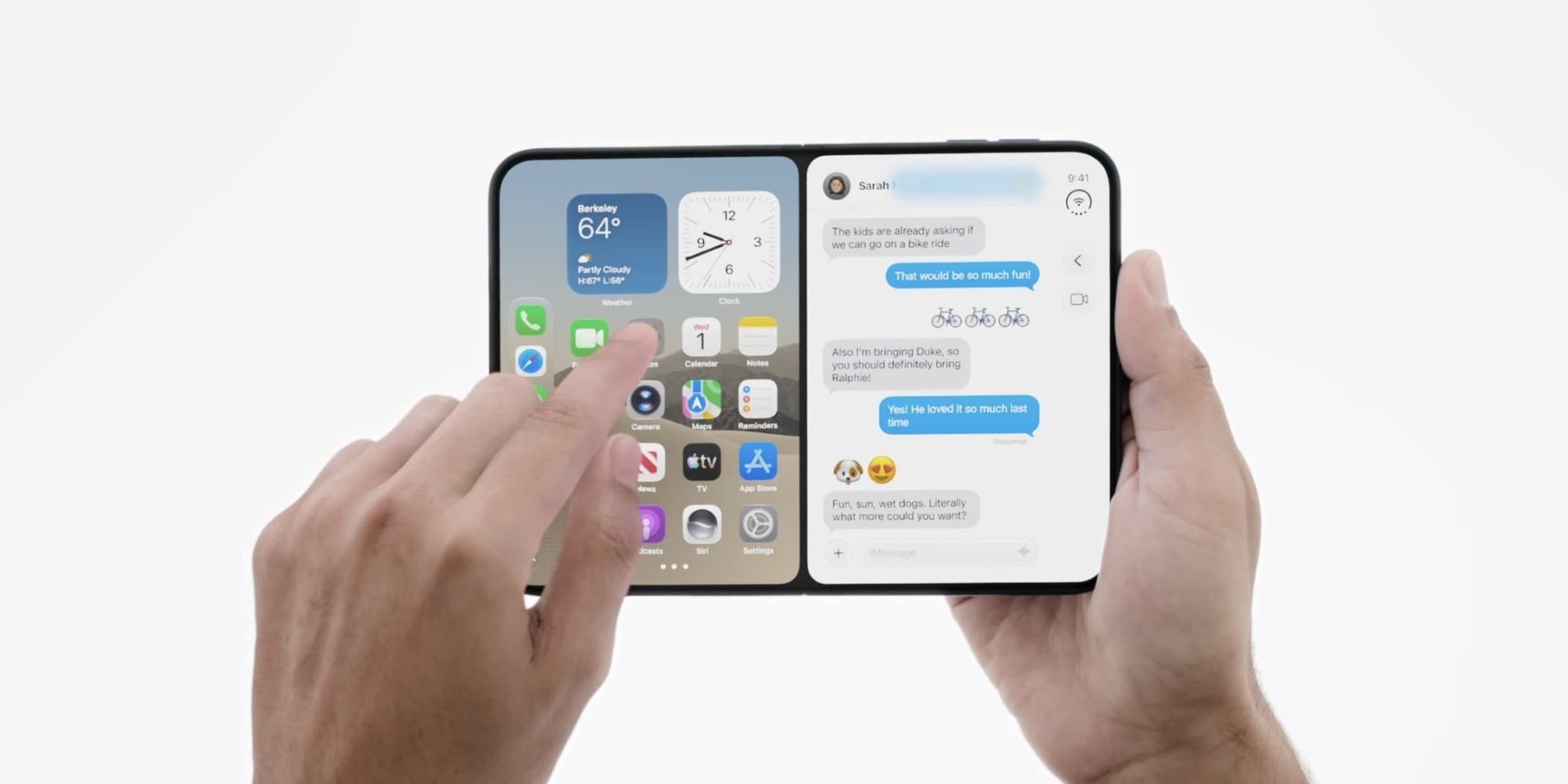
From an engineering perspective, the iPhone Duo represents a radical departure from the traditional slab-phone design. Its software requires custom hooks to manage dual-screen interactions, unique power-management algorithms, and specific interface adjustments that simply do not exist on the standard iPhone models. Managing these custom designs within the same codebase as the traditional iPhone software could have introduced unnecessary bloat or stability risks. By keeping the Duo on its own release track for this specific update, Apple’s engineering teams were able to iterate quickly on the device’s unique requirements without the overhead of ensuring backward compatibility with hardware that lacks the necessary components to utilize those features.
This approach also highlights the increasing diversity of Apple’s hardware lineup. As the company introduces more specialized devices, the one-size-fits-all approach to software updates may become increasingly difficult to maintain. If the iPhone Duo’s success leads to a permanent product line, we may see a future where Apple manages software updates in a way that more closely resembles how it manages specialized builds for different iPad or Apple Watch models, where hardware variance often dictates software delivery schedules.
Managing Expectations for the Coming Week
As the launch of iOS 27.2 approaches, it is important for users to understand that the absence of a 27.1 notification is not an indication of a device failure or a missed opportunity. The current software state of the global iPhone fleet remains secure and operational, and the jump to 27.2 is intended to be a comprehensive update that encapsulates the improvements that might have otherwise been distributed across multiple smaller releases.
For those who have been participating in the iOS 27.2 beta, the transition to the final public release should be relatively seamless. Users will find that the update addresses a range of performance optimizations and feature refinements that reflect the feedback collected during the testing period. As the update rolls out, it will effectively harmonize the user experience across all devices, bringing the non-Duo models up to the latest feature set that Apple has been curating for the autumn season.

The strategy of isolating the iPhone Duo for its initial software optimization is a clear signal that Apple is willing to adjust its long-standing operational procedures to accommodate its newest, most experimental hardware. It is a calculated move that balances the need for secrecy during product launches with the technical demands of supporting novel form factors. For the average user, the takeaway is simple: your device is not behind, and the next major update is just around the corner. The software ecosystem remains, as always, under careful management by Cupertino, even when the release schedule begins to look a bit more complex than in previous years.