











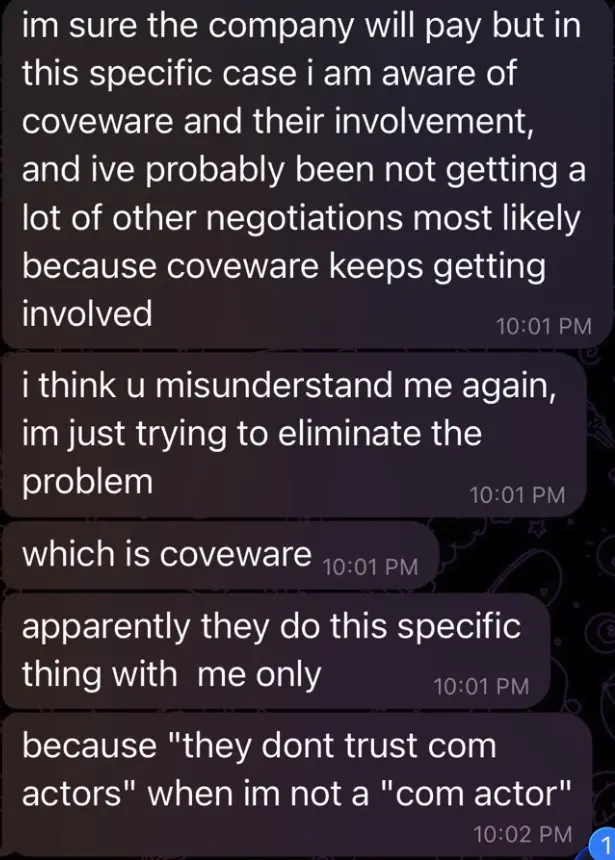
U.S. federal investigators are widening their net in a high-stakes investigation into the notorious hacking group known as "ShinyHunters." Recent developments in the case have exposed a disturbing overlap between the cybercriminal underworld and the legitimate industry of ransomware negotiation. According to information obtained by KrebsOnSecurity, federal authorities have identified executives at two separate ransomware negotiation firms who allegedly maintained unusually close, and potentially criminal, relationships with the extortion group.
The investigation has reached a critical juncture, with sources indicating that at least one U.S.-based executive allegedly provided operational support for "Shinywire," a website specifically designed by the hackers to coerce victims into paying ransoms. This breach of trust within the cybersecurity sector underscores the precarious nature of the ransomware ecosystem, where the line between service provider and accomplice is increasingly blurred.
The Rise and Fall of the ShinyHunters Brand
Since its emergence in 2019, ShinyHunters has claimed responsibility for dozens of high-profile data breaches. Initially operated by a collective of cybercriminals based in France, the group’s leadership structure shifted significantly as international law enforcement agencies began identifying and apprehending its core members. The mantle of leadership eventually fell to an individual known as "Rey," identified last year as a teenager residing in Amman, Jordan.

The group’s reach has been both broad and financially devastating. The FBI estimates that ShinyHunters has successfully extorted more than $70 million from various victims over the course of the current year alone. Their activities gained national attention in late September when the group successfully compromised the FBI’s recruitment portal, fbijobs.gov. The breach was a brazen display of defiance, as the hackers threatened to leak sensitive personnel records, including Social Security numbers, medical histories, and psychological assessments, alongside details regarding employee specializations and unit assignments.

This escalation forced the FBI to act with extraordinary urgency. The agency intensified its efforts to track down anyone with known lines of communication to Rey or other key associates. This pressure culminated on October 3, when Reuters reported that Jordanian authorities had detained Rey, who is now reportedly cooperating with federal investigators.
A Domino Effect of Arrests
Rey’s ability to seize control of the ShinyHunters brand was the result of a power vacuum created by the arrest of a senior member. On September 15, 2026, Dutch law enforcement conducted a high-stakes raid, utilizing flash-bang grenades to apprehend Pepijn van der Stap, a convicted hacker and primary suspect in the ongoing ShinyHunters investigation.
The apprehension of Van der Stap was a masterstroke for investigators. At the time of his arrest, he was actively logged into his Signal instant messaging account. This allowed authorities to gain immediate access to his recent communications, which included threads with ransomware negotiators based in both Canada and the United States.
These digital breadcrumbs proved even more significant than anticipated. Sources close to the investigation suggest that Van der Stap’s messages provided evidence of a murder-for-hire plot, allegedly orchestrated by the hacker from abroad. While there is no evidence to suggest these violent plans were ever brought to fruition, the revelation highlights the dangerous shift from data-centric extortion to physical threats.

On October 9, the investigation crossed a new threshold when the FBI arrested Edward Dubrovsky, a 54-year-old Canadian cybersecurity executive. Dubrovsky, who had recently authored a book on the intricacies of cyber extortion, was charged with threatening to disclose stolen data and interfering with interstate commerce. Prosecutors have requested that he remain in custody, and court records related to the proceedings have been placed under seal.
Investigations into Van der Stap’s digital correspondence revealed that he held frequent, ongoing conversations with Dubrovsky and at least one other executive at a prominent U.S.-based consulting firm. Investigators found that these executives often had detailed knowledge of new victims before those victims were even aware they had been compromised. Perhaps most damningly, evidence suggests that Dubrovsky was aware of the sensitive FBI data theft but failed to alert the bureau, choosing instead to remain silent while the hackers leveraged the stolen files for extortion.
Shinywire: The Mechanics of Extortion
The "Shinywire" website served as the primary instrument for the group’s pressure campaigns. Active from May 3, 2026, until mid-October, the site listed nearly 100 organizations targeted by the group. Each entry on the portal was designed to strip away the victim’s sense of security, featuring samples of stolen files and countdown timers that promised the public release of confidential records if payment demands were not met.
The site specifically targeted organizations like the medical technology firm Intuitive Surgical, which suffered a breach in March 2026 after a single employee fell victim to a sophisticated phishing attack. The existence of Shinywire suggests a degree of professionalization that allowed the hackers to offload the labor-intensive process of victim management, and investigators believe at least one U.S. consulting executive played an active role in maintaining the site’s infrastructure. While the company in question remains unnamed due to the ongoing nature of the investigation, it is described as a prestigious firm with a workforce exceeding 1,000 employees.

Internal Conflicts and Industry Ethics
The arrest of Edward Dubrovsky has also cast a light on his previous professional associations. Prior to his legal troubles, Dubrovsky was embroiled in a civil lawsuit against Daniel Tobok, the former CEO of the cybersecurity firm Cypfer. The two had been business partners since 2017 but experienced a bitter falling out by 2024, leading to allegations of professional sabotage and competing interests.
Intriguingly, former colleagues of Tobok claim that he was known among ransomware circles by the alias "Ghostbyte" as early as 2018. During an investigation into a Dharma ransomware incident that year, a representative for the hacking group explicitly directed a victim to contact a Canadian IT firm, suggesting they reach out to "[email protected]." While it remains unclear if Tobok actively utilized that address, digital forensics suggest a link between his personal email and the "Ghostbyte" handle.
Cypfer has officially distanced itself from the current controversy, issuing a statement that the company does not facilitate ransomware payments and had no prior knowledge of Dubrovsky’s arrest. The company further noted that its current operations are under the oversight of the Apros Group, led by former FBI special agent Jason Hogg.
A Systemic Conflict of Interest
The moral and legal implications of paying ransoms remain a subject of fierce debate. While paying a ransom is not inherently illegal in the United States—unless the group is under Treasury Department sanctions—the practice is fraught with danger. ShinyHunters, though highly destructive, is not currently subject to such sanctions.

The primary concern for industry experts is the "pay-to-play" model employed by many incident response firms. Many negotiators charge a percentage of the final ransom payment, creating an inherent incentive to encourage victims to pay rather than negotiate. Mark Camillo, CEO of CyberAcuView, has been vocal about this conflict, noting that when a firm acts as both an advisor and a profit-taker from the ransom transaction, the objectivity required to protect the client is compromised.
The U.S. Department of Justice has begun cracking down on these practices. The recent prosecution of MonsterCloud CEO Zohar Pinhasi, who allegedly paid hackers $8 million while charging clients $19 million, and the 70-month sentence handed to Florida-based negotiator Angelo Martino, illustrate a shift in federal strategy. Authorities are no longer just targeting the hackers; they are scrutinizing the intermediaries who facilitate the payments.
As the investigation into ShinyHunters continues, the case serves as a stark reminder of the vulnerability of the current cybersecurity landscape. Victims are left in a bind, often urged by insurers to engage with firms that may prioritize their own financial gain over the security of the victim’s data. As the FBI continues to dismantle the ShinyHunters network, the spotlight on the "middlemen" of the cyber extortion industry is only expected to grow brighter.