The way most modern organizations are rolling out artificial intelligence feels less like a calculated business strategy and more like an elaborate farce. If current corporate rollout methods were adapted into a feature-length film, movie reviewers would likely dismiss the plot as entirely unbelievable, arguing that no real management team could be quite that shortsighted. Yet, business leaders find themselves right in the middle of this operational comedy of errors. What makes the current situation all the more frustrating for industry observers and consultants is a stark realization: the corporate world has been down this exact road before.
Back in 2014, digital strategist and author Paul Boag wrote Digital Adaptation for Smashing Magazine, a book examining the systemic mistakes organizations routinely made while approaching digital transformation and outlining what they should have been doing instead. Today, the similarities between the corporate missteps of the digital transformation era and the current rush to adopt artificial intelligence are striking. Revisiting those past lessons reveals valuable insights into how businesses can navigate the profound challenges of AI adoption without falling into the same operational traps.
The most fundamental mistake made during both eras is approaching a profound organizational shift purely as a technological challenge.
It’s About People, Not Technology
To be sure, both digital transformation and the integration of artificial intelligence represent massive technological advancements, and some level of technical implementation is required for either to function. However, deploying the software is merely the tip of a very large iceberg.
During the height of the digital transformation era, internal IT departments were busy rolling out content management systems, customer relationship management platforms, and corporate intranets. Meanwhile, on the customer-facing side, organizations rushed to build websites, mobile applications, and early personalization engines. Yet, leadership teams put almost zero emphasis on how actual human beings were going to use these systems. Consequently, internal software systems proved notoriously difficult to navigate, while customers either remained indifferent to what was being built or actively wanted something entirely different.
A remarkably similar phenomenon is playing out with artificial intelligence today. Senior management teams are buying heavily into market hype, prompting IT departments to acquire enterprise-wide software licenses—such as widespread rollouts of Copilot Studio—and consider the job finished. Aside from some generic, organization-wide training webinars, little else is done. Just as before, frontline staff are left staring at new systems, wondering what they are actually supposed to do with them, and feeling immense, unspoken pressure to use the technology and deliver measurable business results.
Organizations must urgently recognize that artificial intelligence represents a profound cultural shift just as much as it is a technological one, and that fundamental shift carries enormous implications for their workforce. This time around, the stakes feel even higher for employees because staff are genuinely fearful for the security of their jobs. Workers have read the same sweeping headlines about automation and job displacement as executive leadership, and no amount of generic reassuring promises from senior management is going to make them feel secure.
Why Would Staff Want To Adopt AI?
Examining the situation from an everyday staff member’s point of view reveals why enthusiasm is often lacking. Artificial intelligence offers employees very little personal benefit, even before accounting for the underlying fear that management intends to use the technology to downsize headcount.
The primary reason senior leadership teams are excited about artificial intelligence is the promise of enhanced productivity. The technology allows people to theoretically accomplish more tasks in less time. However, that promised efficiency dividend does not directly benefit the workers themselves. Employees are still expected to work their standard hours, but they are now pressured to produce a higher volume of work within that exact same timeframe. They do not get extra time returned to their personal lives, nor do they receive increased compensation for their elevated output, raising a very logical question: why should they willingly embrace AI?
Before asking staff to embrace these new tools, organizations must first ask themselves how they genuinely intend to motivate them to do so. One practical strategy involves helping staff identify the specific administrative or repetitive parts of their jobs that they actively hate, demonstrating how AI can help them complete those specific tasks more quickly and with less friction. People naturally tend to be far more receptive to organizational change when it is presented as a tangible opportunity to directly improve their working lives rather than merely extract more labor.
Beyond smoothing out daily frustrations, organizations may need to consider providing direct incentives for staff to adopt AI, whether through career progression opportunities, adjusted compensation structures, or exploring shorter working hours enabled by genuine productivity gains.
Staff Need Time And Support To Adopt AI
Furthermore, adopting artificial intelligence is far from a simple administrative task. It requires challenging and dismantling almost every established working practice an employee has spent years, or in some cases decades, building up. All of that accumulated procedural knowledge has to be unlearned and rebuilt from scratch. That is an enormous burden to place on any workforce, especially when most employees do not find themselves operating under ideal circumstances.

The reality is that most modern workers are already overworked, chronically stressed, and struggling simply to stay on top of daily to-do lists. They simply do not have built-in time to sit down, patiently learn a brand-new tool, and figure out organically how it fits into their complex, fast-paced workflows. Proper adoption requires more than just time; it demands deep consideration and sustained experimentation. Sending an employee to a single, generalized training course and expecting them to utilize AI to its absolute full potential is entirely unrealistic.
At an absolute minimum, staff require training tailored specifically to their distinct professional roles. Organizations need to develop sophisticated, role-specific training programs that help employees from disparate departments understand how artificial intelligence applies directly to their daily responsibilities. Beyond initial instruction, workers need ongoing support systems and protected time to experiment with AI tools to discover the most effective use cases for their tasks.
However, formal training classes can only take an organization so far. Practical experience shows that the most effective support consistently comes from immediate peers. Rather than focusing initial efforts on trying to convert the most resistant employees, organizations should start with internal enthusiasts—the handful of people within every company who are already experimenting with AI on their own initiative, often without formal permission. Bringing these enthusiastic early adopters together, providing them with dedicated time and space to share what is actually working, allows organic enthusiasm to spread naturally across the wider workforce.
A similar dynamic proved true during the digital transformation era. Internal conferences and show-and-tell sessions, where staff members demonstrated what they had built to their colleagues, consistently accomplished far more for software adoption than any official memo issued from the executive suite. People are fundamentally more inclined to try a new approach when they witness a peer in a similar role using it successfully, rather than when they are simply commanded to do so by senior management.
Unfortunately, genuine experimentation inherently comes with a significant downside: mistakes will inevitably be made.
It Needs To Be Safe To Fail
Many corporate cultures suffer from an underlying climate of fear where professional mistakes are treated as undeniable signs of incompetence. Yet, by its very nature, mastering a transformative new technology like artificial intelligence involves a trial-and-error process that generates missteps along the way. Without a cultural safety net, the fear of making a mistake becomes a massive, crippling barrier to overall adoption.
This dynamic was visibly apparent during the digital transformation era as well. Senior management would loudly demand comprehensive digital initiatives and then express utter confusion when those initiatives stalled. What those leaders consistently failed to realize was that they were broadcasting deeply mixed messages to their staff. While leadership was demanding sweeping digital change, they were simultaneously insisting that the exact same rigid key performance indicators be met without interruption, and they continued to penalize minor errors during annual performance reviews.
There was simply no safe space provided for failure because the relentless pressure to deliver immediate, flawless results left no room to breathe.
In the current era of artificial intelligence, those communication disconnects appear to be even worse. Reports routinely emerge of staff being reprimanded by management for consuming too many software tokens just weeks after being formally instructed to embrace AI adoption. In other cases, employees are lectured so excessively regarding the strict boundaries of what they should and should not do with AI that they become paralyzed by caution, ultimately deciding it is safer to stick with legacy methods and avoid the technology altogether.
If executive leadership genuinely wants their workforce to embrace artificial intelligence, they must establish an environment where staff feel genuinely safe to experiment. That requires management to actively adjust performance metrics, modify how employee performance is reviewed, and relax restrictive oversight while workers are still in the steep learning phase of technological adoption.
Handle Governance With Care
Naturally, enterprise-wide artificial intelligence cannot be deployed into a complete vacuum without appropriate governance protocols in place. However, corporate governance is yet another operational area that organizations have historically handled with a heavy hand.
During the digital transformation era, governance structures tended to fall into one of two extremes: they were either completely nonexistent, leaving teams entirely unguided, or they were so suffocatingly strict that they choked out all organizational innovation. Sadly, precisely the same pattern is emerging regarding AI adoption today.

Staff undeniably require a foundational level of governance to understand where they stand, what is expected of them, and the clear boundaries of allowable behavior. Yet, companies frequently draft rules so restrictive that employees find it functionally easier to avoid using the tools altogether. Volumes of dense instructions detailing what data can and cannot be shared with artificial intelligence algorithms only serve to amplify the prevailing corporate fear and hesitation.
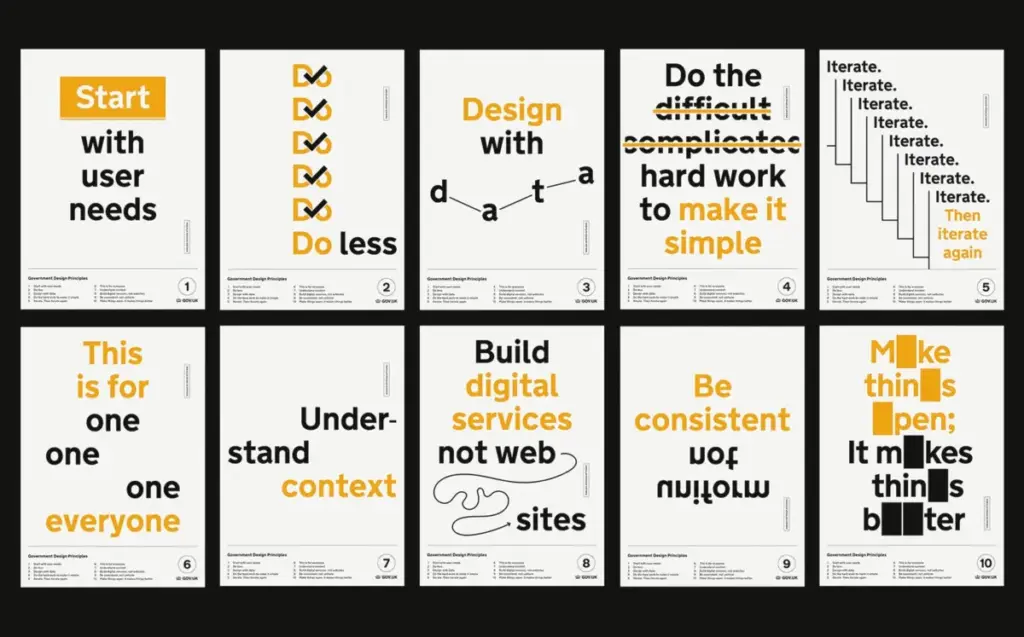
Organizations require a concise set of guiding principles—guidelines brief enough to fit comfortably on a handful of posters, mirroring the approach of established digital design standards. Beyond establishing those clear boundaries, leadership must demonstrate a baseline level of professional trust, allowing employees to exercise common sense in their day-to-day execution. Mistakes will inevitably occur as part of the transition cost, and organizations must accept that reality while building appropriate safeguards into their rollout strategies.
Adaptive Technological Rollout
Alongside cultural considerations, organizations must exercise caution regarding how they deploy artificial intelligence from a purely technical perspective. Once again, it is tempting for IT departments to lock down systems completely, inadvertently stifling widespread adoption.
This exact pitfall was highlighted back in 2014 during the digital transformation push. Overstretched and under-resourced IT teams would select a rigid set of pre-approved technologies and mandate them across the entire organization, often with little to no consultation with the actual end-users. Any software or digital tool falling outside that narrow, approved list was forced to navigate a labyrinthine approval process, usually requiring clearance from a bureaucratic steering committee. The resulting glacial pace of operational change proved to be a primary contributor to the high failure rate of digital transformation projects.
Today, corporate technology departments are frequently repeating this script by opting into a single enterprise solution—such as Microsoft Copilot—and declaring the technological rollout complete. In practice, however, that singular solution often falls drastically short of meeting specialized departmental needs.
Consider, for instance, specialized professional teams—such as user experience researchers—whose management is aggressively pushing for artificial intelligence adoption. These teams are often genuinely excited about the potential of building AI-powered research repositories or synthetic user personas. Yet, in many cases, progress stalls entirely because the corporate-mandated platform cannot technically deliver on those specific operational visions. The team becomes immediately bogged down in corporate bureaucracy as they attempt to persuade an internal AI steering group to approve an alternative toolset, causing initial enthusiasm to evaporate rapidly.
When official internal channels prove too restrictive, impatient employees do not simply give up; they bypass corporate IT entirely. Just as the era of digital transformation saw the rise of unauthorized "shadow IT," with employees signing up for cloud storage and external document tools because official software fell short, companies today are witnessing the rapid rise of "shadow AI." When internal enterprise tools prevent staff from efficiently completing their work, employees simply open personal ChatGPT or Claude accounts on their personal smartphones or home laptops and proceed with their tasks.
This underground usage presents a far greater security risk than the hypothetical dangers corporate restrictions were originally designed to prevent. Proprietary company data ends up flowing into external applications completely outside organizational control, lacking proper oversight or corporate record-keeping. The instinctive corporate reaction to such behavior is often to clamp down even harder with stricter policies, blocked web domains, and threats of disciplinary action.
However, heavy-handed crackdowns rarely succeed; instead, they simply drive unauthorized behavior further underground. Shadow AI should be viewed as a valuable diagnostic symptom, revealing precisely where official corporate toolsets are failing to meet operational demands. Rather than attempting to stamp out unauthorized usage through punitive measures, organizations should examine those behaviors, consult with staff regarding what tasks they are routing through personal accounts, and use those insights to shape subsequent technological rollouts.
Admittedly, managing a messy, decentralized technology stack is far from ideal for enterprise IT departments. Yet, during the early stages of a profound technological shift, organizations must inevitably tolerate a degree of operational chaos while workers explore the outer boundaries of what is possible and establish common, practical use cases. Businesses must permit staff to explore diverse AI applications suited to their specific professional requirements, refining governance and tightening security gradually as true organizational needs become clearer over time.
A Dangerous Time
For many traditional organizations, this decentralized, human-centric approach feels inherently risky. Leadership teams naturally prefer to centrally control the adoption process to ensure nothing goes wrong. Yet, all meaningful business transformation carries a degree of operational risk, and the long-term risk of moving too slowly in a shifting technological landscape remains far greater than the risk of moving too fast.
The ultimate danger facing businesses today is viewing artificial intelligence purely as a mechanical challenge while entirely overlooking the human element. Just like the digital transformation era before it, successful AI adoption is not simply a matter of installing new software licenses. It is fundamentally about people, organizational culture, and proactive change management. The sooner corporate leadership recognizes the true scope of what they are handling, the better positioned they will be to navigate the road ahead.