











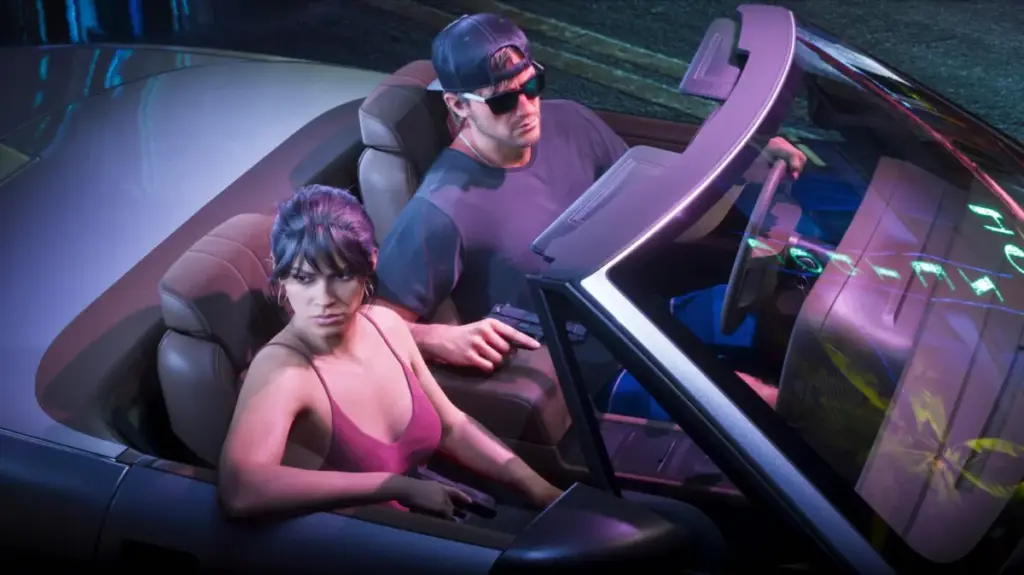
With the highly anticipated launch of Grand Theft Auto VI mere days away, the excitement surrounding Rockstar Games’ latest blockbuster has been marred by a concerning discovery regarding its physical retail release. Reports emerging from gaming communities, including ResetEra and social media platforms like X, suggest a significant security vulnerability: the digital redemption codes included within certain international physical copies of the game may be visible from the outside of the box, potentially allowing individuals to harvest the codes without ever breaking the factory seal.
The issue, which has prompted widespread discussion among fans and retailers alike, centers on the design of the game’s physical packaging. According to user reports, the redemption code is printed directly onto the inside cover of the box. Unlike traditional retail releases that might employ a separate, opaque insert or a secure, scratch-off adhesive layer, the current design appears to rely on the thickness of the box material to keep the code private. However, users have demonstrated that by shining a high-intensity flashlight through the side of the case at specific angles, the printed characters become legible through the semi-translucent plastic and paper layers.
This discovery has raised immediate alarms regarding the integrity of retail inventory. If a malicious actor can simply walk into a store with a strong light source and document the codes of multiple copies on a shelf, they could theoretically redeem the game on their own digital account before a legitimate customer even has the chance to purchase the item.
Current anecdotal evidence suggests that this issue may not be universal. Reports indicate that the flaw is primarily linked to specific international versions of the game. In many North American retail editions, manufacturers typically include an additional backing or interior insert that effectively camouflages the code, rendering it invisible even under direct, high-intensity light. This discrepancy has led to speculation that the vulnerability is a result of regional manufacturing differences, where varying materials or printing processes have inadvertently created a security loophole.
The gravity of this situation cannot be overstated for the average consumer. Purchasing a physical copy of a game is traditionally viewed as a reliable way to ensure ownership and value. However, if a customer arrives at the checkout counter, pays full price for a "new" copy, and returns home only to find that the code has already been redeemed by an unknown third party, the result is a catastrophic failure of the retail experience. In such a scenario, the physical box becomes little more than a piece of expensive, branded plastic, devoid of its primary purpose.
In response to these circulating reports, industry observers and media outlets, including Engadget, have reached out to Take-Two Interactive, the parent company of Rockstar Games, seeking clarification on whether they are aware of the manufacturing defect and if any measures are being taken to address it. As of the time of this writing, no official statement has been issued. Until a formal response or a recall is initiated, the situation leaves retail partners in a difficult position, as they may be forced to implement stricter security measures or reconsider how these units are displayed on store shelves to prevent tampering.
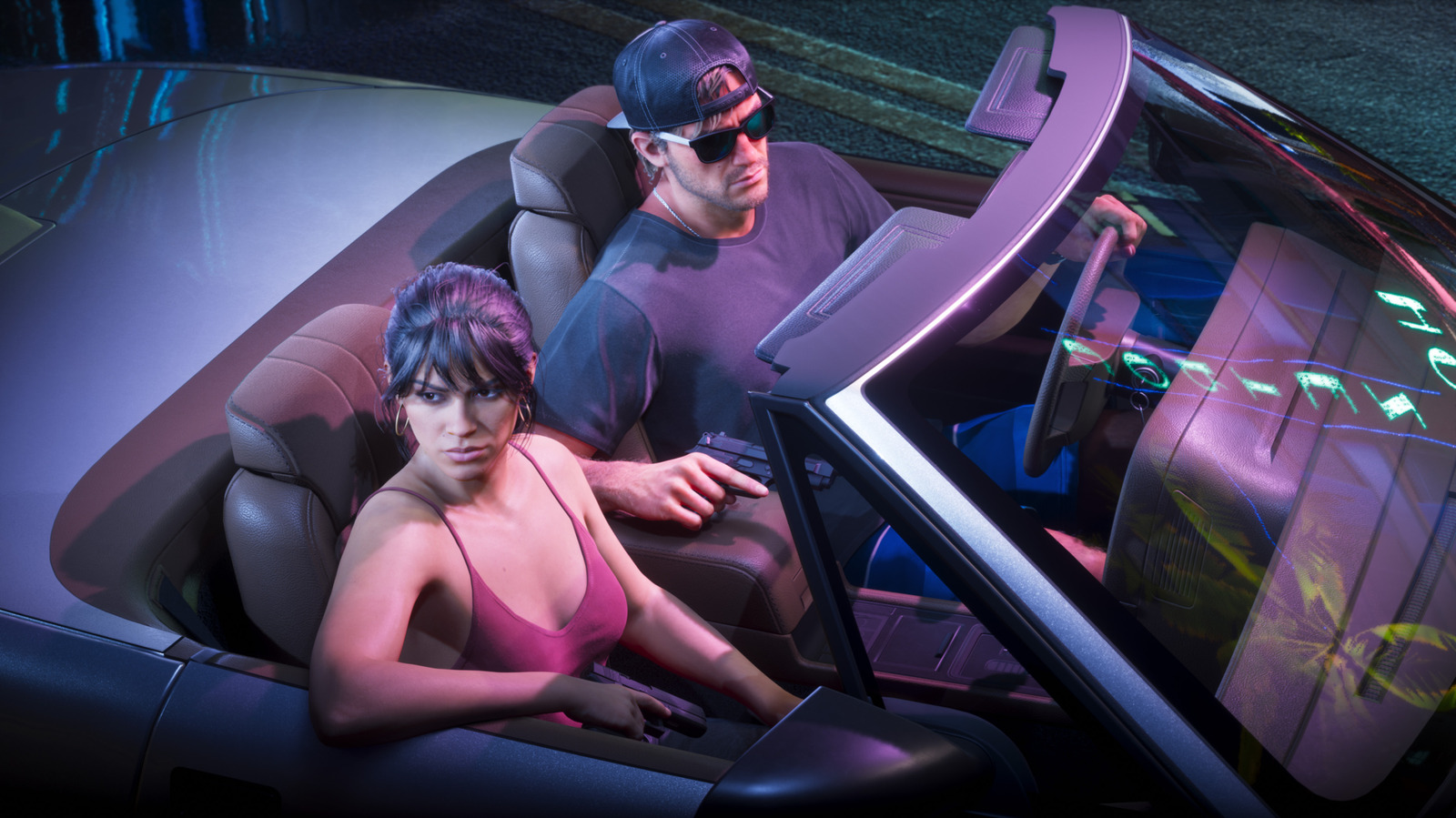
This controversy has also reignited the broader, often contentious debate regarding the definition of "physical" media in the modern gaming era. Rockstar Games’ approach to the Grand Theft Auto VI physical edition has been a lightning rod for criticism since it was first announced. For many longtime fans, the term "physical copy" implies a disc or cartridge that serves as a permanent, tangible key to the software—a relic of a bygone era where owning a game meant owning the physical media itself.
In contrast, the GTA VI physical release functions largely as a vessel for a digital license. The package contains no playable disc that can be independently traded, sold, or shared in the way traditional physical games once were. Instead, it acts as a digital distribution mechanism: the buyer purchases the box, opens it to retrieve a code, and downloads the software from a server. Because of this, the physical box is not a storage medium for the game data but rather a fancy piece of physical-world DRM (Digital Rights Management). This shift reflects the ongoing evolution of the gaming industry, where major publishers are increasingly moving toward subscription-based or digital-only models, often at the expense of consumer ownership rights.
The legal and ethical implications of this shift are significant. As digital games are increasingly treated as revocable licenses rather than personal property, the value of the physical box is arguably diminished. If the "physical" version of GTA VI is effectively just a digital key, the security of that key becomes the single point of failure for the entire transaction. If that key is compromised—either through a manufacturing oversight that allows for "flashlight-assisted" theft or through other digital security breaches—the consumer is left with no recourse for their purchase.
Legal challenges regarding digital ownership have already begun to take shape in the courts, with various lawsuits questioning whether companies have the right to claim that digital games are not "owned" by the players who purchase them. The current situation with GTA VI provides a stark, practical example of how these abstract debates impact the everyday consumer. If a product cannot be securely distributed, it cannot be securely owned.
For those who have already pre-ordered their copies or are planning to head to the store for a day-one purchase, the current reports serve as a stern warning. Consumers are encouraged to inspect their game cases carefully at the point of sale. If there is any evidence of tampering, damage to the seals, or signs that the packaging has been compromised, it is advisable to request a different unit or, if possible, seek a refund.
As the release date for Grand Theft Auto VI approaches, the gaming community remains in a state of high alert. Whether Take-Two will acknowledge the potential for these "stolen" codes or provide a path for resolution remains to be seen. In the meantime, the incident stands as a poignant reminder of the complexities involved in the transition from physical to digital retail, highlighting how easily the security of a product can be compromised when it relies on physical packaging to protect a purely digital asset. For Rockstar Games, a company known for its perfectionism and meticulous attention to detail, this oversight is an unfortunate hurdle in what is otherwise one of the most anticipated entertainment launches of the decade. The industry will be watching closely to see how the publisher navigates this unexpected technical and logistical challenge, and whether it will impact the long-term trust consumers place in the brand’s physical retail strategy.