








As the political landscape shifts ahead of the November elections, with Democrats seeing a steady rise in their prospects of reclaiming a Senate majority, Senator Richard Blumenthal (D-Conn.) has launched a pointed investigation into the financial relationship between Wall Street powerhouse Cantor Fitzgerald and the stablecoin giant Tether. The inquiry represents a significant escalation in congressional oversight regarding the intersection of traditional finance and the digital asset ecosystem.
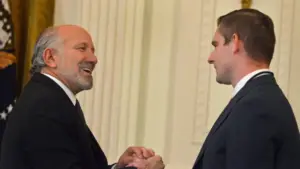
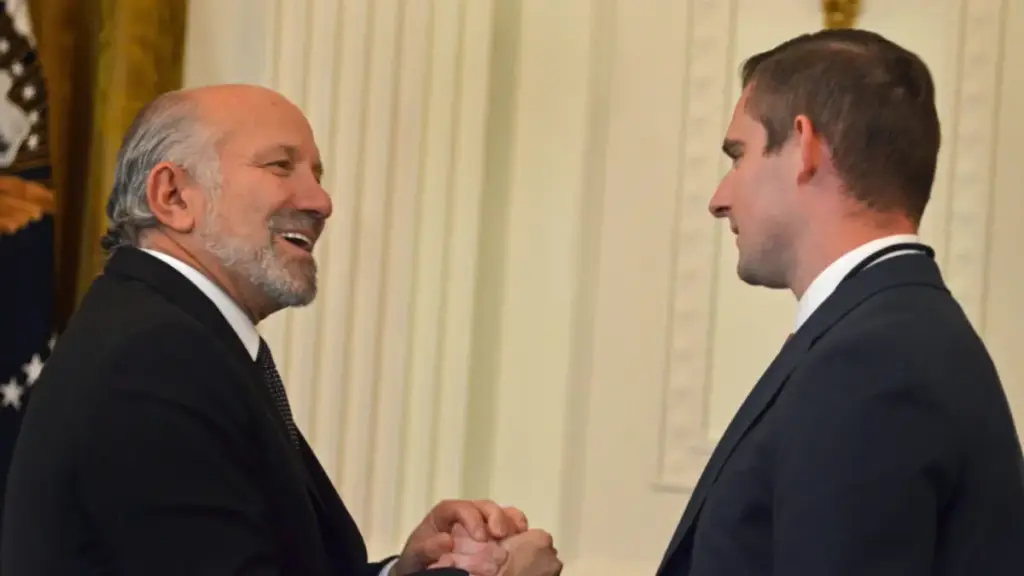
Senator Blumenthal, serving as the top Democrat on the Senate Permanent Subcommittee on Investigations, formally initiated the probe on Thursday. He issued a detailed letter to Brandon Lutnick, the current CEO of Cantor Fitzgerald. The younger Lutnick assumed leadership of the firm after his father, Howard Lutnick, stepped down to serve as President Donald Trump’s Secretary of Commerce. This transition has placed the firm—and its deep ties to the cryptocurrency market—under a microscope as lawmakers weigh the implications of systemic risks in the stablecoin sector.
A Focus on Illicit Finance and Sanctions
The core of Senator Blumenthal’s investigation centers on allegations that Tether’s USDT stablecoin has been utilized as a conduit for illicit financial activities. Specifically, the Senator is probing the role of the stablecoin in facilitating transactions for Iran’s shadow banking network and its potential use in evading international sanctions imposed on Russia. These allegations have been a growing concern for Capitol Hill, where some members fear that the lack of transparency in the offshore crypto market could undermine the effectiveness of U.S. foreign policy and national security protocols.

In his correspondence with Brandon Lutnick, Blumenthal emphasized the symbiotic relationship between the stablecoin issuer and its U.S. custodian. “Just as Tether has made untold millions in interest and investments from the stablecoins used in these illicit activities, so has Cantor Fitzgerald profited from its relationship with Tether,” the Senator wrote.
Blumenthal is seeking to determine the extent of the due diligence performed by Cantor Fitzgerald. He specifically questioned the firm about the banking and sanctions safeguards it has implemented, while also probing the historical context of the firm’s involvement during Howard Lutnick’s tenure. The inquiry reflects a broader desire among certain lawmakers to bridge the regulatory gap between the fast-moving, often opaque crypto industry and the more heavily regulated traditional financial institutions that provide their on-ramps to the global economy.
The Geography of Risk and Custodianship
A primary point of contention highlighted in the Senator’s letter is the discrepancy between where Tether claims to conduct its business and where its assets actually reside. While Tether has historically positioned itself as an offshore entity operating out of El Salvador, the reality of its financial backing is heavily tethered to the United States.
“While Tether claims to operate out of El Salvador, the vast majority of its assets reside in the United States under your custodianship,” Blumenthal noted in the letter. By focusing on the U.S. custodian, the Senator is essentially arguing that the stablecoin issuer cannot be treated as a purely foreign entity when its reserves are managed by a prominent American firm.
For Congress, the implications are significant. As the legislature deliberates on the future of digital asset regulation, the partnership between Cantor Fitzgerald and Tether serves as a primary case study for lawmakers attempting to understand the mechanics of the industry. The Senator’s letter includes a comprehensive set of requests, including a demand for the firm to “describe all steps Cantor Fitzgerald has taken to investigate allegations that Tether’s stablecoin has been used in illicit finance and money laundering, including within Iran’s shadow banking network and for purposes of Russia sanctions evasion.”
Neither Cantor Fitzgerald nor Tether provided immediate responses to requests for comment regarding the letter or the allegations of illicit use of their platforms.
Political Momentum and Potential for Subpoena Power
The timing of this investigation is inextricably linked to the shifting political winds in Washington. Senator Blumenthal, along with vocal crypto-skeptics like Senator Elizabeth Warren (D-Mass.), has been limited in his ability to conduct deep, compulsory investigations while serving in the minority party. As the minority, these lawmakers lack the ability to unilaterally issue subpoenas or compel testimony from private entities, often leaving them to rely on the voluntary cooperation of the firms they are investigating.
However, the outlook for the November elections suggests that this dynamic could change. Current market data from prediction platforms indicates that Democrats are increasingly favored to regain control of the Senate. As of October 8, 2026, the Kalshi platform estimated a 61% probability of a Democratic Senate majority, while Polymarket placed that figure at 64%. These numbers represent a notable surge in momentum, as the prediction markets were balanced at a near 50-50 split just a few weeks ago.
The shift appears even more pronounced in the U.S. House of Representatives. Both Kalshi and Polymarket show the likelihood of a majority shift toward Democrats at over 90%. Should these predictions hold, the transition would grant Senate Democrats control over key committees. This control comes with the power of the gavel, including the legal authority to issue subpoenas, which would allow committees to compel the production of sensitive internal documents and testimony from companies like Cantor Fitzgerald.
For firms like Cantor Fitzgerald and entities like Tether, the prospect of a Democratic majority in the Senate carries significant regulatory weight. If the current investigative requests are ignored or met with insufficient cooperation, the new legislative session could bring a much more aggressive and legally binding approach to oversight.
As Congress looks toward 2027, the scrutiny of stablecoins is expected to remain at the forefront of the financial policy agenda. By flagging the connection between Tether’s reserves and a major U.S. financial firm, Senator Blumenthal has signaled that the era of treating stablecoin issuers as disconnected from the U.S. financial system is coming to an end. Whether through voluntary disclosure or the potential use of newly acquired subpoena powers, the pressure on Tether and its custodians to provide transparency is likely to intensify as the legislative year concludes and a new, potentially more empowered, Congress takes office.