









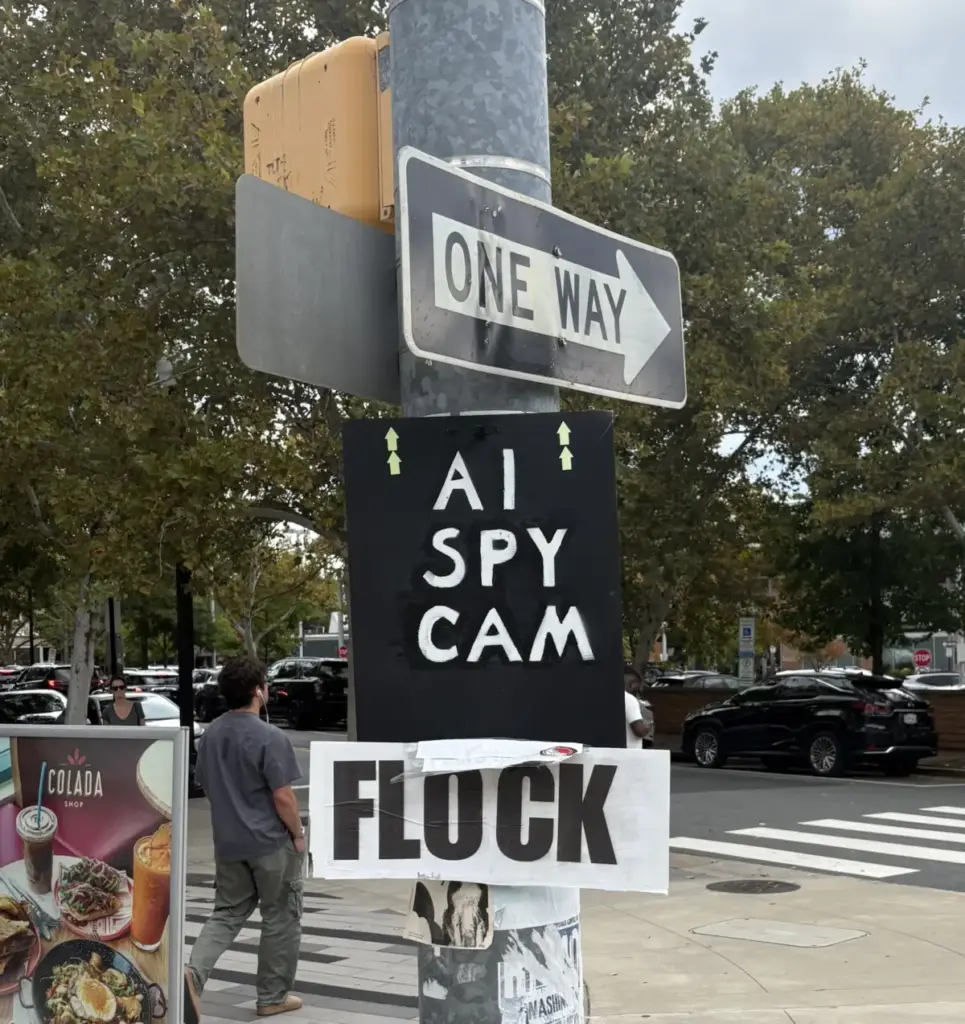
In a strategic move to stabilize its workforce and address internal turmoil, surveillance technology firm Flock Safety has initiated a voluntary buyout program for its employees.
The announcement, which surfaced on Friday, September 19, 2026, signals a critical juncture for the company as it navigates a period of intense public scrutiny and shifting political winds. According to reports, Flock is offering what it describes as the "most generous" severance packages in its history to staff members who choose to depart voluntarily. The company, which employs approximately 1,500 people, anticipates that a significant portion of its workforce may opt to take the offer, and has indicated it intends to grant these buyouts to a majority of those who express interest.
The move represents a proactive effort by Flock leadership to manage its headcount without resorting to the involuntary layoffs that have become a hallmark of the struggling technology sector. By providing a pathway for voluntary separation, the company appears to be attempting to prune its ranks of employees who may have become demoralized by the persistent and intensifying controversy surrounding the firm’s core product: high-tech automated license plate recognition (ALPR) cameras.

A Company Under Pressure
For years, Flock Safety was a darling of the venture capital world, marketed as a "force multiplier" for law enforcement. Its network of cameras, which can scan vehicles and cross-reference them with various databases in real-time, was adopted by police departments and neighborhood associations across the United States. However, that growth has hit a wall as privacy advocates and lawmakers have begun to question the ethics and security of such a pervasive surveillance infrastructure.
The internal announcement regarding the buyouts underscores the severe toll the ongoing backlash has taken on the company’s culture. In recent comments on the All-In podcast, Flock CEO Garrett Langley acknowledged that the negative publicity surrounding the firm has had a tangible impact, specifically identifying "internal morale" as the area that has suffered the "biggest damage."
Industry analysts suggest that the decision to offer these buyouts is not merely about financial efficiency, but also about cultural alignment. With the company’s mission now under fire from multiple fronts, retaining staff who are fully committed to the firm’s direction has become a priority. The alternative, according to reports, would have almost certainly been a round of involuntary layoffs, a move that often triggers further internal instability and damage to the company’s reputation.
The Catalyst: Misuse and Privacy Concerns
The current crisis facing Flock was significantly exacerbated by a bombshell report published in August 2026 by The Washington Post. The investigation uncovered at least 46 instances in which police officers were accused of misusing the company’s vast surveillance network. These allegations were particularly damaging, as they involved officers using the technology to stalk wives, girlfriends, and ex-partners.

These revelations provided concrete evidence for critics who have long warned that the "democratization of surveillance"—a key selling point for Flock—could lead to dangerous abuses of power. The idea that a tool designed to enhance public safety could be weaponized for personal harassment resonated deeply with a public already wary of the erosion of digital privacy.
The fallout was swift. In the weeks following the report, the political landscape shifted dramatically against the startup. Notably, Florida and Texas—two states that had previously been significant markets for the technology—announced that they would move to block the use of Flock cameras due to mounting privacy concerns. This was not an isolated trend; an anti-surveillance advocacy group noted that 90 cities terminated their contracts with Flock in August alone. This represents a fourfold increase in contract cancellations compared to the previous month, suggesting that the company is facing a genuine churn crisis.
Navigating an Uncertain Future
The surge in contract cancellations poses an existential threat to the company’s business model. Flock’s value proposition relies on the scale of its network; the more cameras that are deployed, the more valuable the data becomes for law enforcement. As cities withdraw from the network, the "network effect" that drove the company’s initial success begins to reverse.
The voluntary buyout program is, in many ways, an admission of the new reality facing the firm. By thinning its ranks voluntarily, Flock is attempting to reduce its burn rate and streamline operations to better suit a market that is suddenly far more skeptical of its products.
Despite the turmoil, the company remains a significant player in the public safety sector. However, the path forward is fraught with challenges that extend far beyond internal morale. The company must now contend with a fragmented regulatory environment, a skeptical public, and the loss of key municipal clients.
As Flock enters this period of contraction, the primary focus will likely remain on stabilizing the organization and managing the fallout from the misuse allegations. Whether this "generous" severance offer will be enough to stem the tide of dissatisfaction remains to be seen. For now, the company’s leadership is betting that a smaller, more focused team will be better equipped to navigate the intense scrutiny that has turned one of the fastest-growing surveillance firms in the country into a case study on the risks of pervasive public monitoring.
TechCrunch has reached out to Flock Safety for further comment on the specifics of the buyout program and the company’s long-term strategy for regaining the trust of the municipalities it serves. As of this report, the company continues to manage the transition, with the industry waiting to see if this move will provide the reset needed to weather the current storm.