










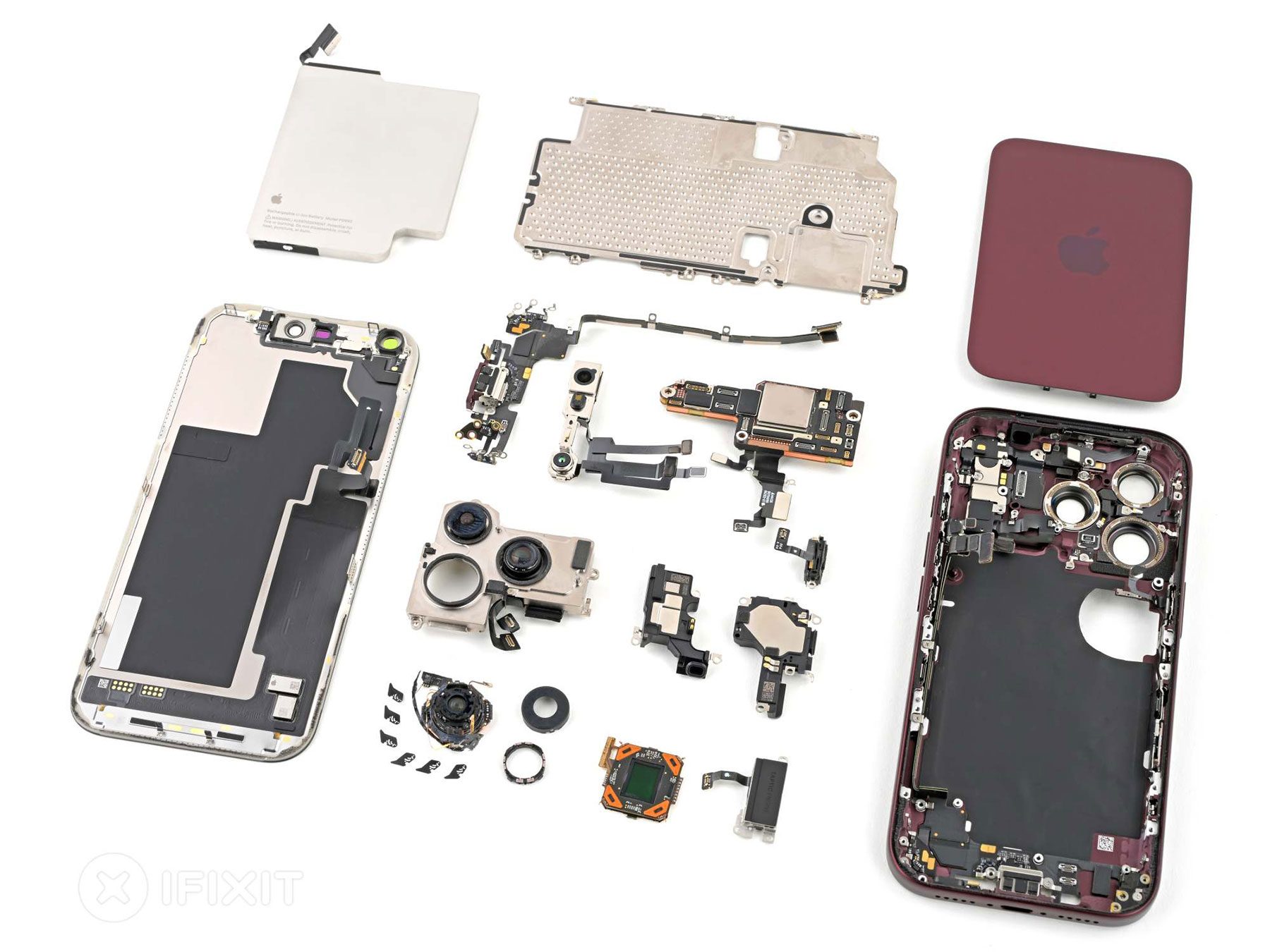
The arrival of a new iPhone flagship traditionally signals a period of intense scrutiny from the tech community, and the iPhone 18 Pro is no exception. As is now customary, the experts at iFixit have conducted a comprehensive teardown of Apple’s latest device, peeling back the layers of glass and titanium to reveal the engineering prowess—and the potential pitfalls—hidden within. Their latest report provides an intimate look at the device’s sophisticated internal architecture, from the groundbreaking variable aperture camera system to the intricacies of the under-display Face ID components.
However, beyond the engineering marvels, the teardown has raised a yellow flag for the repair community. iFixit has expressed notable concerns regarding a delicate display frame that appears prone to damage during the opening process, casting a shadow over what is otherwise a significant leap forward in hardware design.
A Deeper Look at the Variable Aperture Camera
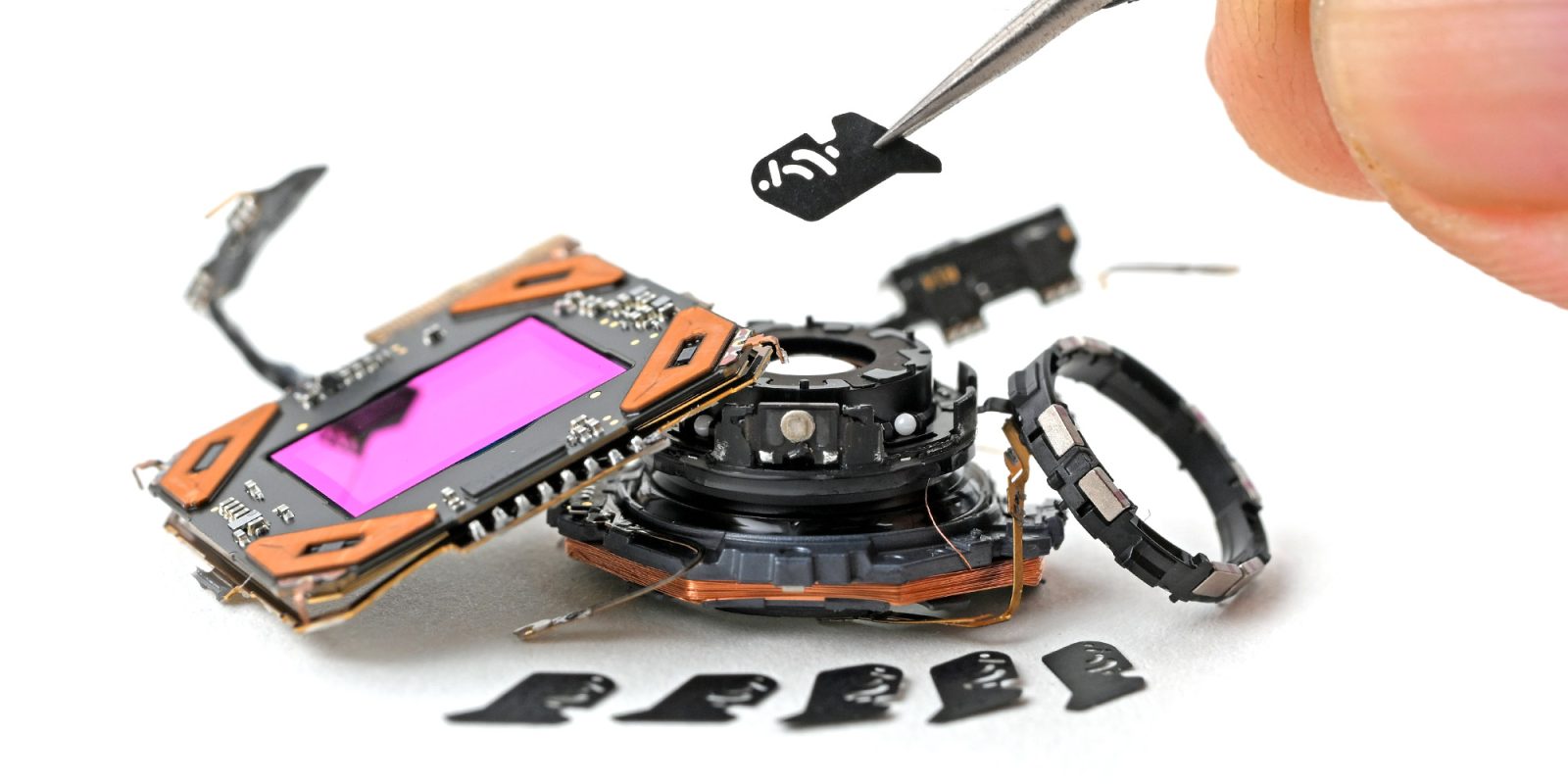
The most significant headline for the iPhone 18 Pro’s hardware is undoubtedly the debut of the variable aperture mechanism. This feature, which promises greater control over depth of field and light intake, has been a long-awaited addition for mobile photographers. In their inspection, the iFixit team discovered a highly complex assembly involving six microscopic blades. These blades are manipulated by high-precision electromagnets, functioning in a manner reminiscent of optical image stabilization (OIS) systems. Notably, while both systems share a reliance on magnetic actuation, they operate as distinct, independent mechanisms within the lens housing.

The sheer miniaturization required to fit this hardware into a smartphone chassis is staggering, but it comes at a cost to reparability. During the disassembly process, one of the tiny aperture blades accidentally dislodged, providing a stark, real-world demonstration of how fragile the component is. The technicians noted that any failure of this mechanism—such as a blade becoming stuck or misaligned—would effectively render the entire main camera module irreparable at the component level. For the end user, this means that a malfunction within the aperture system would almost certainly necessitate a complete, and likely costly, replacement of the entire camera assembly rather than a targeted fix.
Innovation Beneath the Display
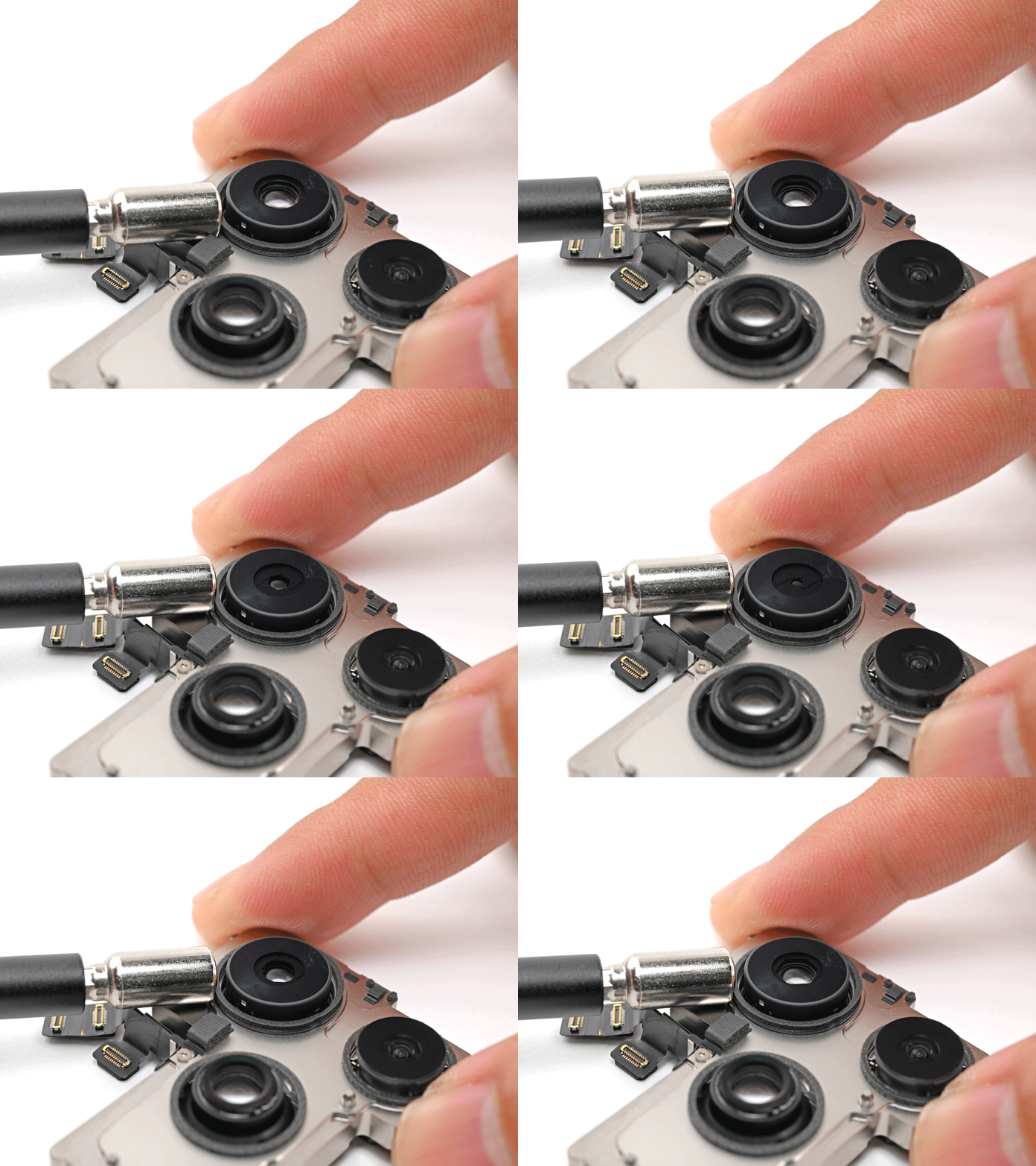
Another major architectural shift in the iPhone 18 Pro is the integration of the Face ID infrared camera beneath the display. While Apple has retained the selfie camera and the IR dot projector within the iconic Dynamic Island, the relocation of the infrared sensor represents a significant step toward a truly "all-screen" future.
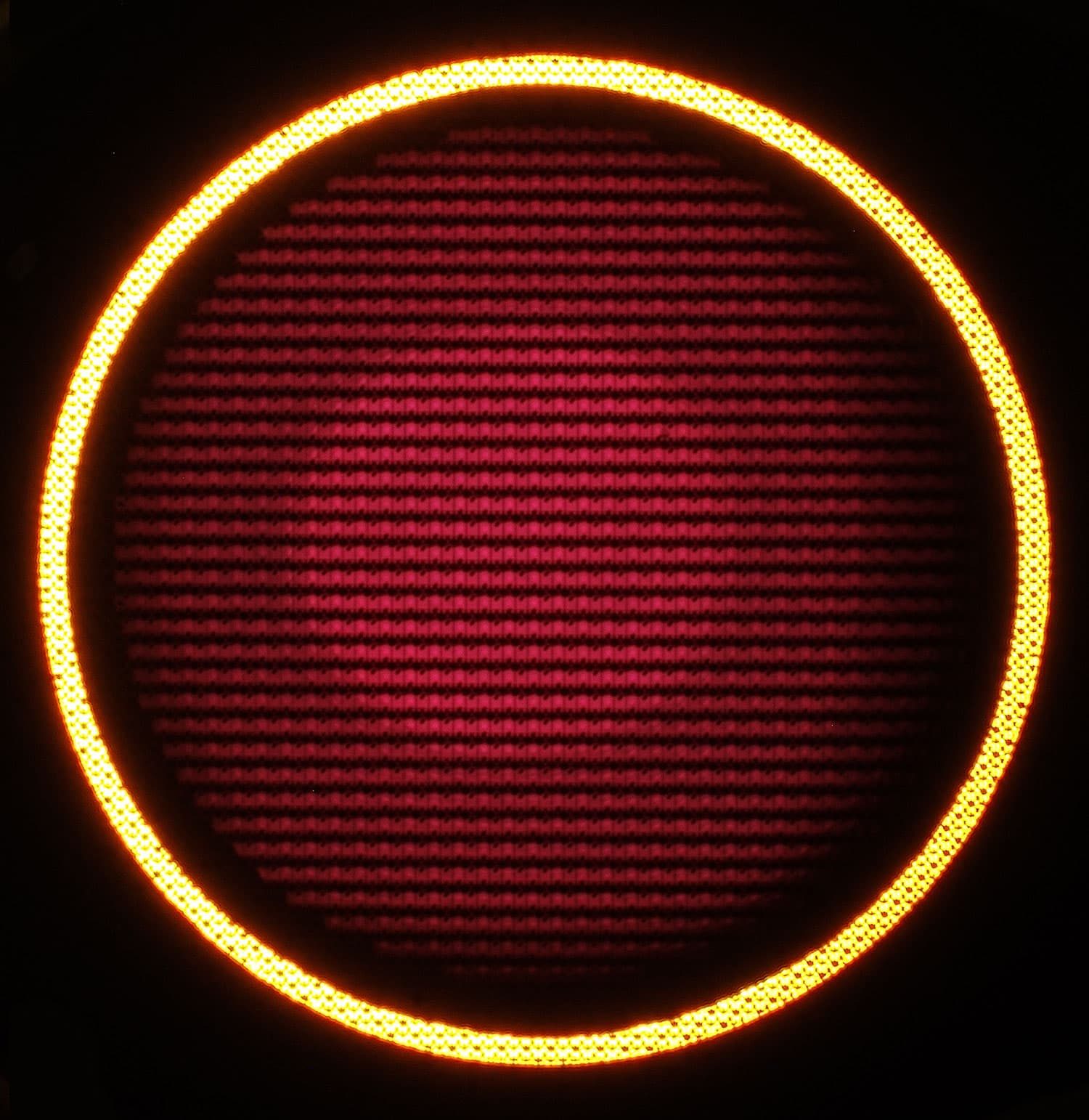
Under the scrutiny of a laboratory microscope, the team at iFixit peeled back the layers to understand how Apple manages to keep the sensor functional while obscured by the OLED panel. They observed that the display’s pixel density is strategically manipulated above the sensor; specifically, Apple has removed every other row of pixels to allow infrared light to pass through to the camera. This creates a subtle visual effect that appears to fade toward the periphery of the sensor area. Furthermore, to prevent interference from visible light, an IR-pass filter has been placed beneath the OLED layer. iFixit noted a unique "eclipse effect" occurring at the edges of this filter under specific microscopic lighting conditions, a testament to the extreme precision required for such a design.
Thermal Management and the A20 Pro
The iPhone 18 Pro also introduces a revamped cooling architecture designed to handle the increased output of the A20 Pro chip. During Apple’s "Surprise and Shine" event, company representatives highlighted a fundamental shift in how the silicon is packaged. The A20 Pro now features a design where the memory is placed side-by-side with the main silicon die, effectively pulling the memory out of the primary thermal path.
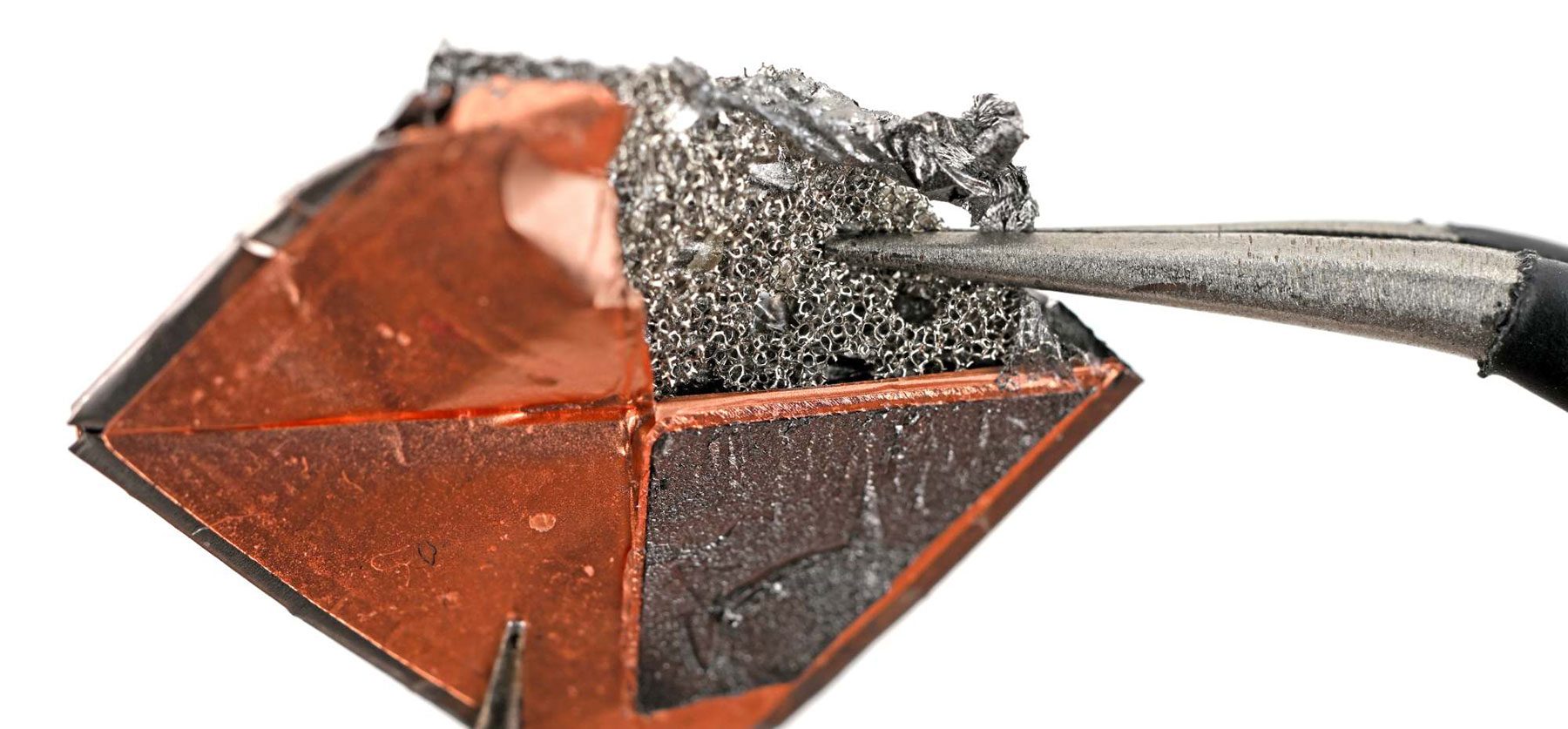
This change allows the primary chip to make direct physical contact with a newly designed vapor chamber. According to official figures, this chamber offers three times the surface area of the one found in the previous iPhone 17 Pro. The iFixit teardown confirmed these details, showcasing the thermal interface material that bridges the gap between the A20 Pro and the cooling chamber, which now spans a significant portion of the internal chassis to dissipate heat more effectively across the device’s frame.
The Display Frame Concern
Despite the impressive technological strides, the teardown revealed a potential point of failure that has tempered the enthusiasm of the repair community. During the opening phase of the disassembly, iFixit reported that the plastic frame surrounding the display was damaged on three out of the four units they dismantled.
This is a concerning development for independent repair shops and DIY enthusiasts alike. While Apple has utilized this specific frame design since the iPhone 15 Pro, the team suggests that the new, more aggressive thermal management system might be complicating the repair process. Specifically, the improved cooling architecture is designed to move heat away from the chip, which may inadvertently draw heat away from the display adhesive during the heating process typically used to loosen it. If the adhesive does not soften correctly, the structural integrity of the plastic frame is put at risk.
A damaged frame is not merely an aesthetic issue; it can compromise the structural alignment of the display, leading to a fit that is no longer perfectly flush with the housing. Furthermore, any compromise to this frame could potentially breach the seal, jeopardizing the device’s water and dust resistance. While iFixit noted that other teardown reports have not yet highlighted this issue as a universal problem, they emphasized that it is still early in the device’s lifecycle. Whether this is an isolated incident related to their specific testing methods or a broader, systemic challenge for the iPhone 18 Pro remains to be seen.
Repairability and the Future of DIY
Beyond the display, the iPhone 18 Pro maintains a mix of familiar repairability characteristics. The inclusion of a glue-free battery tray is a welcome relief, allowing for easier battery swaps, and the modular nature of the camera systems continues to be a highlight of Apple’s current design philosophy. However, these positives are balanced by persistent hurdles. Accessing certain internal components, such as the USB-C port, remains a formidable task that requires the removal of nearly all other internal hardware.

Ultimately, the iPhone 18 Pro serves as a microcosm of the modern smartphone industry: a masterpiece of miniaturization and performance that grows increasingly complex to maintain. As iFixit continues to evaluate the device, they have issued a provisional repairability score of 7 out of 10. This rating is subject to change as they conduct further testing, source replacement parts, and monitor whether the reports of display frame damage become a widespread trend.
For now, the iPhone 18 Pro stands as a testament to Apple’s ability to push the boundaries of what is possible within a pocketable device. Yet, for those who value longevity and the ability to service their own technology, the device serves as a reminder that the trade-off for such high-end performance often comes in the form of increasingly intricate and unforgiving internal engineering. As the industry watches, the real test for the iPhone 18 Pro will not just be its benchmark performance, but how it holds up on the repair bench over the coming months and years.