








LG Electronics USA has announced a significant policy shift this week, confirming that it plans to suspend any applications on its smart TV platform that transform consumer televisions into "always-on" residential proxy nodes. This decisive action follows a wave of critical security research that revealed a startling number of apps available on the company’s webOS store were essentially co-opting user bandwidth to route third-party internet traffic without the full awareness of the device owner.
The crackdown comes less than a month after security researchers from the firm Spur published findings that exposed the prevalence of residential proxy software development kits (SDKs) within the smart TV ecosystem. According to the research, more than 42 percent of the applications available for download on LG’s webOS platform contained components that could effectively turn a television into an involuntary participant in a global proxy network. These SDKs allow unknown third parties to route their internet traffic through a consumer’s home IP address, a practice that has raised significant privacy and security concerns among experts.
The Scope of the Proxy SDK Problem
The research conducted by Spur was not limited to LG’s ecosystem. Their analysis, which brought the issue to the forefront of the cybersecurity conversation on July 2, also scrutinized Samsung’s Tizen operating system. The findings indicated that more than a quarter of the applications developed for Samsung’s smart TVs contained similar residential proxy components. By bundling these SDKs into seemingly benign software, developers have found a lucrative, albeit controversial, way to monetize their products.

These proxy SDKs function by converting the user’s device into a "node" in a residential proxy network. Once active, the node can be rented out to paying customers who wish to mask their identity or bypass regional content restrictions. While these services are often marketed as tools for legitimate business use—such as market research, ad verification, or data scraping—the integration of this technology into home appliances that consumers rarely view as computers has sparked a heated debate regarding transparency and user consent.
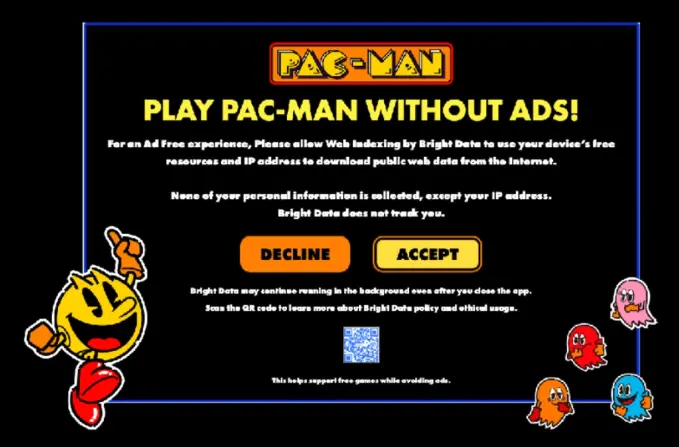
In the case of the apps identified by Spur, the proxy functionality was found in a wide variety of software, ranging from simple casual games like Pac-Man to seemingly innocuous utilities such as screensavers and file management tools. This ubiquity suggests that the integration of these SDKs has become a standard, if under-the-radar, business model for many app developers looking to generate revenue beyond traditional advertising or direct purchases.
LG’s Commitment to Platform Integrity
Responding to inquiries regarding the findings, John Taylor, Senior Vice President at LG Electronics, confirmed that the company is taking immediate steps to rectify the situation. LG is currently in the process of working directly with app developers to mandate the removal of residential proxy options from all applications hosted on the webOS platform.
"A residential proxy network is not an intended use for LG smart TVs, and LG Electronics is working with developers to remove the residential proxy option from their apps on the webOS platform," Taylor stated in an email to KrebsOnSecurity. He added a clear ultimatum for those who might resist the change: "If this option is not removed, these apps will be suspended."
Taylor emphasized that LG is committed to purging these networks from its ecosystem permanently. He noted that a comprehensive review of all apps currently hosted on the webOS store is "well underway." Looking ahead, the company plans to overhaul its developer submission process. "As part of our ongoing efforts to enhance platform quality and the user experience, LG will continue to strengthen our evaluation process for developer-submitted apps, including those that incorporate residential proxy SDKs," Taylor wrote. This shift signals a broader trend among hardware manufacturers to exercise tighter control over the third-party software environments that run on their connected devices.

The Industry Perspective on Proxy Networks
The presence of these SDKs is not entirely without defense from the providers themselves. Bright Data, a prominent residential proxy network identified in the Spur report as accounting for a significant portion of the SDKs on both LG and Samsung platforms, has pushed back against the notion that their operations are inherently malicious.
In a statement shared following the initial report, Bright Data maintained that its network is built upon the principles of consent and responsible usage. "Every peer opts in through a dedicated screen and receives value in return; every customer is vetted, and our practices have now undergone a second independent audit by PwC," the company stated. Bright Data further argued that their service facilitates an "open, transparent internet" where institutions and businesses can access publicly available data, asserting that they employ rigorous "know-your-customer" (KYC) processes to prevent abuse.
Furthermore, proxy providers frequently cite the implementation of technical safeguards designed to isolate the proxy traffic from the user’s local network. These countermeasures are intended to ensure that a customer using the proxy service cannot interact with, compromise, or control other connected devices—such as home security cameras, printers, or personal computers—that share the same Wi-Fi network as the smart TV.
The Challenge of Informed Consent
Despite the assurances from proxy providers, security researchers remain skeptical about the efficacy of current disclosure methods. Trevor Sutter of Spur argues that the fundamental issue lies in the disparity between the complexity of the technology and the environment in which it is deployed.
"A one-time consent prompt buried in a TV app is not a substitute for meaningful transparency, ongoing control, and platform oversight," Sutter noted. He highlighted that the risk is particularly acute in a domestic setting, where the primary user—or perhaps a minor—might click through a permissions dialogue without fully comprehending that they are authorizing their home network to serve as a gateway for third-party traffic. Because smart TVs are rarely audited by the average consumer in the same way one might audit a smartphone or laptop, they have become an attractive target for companies looking to expand their proxy networks.
Broader Concerns for LG Users
The news of LG’s efforts to cull residential proxy SDKs is a positive development for the security of its user base, but the company has simultaneously faced criticism for other software-related practices. The scrutiny comes at a time when LG is already dealing with a separate controversy regarding the bundling of third-party software on its hardware.
Earlier this week, the technology-focused YouTube channel Gamers Nexus released an investigation revealing that certain high-end LG LCD monitors were automatically installing software designed to promote paid McAfee antivirus subscriptions. The investigation highlighted that this installation process occurred through Windows Update, without providing the user with an explicit approval prompt. The discovery caused a stir among the tech community, as it raised questions about the boundaries between hardware manufacturers and the software ecosystem.
The combination of these two issues—the involuntary hosting of proxy nodes and the forced installation of promotional software—has placed LG under a microscope. While the company’s commitment to removing proxy SDKs from its webOS store is a significant win for privacy advocates, the broader challenge remains: how to balance the commercial interests of developers and partners with the fundamental need for consumer control and security in an era where nearly every household device is connected to the internet. As LG continues its review of the webOS app ecosystem, the industry will likely be watching to see if other manufacturers, such as Samsung, follow suit with similar clean-up efforts for their own smart TV platforms.