











Since its inception in 2011, AWS Elastic Beanstalk has served as a cornerstone for developers seeking to abstract away the complexities of infrastructure management. By providing a streamlined path for deploying full-stack applications across diverse runtimes—including Java, .NET, Python, Node.js, PHP, Ruby, and Go—Elastic Beanstalk allowed engineers to focus on business logic rather than the underlying server configuration. Fifteen years later, that foundational trust has evolved into a comprehensive, high-performance operational engine. Today, AWS is marking the next chapter of this journey with the launch of a new, fully managed Cluster Mode, designed to unify application management through the power of Amazon Elastic Kubernetes Service (Amazon EKS).
The evolution of Elastic Beanstalk has been marked by a shift toward taking full operational responsibility for production environments. Whether developers bring their applications as raw source code, Dockerfiles, or pre-built container images, the service is now architected to handle the entire lifecycle of the workload. This includes the heavy lifting of deployment, scaling, patching, continuous monitoring, and maintenance. By assuming this operational burden for the entire life of an application, AWS ensures that teams can remain focused on code quality and feature velocity rather than the nuances of infrastructure upkeep.
This progress has been driven by a series of sophisticated under-the-hood enhancements. Recent updates have introduced AI-powered environment analysis, which proactively diagnoses health issues and offers automated remediation recommendations. Furthermore, the integration of official GitHub Actions has enabled teams to bridge the gap between their existing CI/CD pipelines and AWS infrastructure using simple, declarative YAML configurations. The foundation itself has been rebuilt to support advanced observability via OpenTelemetry, traffic-splitting deployments that facilitate automatic rollbacks, event-driven autoscaling, and robust secrets management through AWS Secrets Manager. Security is now baked in by default, with HTTPS enabled through AWS Certificate Manager.
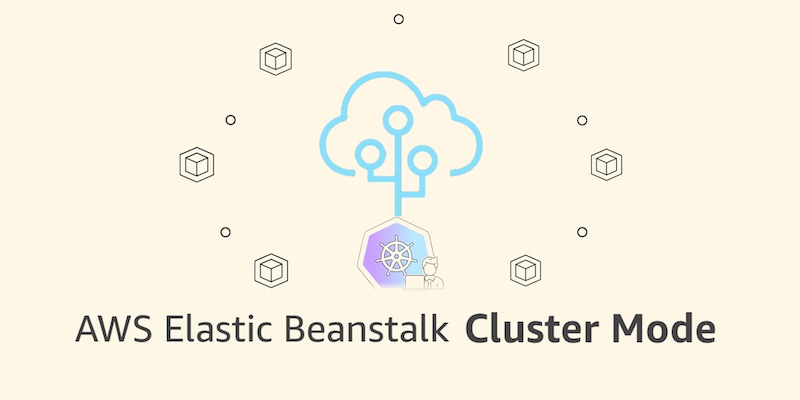
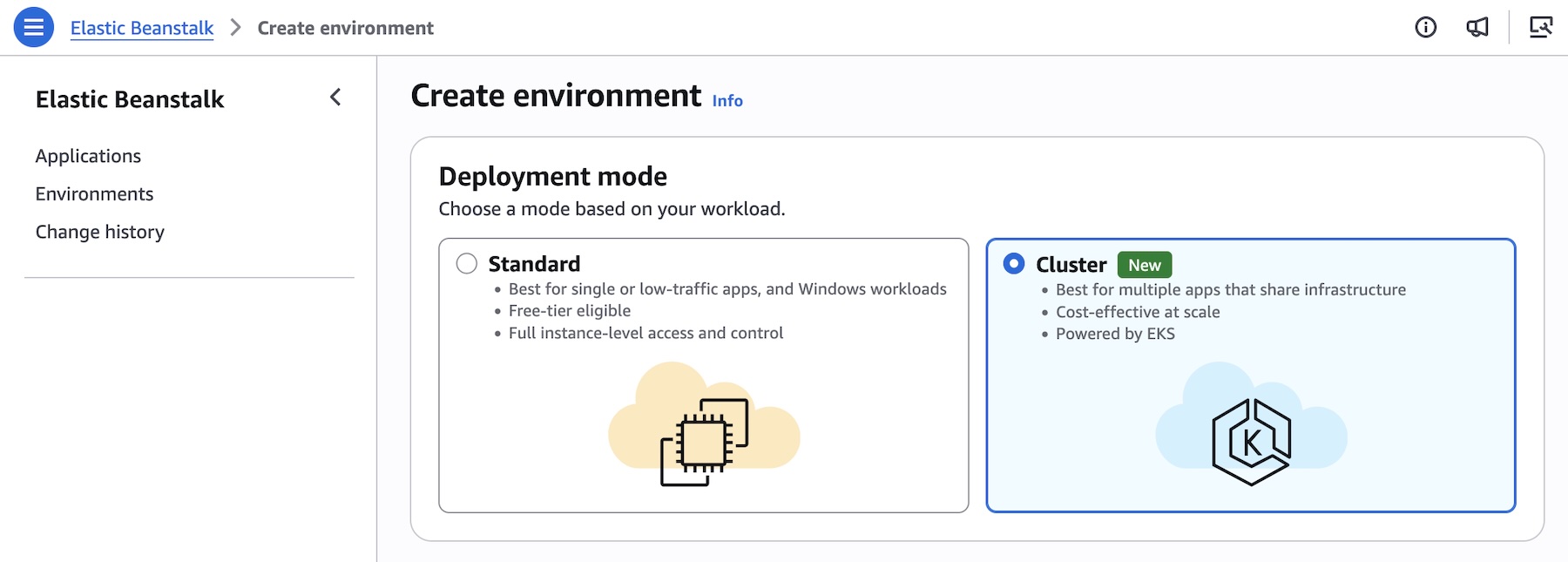
The introduction of Cluster Mode represents a strategic shift for organizations running a broad portfolio of applications. Historically, managing multiple applications often meant operating them in silos, which can lead to fragmented infrastructure and increased overhead. Cluster Mode changes this paradigm by allowing multiple applications to share a single, unified infrastructure baseline powered by Amazon EKS. This shared-resource model not only streamlines operations but also improves cost-efficiency as a company’s portfolio scales. Whether a team manages ten applications or a hundred, they can now interact with them through a single, consistent experience, ensuring uniform operational standards and security policies across every stack.

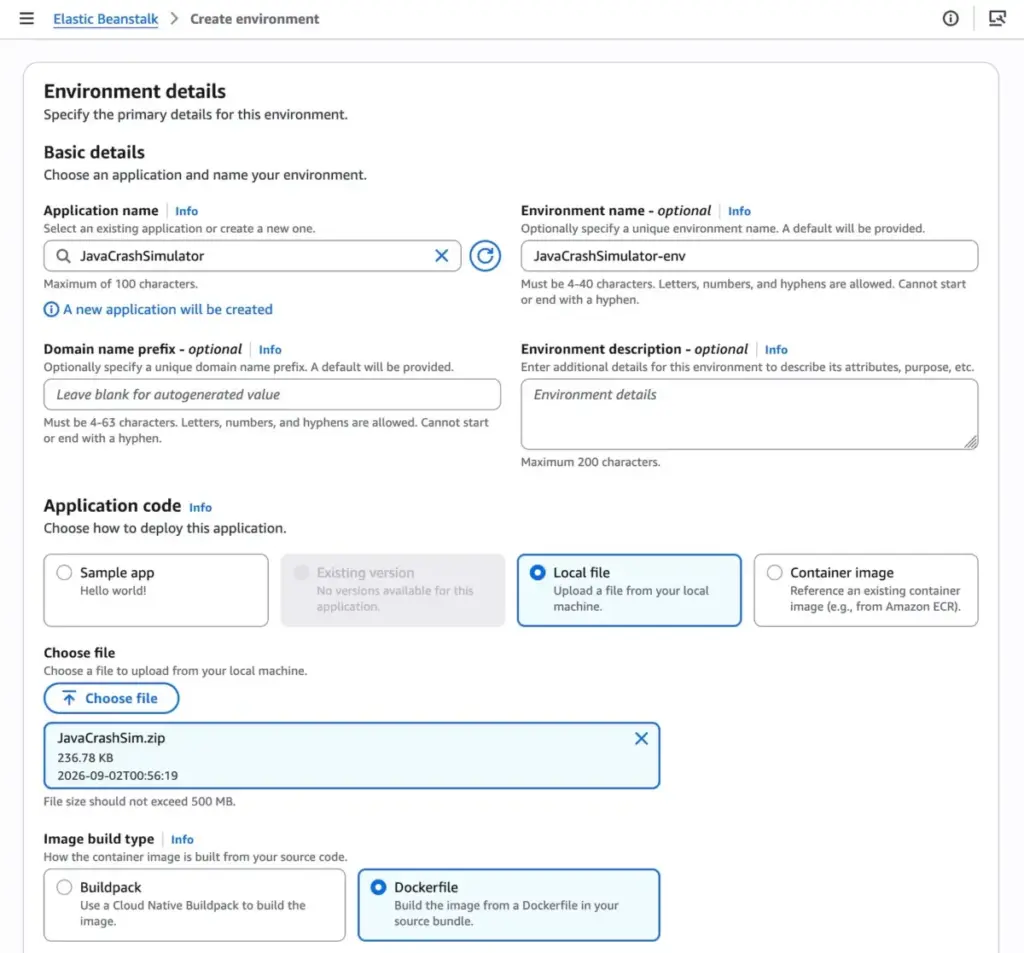
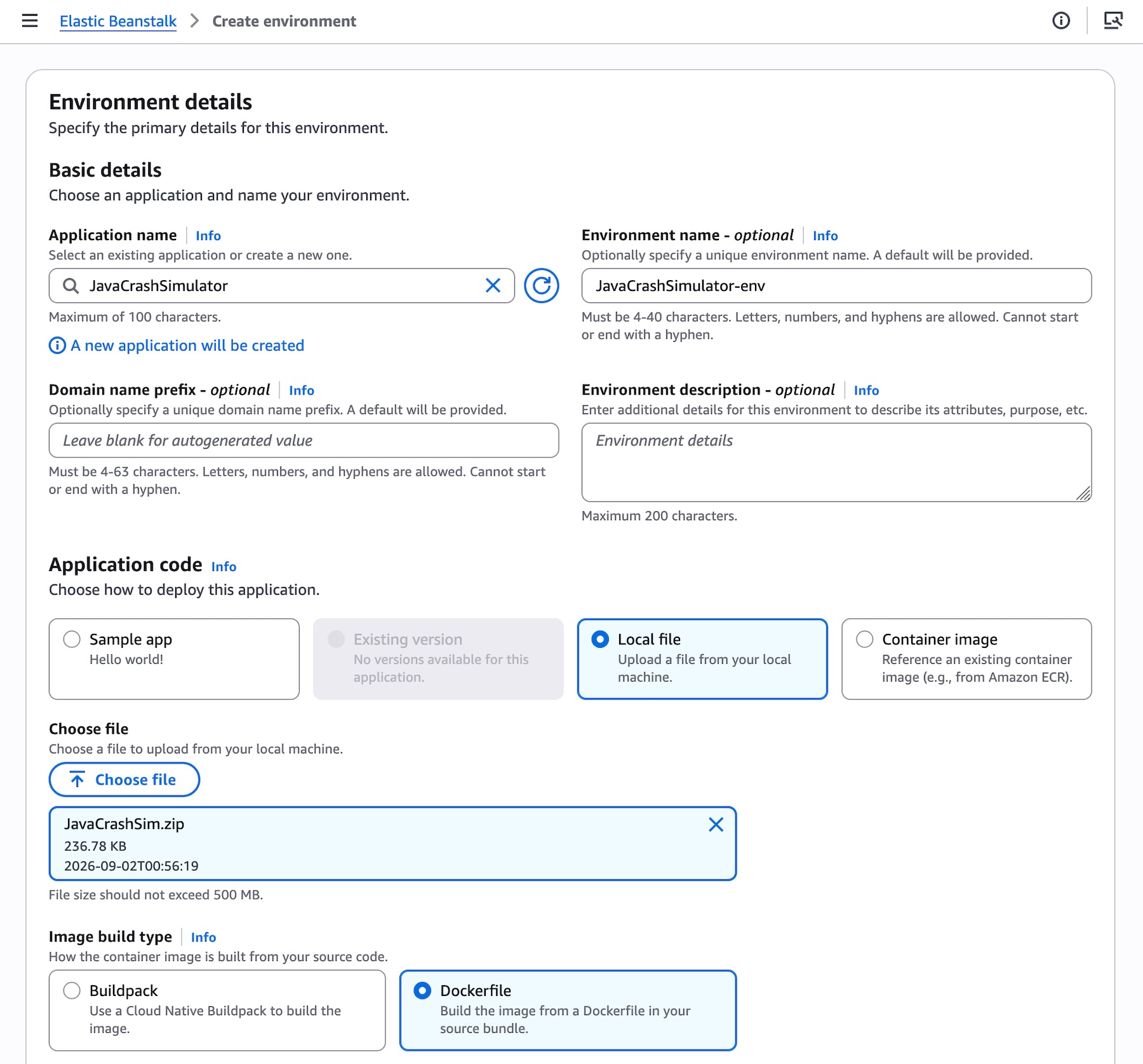
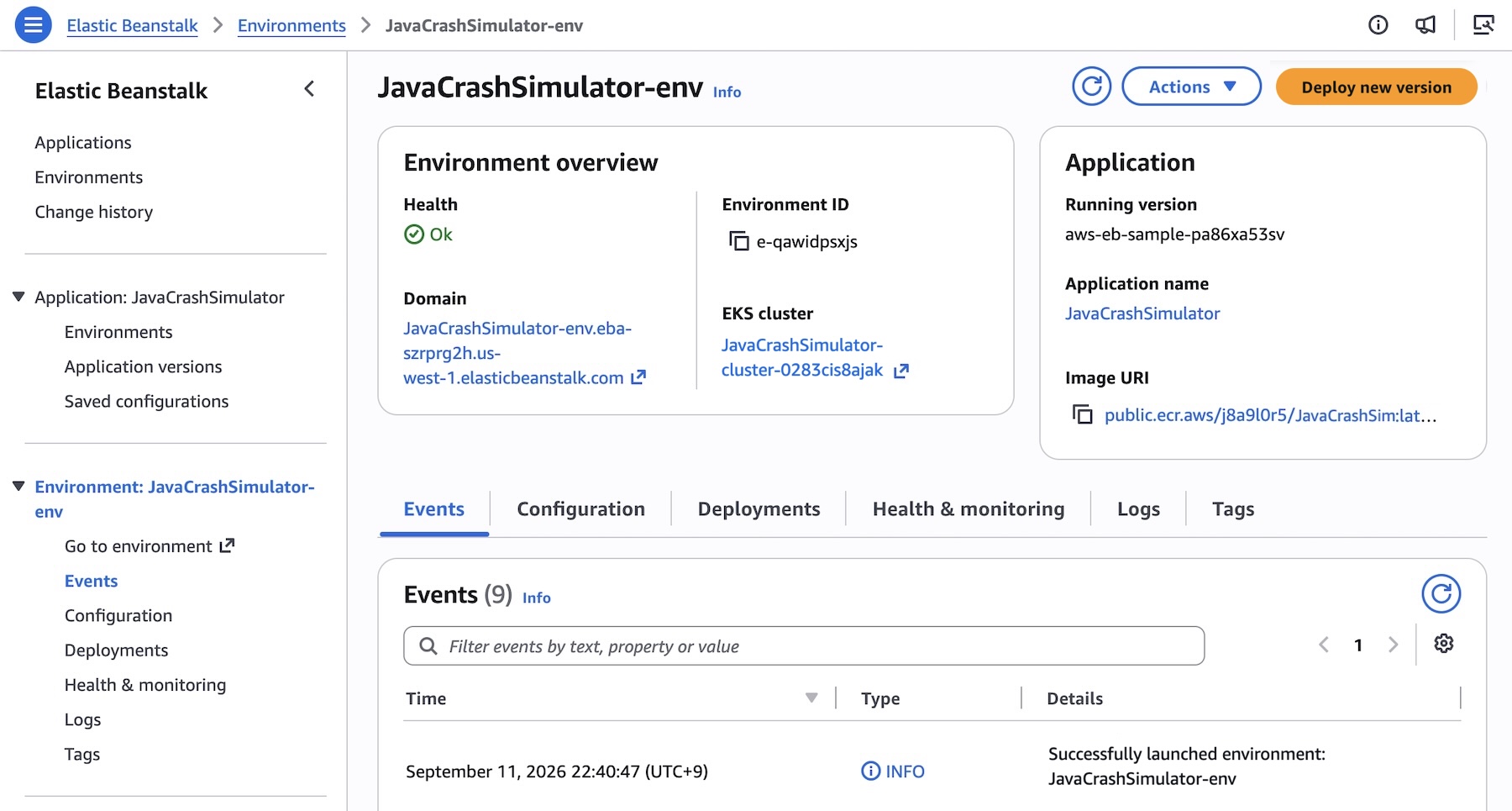
For teams ready to adopt this new architecture, the transition is designed to be intuitive. From the Elastic Beanstalk console, users can create a new environment and simply select "Cluster" as the deployment type. The service accepts various input formats—source code, Dockerfiles, or container images—providing flexibility for different development workflows. Upon selecting a local file or specifying image build options, the system handles the provisioning. While the initial deployment in a new set of subnets triggers the creation of an EKS cluster, which typically takes about ten minutes, subsequent deployments are accelerated significantly as the system reuses the existing, pre-configured cluster.
This flexibility extends to automation and programmatic control. Developers can utilize the AWS Command Line Interface (AWS CLI), the specialized EB CLI, or any of the official AWS SDKs to orchestrate their deployments. The process is particularly potent for complex microservices architectures. By defining multiple microservices as distinct application versions and registering them against a shared EKS baseline, teams can manage a distributed system with the same ease as a monolithic application. Each microservice can be configured with specific settings—such as resource allocation for CPU and memory, health check paths, or load balancer configurations—via simple JSON options files. Once these configurations are set, the environment is deployed, and the services are orchestrated within the shared Kubernetes backbone.
Crucially, AWS has ensured that this new capability does not orphan legacy systems. The original Elastic Beanstalk Standard mode, which is powered by Amazon Elastic Compute Cloud (EC2), remains fully supported and integrated. These two modes can run side-by-side within the same Elastic Beanstalk application, providing a bridge for teams that wish to migrate their environments at their own pace. To ensure a smooth transition, the system includes built-in validation checks that confirm compatibility before any changes are finalized, ensuring that no team is forced into an unwanted migration.
Standard mode remains a robust solution for specific use cases that may not require the orchestration capabilities of EKS. By keeping both options available, AWS maintains the flexibility that has made Elastic Beanstalk a preferred tool for such a wide array of customers over the last decade and a half.
The new Cluster Mode is generally available starting today in all AWS Regions where Elastic Beanstalk is currently supported. For organizations looking to integrate these capabilities into their existing automated workflows, AWS provides extensive documentation and support for tools like the AWS MCP Server and various plugins, which allow developers to query API information, troubleshoot, or check regional availability using their preferred AI-assisted development tools.
From a financial perspective, AWS has maintained a transparent pricing model for this update. There is no additional service fee for using Elastic Beanstalk Cluster Mode. Customers continue to pay only for the underlying AWS resources consumed by their applications, such as the EKS control plane, EKS Auto Mode compute, Amazon ECR, and Amazon CloudWatch logs. While this feature is not included in the AWS Free Tier, the efficiency gained through shared infrastructure often results in a lower total cost of ownership for organizations managing multiple applications.
As the industry moves toward more complex, containerized architectures, the need for managed, scalable, and reliable deployment environments has never been greater. By marrying the simplicity of Elastic Beanstalk with the power and scalability of Amazon EKS, AWS is providing a path for developers to modernize their deployments without sacrificing the ease-of-use that has defined the service for fifteen years. Teams are encouraged to explore the new functionality within the Elastic Beanstalk console and participate in the ongoing conversation regarding these updates through the official AWS re:Post community or standard support channels, as AWS continues to refine and expand the capabilities of its application management ecosystem.