










The landscape of backend web development continues to expand as JavaScript establishes its footprint far beyond the traditional confines of web browsers. To address the complexities developers face when transitioning from frontend scripting to robust server-side architecture, a comprehensive new handbook has been released focusing on the core fundamentals of Node.js and Express.js. Designed to strip away unnecessary technical abstractions, the resource offers a clear and practical pathway for creating modern applications, managing file systems, handling HTTP requests, and structuring scalable web solutions.
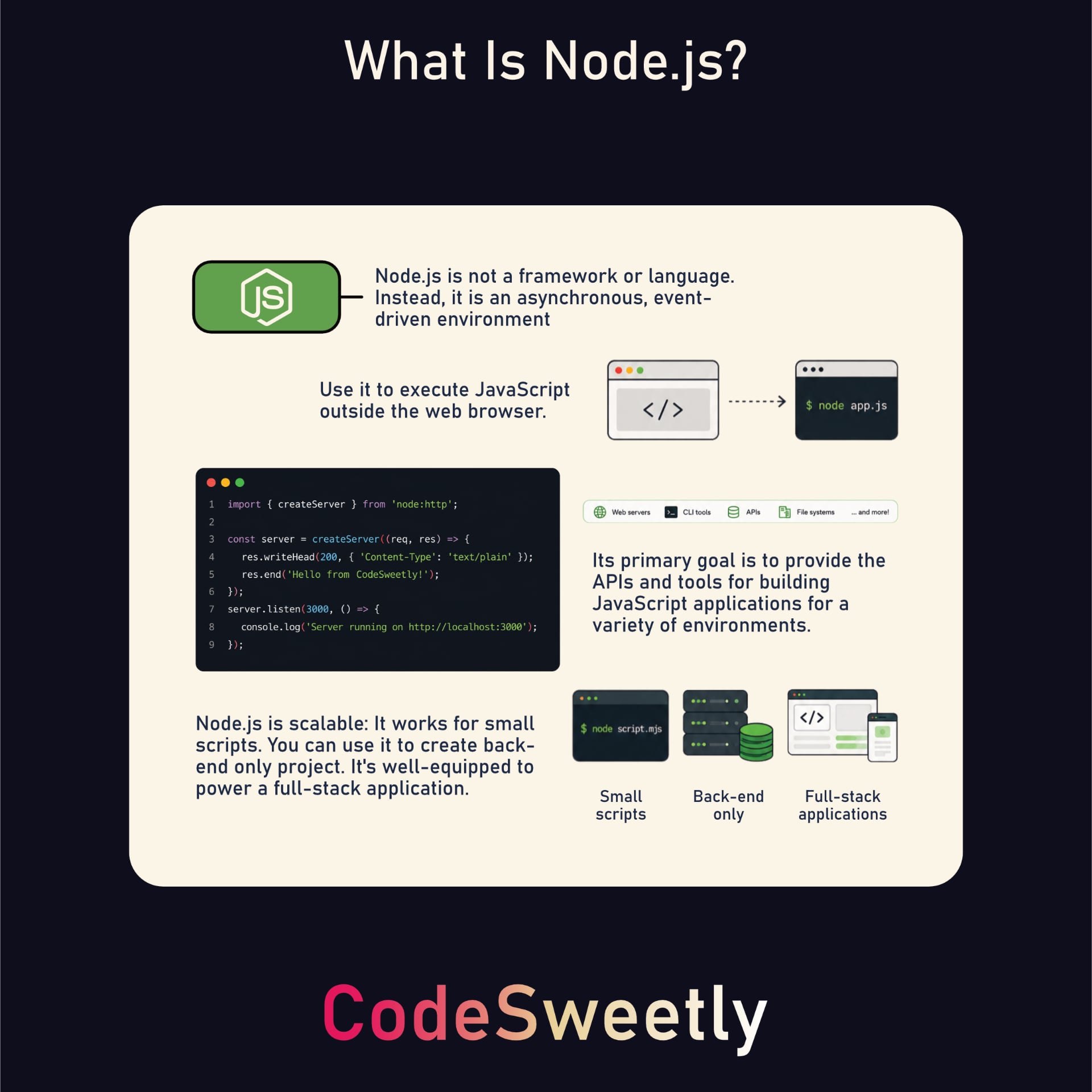
Node.js, established in 2009, fundamentally transformed the programming landscape by providing an asynchronous, event-driven runtime environment capable of executing JavaScript code outside a web browser. While this innovation opened doors for building everything from command-line scripts to large-scale enterprise backends, developers frequently encounter steep learning curves. The sheer volume of available APIs, third-party packages, tools, and competing paradigms often leaves newcomers feeling overwhelmed. The newly detailed handbook addresses this challenge head-on by concentrating exclusively on core concepts, allowing developers to build functional applications without getting bogged down in extraneous configurations.
Understanding the Runtime Environment and Module Support
At its core, Node.js is neither a framework nor a programming language; it is a specialized runtime infrastructure equipped with the essential tools required to run JavaScript in non-browser environments. By initializing a project directory and configuring a basic package file using modern node package manager workflows, developers can quickly execute standalone scripts directly from their system terminals. Furthermore, features like built-in watch modes significantly streamline development by automatically re-executing scripts whenever dependent files are updated, eliminating the repetitive manual effort traditionally required during local testing.

Modern Node.js environments also offer robust support for multiple module systems, accommodating both CommonJS and ECMAScript modules. This flexibility allows developers to structure their codebases using standard import and export syntax, aligning server-side JavaScript practices with modern frontend development standards. Whether managing local project scopes through configuration files or explicitly defining module types, developers retain complete control over how their scripts are parsed and executed across different system architectures.
Constructing HTTP Servers and Simplifying Workflows with Express.js
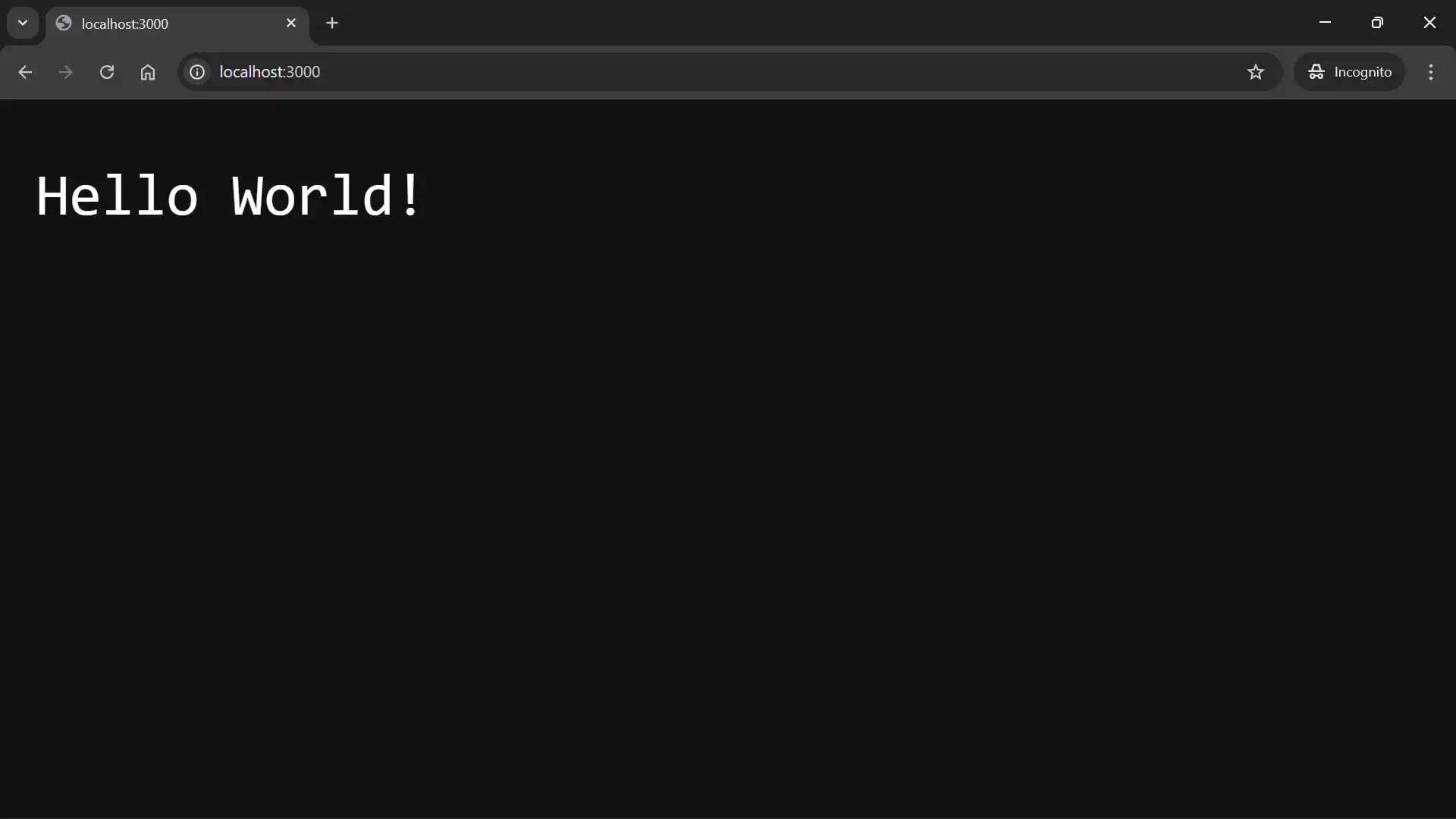
A fundamental capability of any backend environment is its ability to establish HTTP servers capable of receiving, processing, and responding to client requests originating from web browsers or external API consumers. While Node.js provides a native http module for configuring local servers, handling routing, setting response headers, and parsing incoming data manually can introduce substantial boilerplate code.
To mitigate these complexities, developers frequently rely on web frameworks such as Express.js. Express extends the native capabilities of Node.js by introducing streamlined routing mechanisms, built-in middleware management, and declarative response methods. Instead of manually inspecting request methods and uniform resource locators, developers can utilize clean endpoint definitions to manage homepage requests, return structured JSON data, and handle unmatched URLs with appropriate error responses.
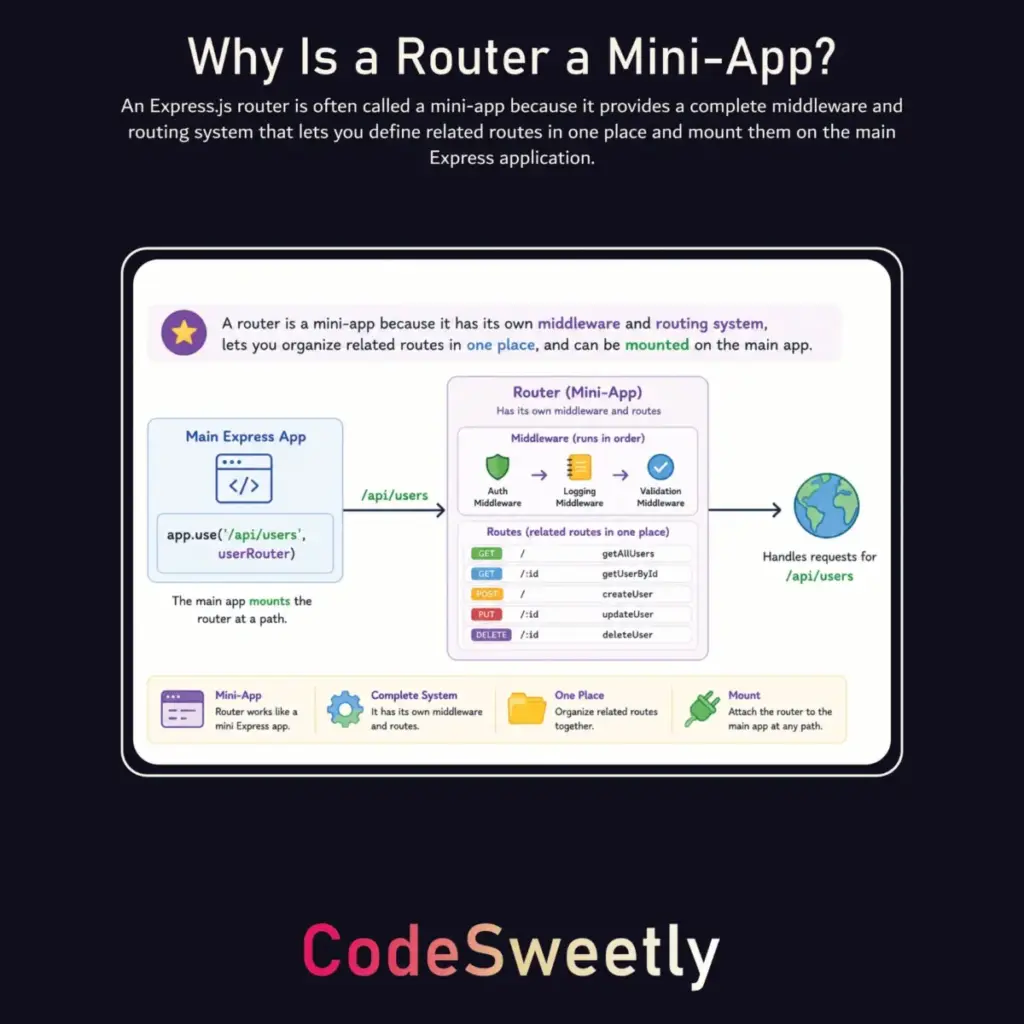
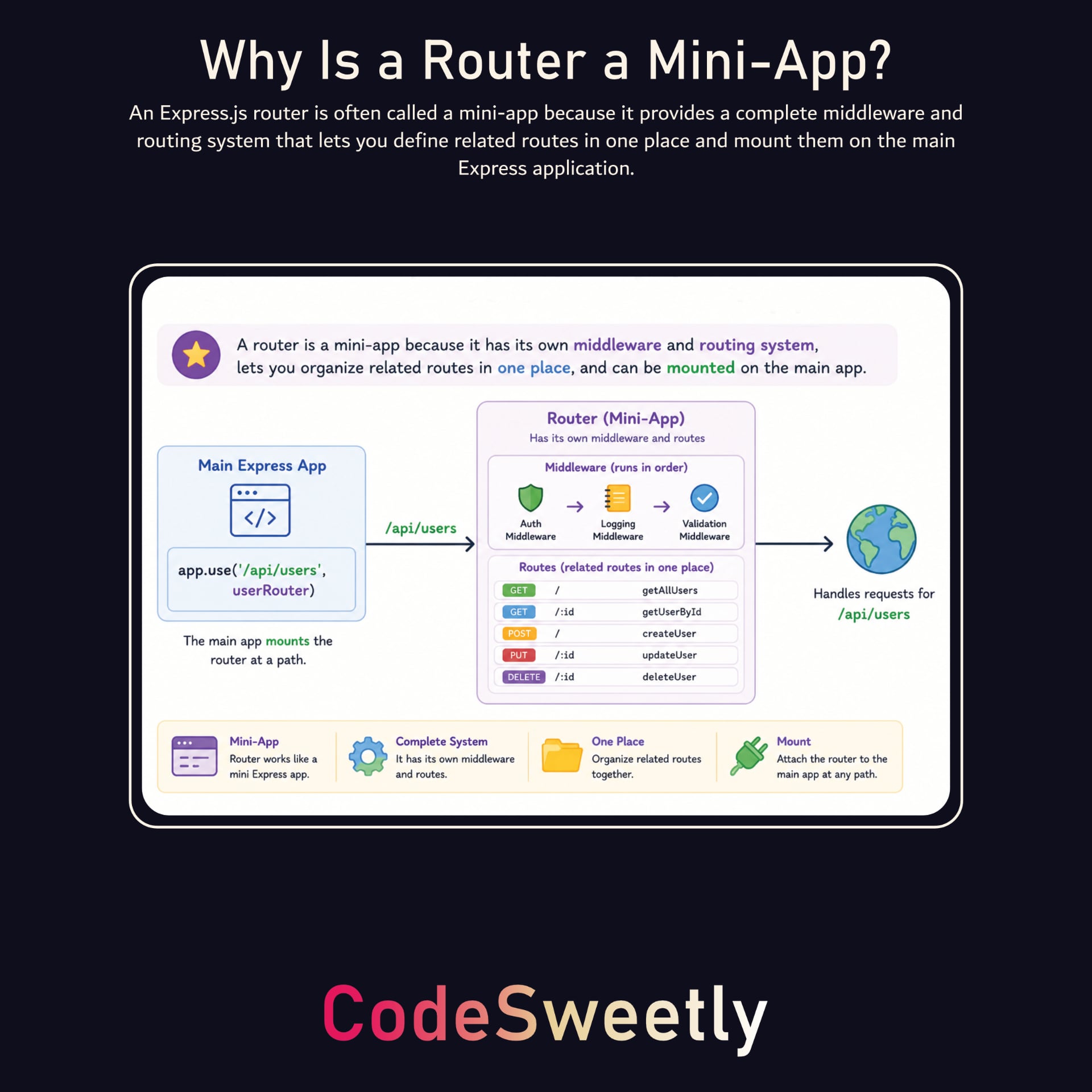
The structural benefits of frameworks become particularly evident when comparing raw server configurations to modular application designs. Express applications typically organize related endpoints and request-handling logic using dedicated router instances, often referred to as mini-apps. By separating routing logic into independent files and directories, development teams can maintain a clear separation of concerns, ensuring that applications remain modular, testable, and easy to scale as feature sets expand.
Managing Views and Dynamic Templating
Beyond handling data routing and server communication, backend applications must efficiently deliver content and structure to end users. Express.js accommodates this requirement by supporting both static HTML views and dynamic template engines. Static views involve serving pre-rendered HTML files directly from designated public directories, ensuring rapid delivery of informational pages such as homepages, contact forms, and about sections.
For applications requiring dynamic data integration at runtime, template engines such as EJS provide powerful capabilities. EJS enables developers to embed JavaScript expressions directly into HTML markup through specialized template tags, allowing servers to compile dynamic data structures—such as user lists or item inventories—into fully rendered HTML documents before transmitting them to the client. Additionally, support for reusable partial templates allows developers to maintain consistent layouts across complex web applications, minimizing code duplication for shared interface components like navigation bars and footers.
The release of these detailed structural guides provides both novice programmers and experienced frontend developers with a reliable foundation for expanding their technical skill sets. By mastering the core mechanics of Node.js environments and leveraging the organizational efficiencies of Express.js, developers are better equipped to design, test, and deploy robust web applications capable of meeting modern production demands.