Apple has officially confirmed its upcoming "Welcome Home" special event, sending out media invitations featuring a distinctive, vibrant rainbow-colored Apple logo. Scheduled for Tuesday, the event is expected to mark a significant turning point for the Cupertino-based tech giant as it prepares to enter the domestic technology and smart home space in entirely new ways. With the integration of advanced artificial intelligence through Siri, Apple is poised to challenge established market leaders like Amazon and Google, setting the stage for a competitive shake-up in consumer technology, home security, and automated living.
Industry watchers and insiders have spent the past few weeks piecing together supply chain reports, patent filings, and potential leaks to forecast what Apple might unveil. The cumulative evidence points toward a sweeping overhaul of home automation ecosystems and an expansion of how Siri AI can be utilized within residential environments. While an Apple representative did not respond to requests for comment regarding the pre-announcement rumors, anticipation remains high as analysts prepare for what could be one of the company’s most focused hardware and software pushes in years.

A Siri Smart Display at Last
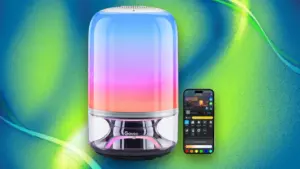
For more than a year, persistent rumors have indicated that Apple is developing a dedicated, Siri-focused smart display hub for the home, occasionally referred to in reports as a HomePad. This upcoming device is expected to rely heavily on advanced AI capabilities to compete directly with products like Amazon’s Echo Show line and the Google Nest Hub series, functioning primarily as a centralized HomeKit and Apple Home control hub.

Smart displays traditionally expand the utility of smart speakers by introducing visual interfaces, making them popular additions to kitchens, living rooms, and communal spaces. Industry reports suggest that Apple’s iteration could feature a display measuring around six inches, potentially attached to a wall mount or a swiveling base reminiscent of a HomePod speaker. Rather than relying on portable connections like USB-C, the device is expected to draw power from standard AC outlets.
By integrating elements of Apple TV and Safari, the device would provide visual access to streaming media, to-do lists, web browsing, and interactive smart home controls. While current devices like the Apple TV 4K, iPads, and standard HomePods already serve as HomeKit hubs, industry observers anticipate that Apple will introduce a bespoke user interface tailored specifically for smart displays, creating a compelling argument for consumers to integrate the hardware into their domestic networks.

Updates to the HomePod Line
Alongside speculation regarding a new smart display, reports indicate that Apple may introduce the first major updates to its HomePod smart speaker lineup in years. While some analysts suggest that reports of a standalone speaker might overlap with plans for the anticipated smart display, the possibility of a refreshed audio lineup remains strong.
If a new speaker materializes, indications point toward a revised version of the HomePod Mini. The original full-sized HomePod faced criticism for its high price point above $300, leading Apple to pivot toward the more affordable Mini format in subsequent years. Recent supply chain leaks suggest that a HomePod Mini 2 could arrive with faster internal processing chips from Apple’s S-series and fresh color options, including new shades of pink and green, expanding the aesthetic choices available to consumers.
A New Apple TV
The broader ecosystem updates rumored for the upcoming event also include a potential refresh of the Apple TV set-top box. Industry leaks point toward an upgraded model featuring a faster N1 processor, 8GB of RAM, Wi-Fi 7 connectivity, and a redesigned Siri remote.

Although the Apple TV operates primarily as an entertainment streaming device rather than a traditional home automation gadget, it plays an integral supporting role within the smart home ecosystem. With the company having last updated its streaming box lineup in 2022, a hardware refresh is considered overdue. A new model would provide the processing power necessary to support expanded Siri AI features and could potentially offer improved compatibility with newer HomePod units to establish immersive home cinema audio configurations.
Little Apple Security Cams—With No Recording
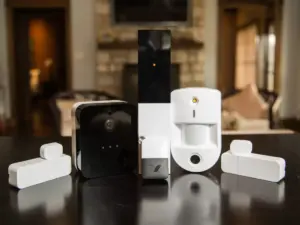
Recent reports suggest that Apple is preparing to venture into the home security market with proprietary hardware. According to insights shared by industry analysts, these upcoming devices are anticipated to be compact indoor security cameras with a notable caveat: they may not actually record traditional video streams. By bypassing continuous cloud recording and local video storage, Apple could potentially sidestep the complexities of cloud infrastructure management and eliminate the need for recurring monthly subscription fees.
Instead of storing footage, the cameras are rumored to utilize advanced presence-sensing technology and human-recognition algorithms, allowing Apple Home software to analyze video feeds in real time for descriptive alerts without maintaining permanent archives. Additional mentions of facial recognition have surfaced in connection with these reports, though industry analysts view such features as more likely tied to a separate, previously rumored doorbell camera project featuring biometric integration.

An LG Collab for a New Thermostat
Strategic partnerships may also play a role in Apple’s smart home expansion, with reports pointing toward a collaboration with LG to develop co-branded or ecosystem-compatible hardware. Among the most discussed possibilities is an Apple-friendly smart thermostat. Concept images circulating online depict a circular, minimalist design reminiscent of competing hardware like the Nest Learning Thermostat, complete with far-sight presence detection, humidity sensing, and precise temperature calibration controls.
Complementary satellite sensors designed to measure ambient temperature in specific rooms and communicate back to the primary thermostat hub are also anticipated. Such accessories align with established industry standards set by competitors like Ecobee and Nest, though Apple’s iteration is rumored to utilize simple adhesive wall mounting strips for convenient placement throughout a home. While Apple previously collaborated with LG years ago on external security camera support, those legacy products were rarely updated, suggesting that a renewed partnership would rely on a modernized strategy.
Further LG Collabs for Smart Locks and More
Beyond climate control, rumors surrounding the LG partnership extend to potential smart lock offerings. While numerous third-party smart locks currently integrate with Apple Home and support Apple Home Keys, Apple has historically avoided participating directly in the physical development of locking hardware.

Leaked product concepts suggest a distinct hardware approach, featuring a circular, twist-to-unlock exterior keypad with illuminated indicators. If Apple enters this category, it will face established competition from brands like Ring, which recently announced its own smart lock featuring Alexa compatibility and a unique mechanical charging mechanism for power preservation. Additional circulating rumors point toward an extended lineup of LG-manufactured security hardware, including video doorbells, floodlight cameras, and outdoor cameras, though industry analysts remain cautious about whether these specific designs will carry Apple branding or debut at the upcoming October event.
What Role Will Apple Intelligence Play?
Artificial intelligence integration is expected to serve as the foundational layer connecting these disparate hardware categories. Apple Intelligence will power enhanced conversational capabilities for Siri within the Apple Home application, facilitating more natural interactions across speakers, displays, and connected appliances. This intelligence layer is particularly crucial for features like AI-generated video descriptions, which analyze security feeds to provide descriptive text notifications rather than simple motion alerts. As Apple expands its software ecosystem, these AI utilities will likely govern how users monitor and interact with their domestic environments.
While rumors continue to circulate regarding broader hardware releases, such as an anticipated iPad Mini expected later in the month, industry observers emphasize that Tuesday’s "Welcome Home" event will remain tightly focused on the residential technology space. With invitations distributed and expectations set, the technology sector awaits official confirmation of how Apple intends to reshape the modern smart home.