When consumers purchase a new television today, the transaction is often viewed as a significant long-term investment. Unlike the cathode-ray tube televisions of previous decades, which were judged primarily by their hardware durability and screen quality, the modern smart TV is effectively a high-performance computer housed behind a display panel. Because these devices rely on complex operating systems, proprietary software, and integrated app ecosystems, their longevity is tied as much to digital updates as it is to the physical integrity of the display. Yet, despite the high price tags associated with premium home theater setups, there is no universal industry standard governing how long a manufacturer must support its products with software and security patches.
For the average consumer, this lack of transparency can be frustrating. A television that functions perfectly from a hardware perspective can become functionally obsolete if its operating system can no longer run modern streaming applications or if it becomes a security liability due to a lack of firmware updates. Navigating the disparate policies of various manufacturers requires a closer look at the current landscape of software lifecycles, which vary significantly by brand, model, and even geographical region.
Samsung and the Shift Toward Long-Term Commitments
The landscape of software support is currently being defined by a few major players attempting to set a new benchmark for consumer longevity. Samsung, one of the world’s largest television manufacturers, recently made a significant pledge regarding its Tizen operating system. For television models released in 2024 and beyond, the company has committed to providing seven years of software updates. This move represents a substantial shift in the industry, as it provides a clear timeline for users to expect continued functionality.
This commitment is not limited solely to the newest models; it also extends to select televisions from the 2023 lineup. For a consumer purchasing a 2024 Samsung model, this policy implies that the device should remain compatible with updated applications and receive critical firmware enhancements until at least 2031. It is important to note, however, that this seven-year window does not necessarily guarantee the installation of major, feature-rich OS upgrades. While users can expect their devices to remain secure and functional, older models may eventually be excluded from the most advanced iterations of the Tizen interface, settling instead for essential maintenance and security-focused patches as the hardware ages.
In a similar effort to provide greater clarity, LG introduced its "webOS Re:New" program in early 2024. This initiative guarantees four years of webOS updates for LG TV models manufactured from 2022 onwards. The program operates on a staggered release schedule, with updates typically arriving one year after the latest version of webOS debuts on the newest hardware. For instance, if webOS 26 launches with the 2026 TV lineup, owners of 2025-model televisions can expect to receive that specific software update a year later. This policy offers a predictable lifecycle for LG customers, though it offers a shorter duration of support compared to Samsung’s latest seven-year guarantee.
Variable Support Models and Third-Party Platforms
While companies like Samsung and LG utilize proprietary operating systems that allow for centralized control over update policies, other manufacturers take a different approach. Sony, for example, does not provide a blanket, fixed-period support policy across its entire catalog. Instead, the company manages software lifecycles on a model-by-model basis, making it difficult for consumers to predict exactly when their specific television will reach its end-of-life date.
Sony’s support page provides granular details for individual products. For example, the 2025 Bravia K-65XR80M2 OLED has an identified support end date of April 2029, while the Bravia 2 II K-65S25VM2—also from the 2025 lineup—is slated to receive security updates until June 2030. This variability stems in part from Sony’s reliance on third-party platforms. Since 2021, Sony has moved its television lineup to the Google TV platform, having previously utilized Android TV. Because the core operating system is maintained by Google, Sony’s support duration is often tethered to the compatibility and lifecycle of the underlying Android/Google TV ecosystem rather than a strictly internal, proprietary schedule.
TCL faces a similar challenge regarding predictability. While the company maintains a dedicated Software Security page, its public-facing policies are somewhat vague regarding television hardware. The company states that it "typically" provides security updates for at least two years following the initial shipment of a device model. However, this policy is not explicitly tied to televisions and may vary depending on whether the unit runs Google TV, Android TV, or the Roku TV platform. Because TCL acts as a hardware integrator for various OS providers, the responsibility for long-term software health is often shared, leading to a less transparent experience for the end user compared to manufacturers that control their own software stack.
Regional Differences and the Role of Streaming Devices
The complexity of smart TV support is further compounded by regional discrepancies. Hisense, for example, has made a strong commitment to its proprietary VIDAA operating system, pledging up to eight years of support for models in Europe starting in 2025. However, this policy does not translate directly to the North American market. In the United States, Hisense televisions often run on a variety of third-party platforms, including Google TV, Fire TV, or Roku TV. In these instances, the longevity of the device is dictated by the update policies of the OS provider—such as Amazon or Google—rather than Hisense itself.
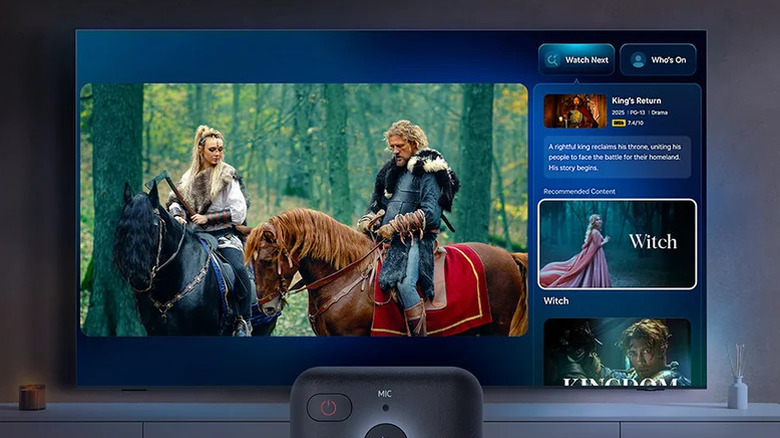
The emergence of "Smart TV" platforms as standalone products has also complicated the market. Roku, which for years served as a third-party software provider for television manufacturers, has begun producing its own branded Pro, Plus, and Select Series televisions. Because these products are relatively new, having debuted in 2023, a definitive long-term support pattern has yet to emerge. However, given that software is the core of Roku’s business model, many industry observers expect these devices to receive consistent, long-term updates. While the company does not publish official "end-of-life" dates for its hardware, the longevity of its external streaming players—some of which have remained functional for nearly a decade—suggests a potential baseline for their television hardware.
At the more budget-friendly end of the market, brands like Vizio and Insignia operate with different constraints. Vizio utilizes its proprietary Vizio OS and pushes regular firmware updates to its users, yet it remains notably silent regarding any guaranteed, long-term support window. Insignia, which utilizes Amazon’s Fire OS, offers a more predictable outlook. Because the operating system is tied to the Amazon ecosystem, these televisions are generally supported in accordance with Amazon’s own internal security update policies, which currently commit to at least four years of support for Fire TV devices.
For consumers concerned about the eventual cessation of support, there is a simple and cost-effective solution: the external streaming device. Regardless of the manufacturer’s support policy, the "smart" functionality of any television can be extended almost indefinitely by connecting a dedicated streaming box or stick. These devices are frequently updated, inexpensive to replace, and ensure that the user retains access to the latest versions of their favorite streaming applications long after the television’s internal software has been relegated to the past. While a television may lose its "smart" capabilities over time, the underlying hardware—the display and the speakers—can remain a capable centerpiece of a home theater for many years, provided the user is willing to bridge the gap with modern, external technology.