









In the digital age, the barriers to discovering global pop culture have crumbled. Enthusiasts of the medium can now easily hunt down obscure bandes dessinées, rare science-fiction serials, and long-lost magazine anthologies that were once trapped behind geographical or linguistic borders. While high-profile titles like Valerian and Laureline or Yoko Tsuno have achieved international recognition through official translations, countless other gems remain buried in the archives of history. For many, the joy of discovering a classic comic that has been largely ignored by the mainstream is akin to striking gold, often sustained only by the passion of small online communities of fan translators and dedicated preservationists.
However, newspaper comic strips often face a steeper uphill battle. Frequently treated as disposable entertainment compared to the more prestigious format of the graphic novel, these daily or weekly strips rarely break out of their regional markets. While a select few—such as the perennial British staples Andy Capp and Fred Basset—have managed to transcend their origins and outlive their original creators, the vast majority of adventure strips are forgotten within a generation. Even those that achieved immense popularity in their home countries, like the original British Dennis the Menace (which debuted in The Beano in 1951, mere days before its American counterpart appeared), struggle to gain a foothold across the Atlantic.
Among these neglected treasures is Modesty Blaise, the legendary adventure comic created by the late Peter O’Donnell. Despite its status as a cornerstone of the genre, Modesty Blaise remained virtually unknown to the vast majority of American readers throughout its original newspaper run, which spanned from May 1963 to February 2001. While the strip maintains a devoted, multi-generational following across much of the globe, its footprint in the United States was famously faint. It was only intermittently carried in American newspapers, and when it was, the reception was often cautious. Industry observers frequently attribute this to the strip’s frank approach to sexuality; Modesty’s frequent nude scenes were considered too provocative for the conservative editorial standards of mid-century American newspapers. Even the Detroit Free Press, one of the few U.S. papers to host the strip, was known to censor specific panels to avoid offending its readership.

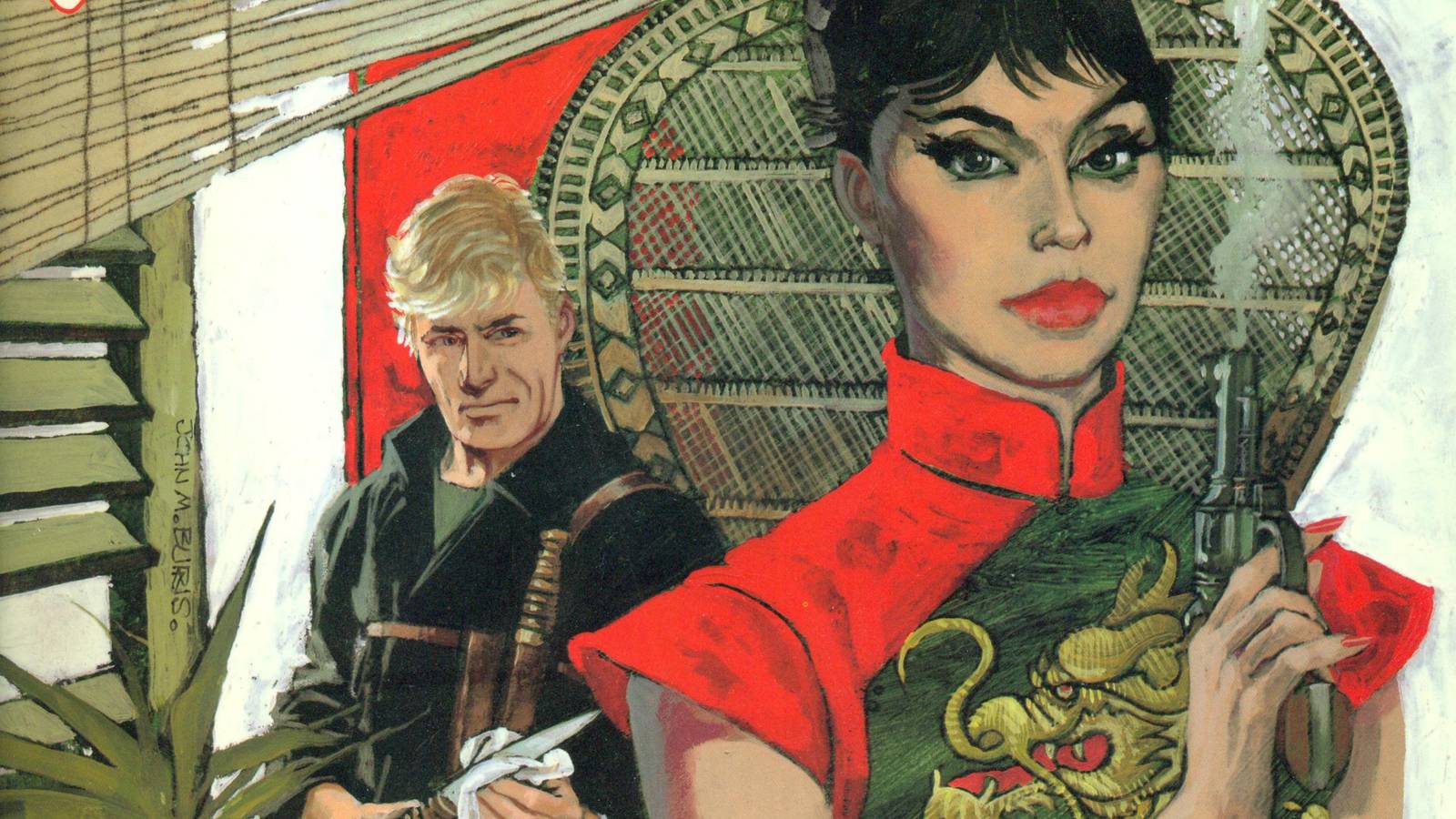
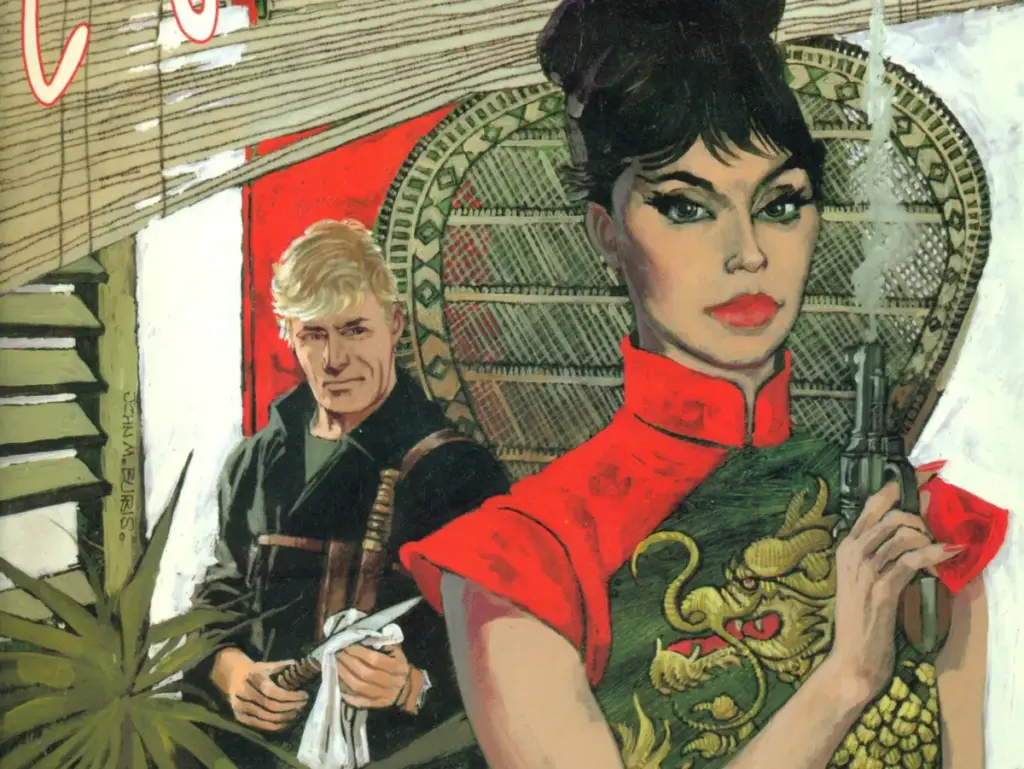
For those few Americans who were aware of the character, their introduction to the world of Modesty Blaise was more likely to come from Peter O’Donnell’s series of novels or the polarizing film adaptations rather than the source material. The 1966 Modesty Blaise film, a campy, surreal production starring Monica Vitti and Terence Stamp, was a notable box-office failure, though it eventually secured a cult following. This legacy of "camp" eventually led to the 2004 production of My Name is Modesty, an executive-producer project for Quentin Tarantino that shared little more than the title with the source material.
Despite this disjointed legacy, the original Modesty Blaise newspaper strips remain a masterclass in the format. While modern readers may find that certain storylines have aged better than others, the work stands as a definitive adventure comic of the 20th century. For those who have never encountered the original strips, or who are too young to have followed them during their initial run, the series is now fully accessible. Between 2004 and 2017, Titan Books published the entire run in 27 high-quality paperback volumes. These collections are still in print, serving as a vital resource that includes commentary from O’Donnell himself and rare behind-the-scenes insights. For fans of spy thrillers, crime dramas, and character-driven capers like Leverage, Modesty Blaise offers a sophisticated and thrilling experience that rewards close reading.
Magnets for Trouble
The character of Modesty Blaise was, in the words of her creator, "born walking." Her origin is a tragic tale of a post-World War II refugee wandering the Middle East, possessing no knowledge of her heritage, nationality, or parents. Her journey took her to Tangier, where she eventually rose to control a local gang, transforming it into "the Network"—a sprawling, international organization of anti-heroic criminals. Under Modesty’s leadership, the Network operated with a specific moral code: while they were not above grand larceny or high-stakes corporate espionage, they were fiercely opposed to the more heinous elements of the criminal underworld, frequently dismantling drug rings and human trafficking operations that crossed their path.

After securing her fortune and obtaining British citizenship, Modesty transitioned into a life of relative leisure in London, accompanied by her indispensable right-hand man, Willie Garvin. Both characters are exceptionally wealthy, well-traveled, and highly trained in the arts of theft, espionage, and martial combat. Modesty is a marksman of the highest order, while Garvin is a virtuoso with throwing knives. These traits, combined with their restless spirits, make them irresistible targets for British intelligence agencies, which frequently recruit them as freelance "troubleshooters" for missions that require a delicate—or occasionally explosive—touch.
A hallmark of the series is the pair’s propensity for finding trouble, whether they seek it out or it finds them. O’Donnell crafted a narrative style similar to the modern "Jack Reacher" archetype, where the protagonists are constantly bumping into old friends or helping strangers in dire need regardless of where they are on the map. A standout example occurs in "The Stone Age Caper," where Willie, finding himself lost in the Australian outback, happens upon the one Aboriginal Australian he happens to know personally. It is a recurring, pulp-fiction trope that adds a sense of world-building and history to the protagonists’ wanderings.
Structurally, the strip is divided into 95 distinct storylines, rooted deeply in the Cold War era. These arcs often pitted the duo against shadowy Communist organizations like "La Machine" or elusive adversaries in plots such as "Top Traitor" and "The Wicked Gnomes." Other adventures saw them tangling with small-time con artists or formidable crime syndicates. One of the series’ greatest strengths is its restraint; the stakes are often intimate and personal. Modesty is rarely trying to save the world; she is usually fighting for vengeance, survival, or a specific brand of justice, which keeps the narratives grounded and emotionally resonant.
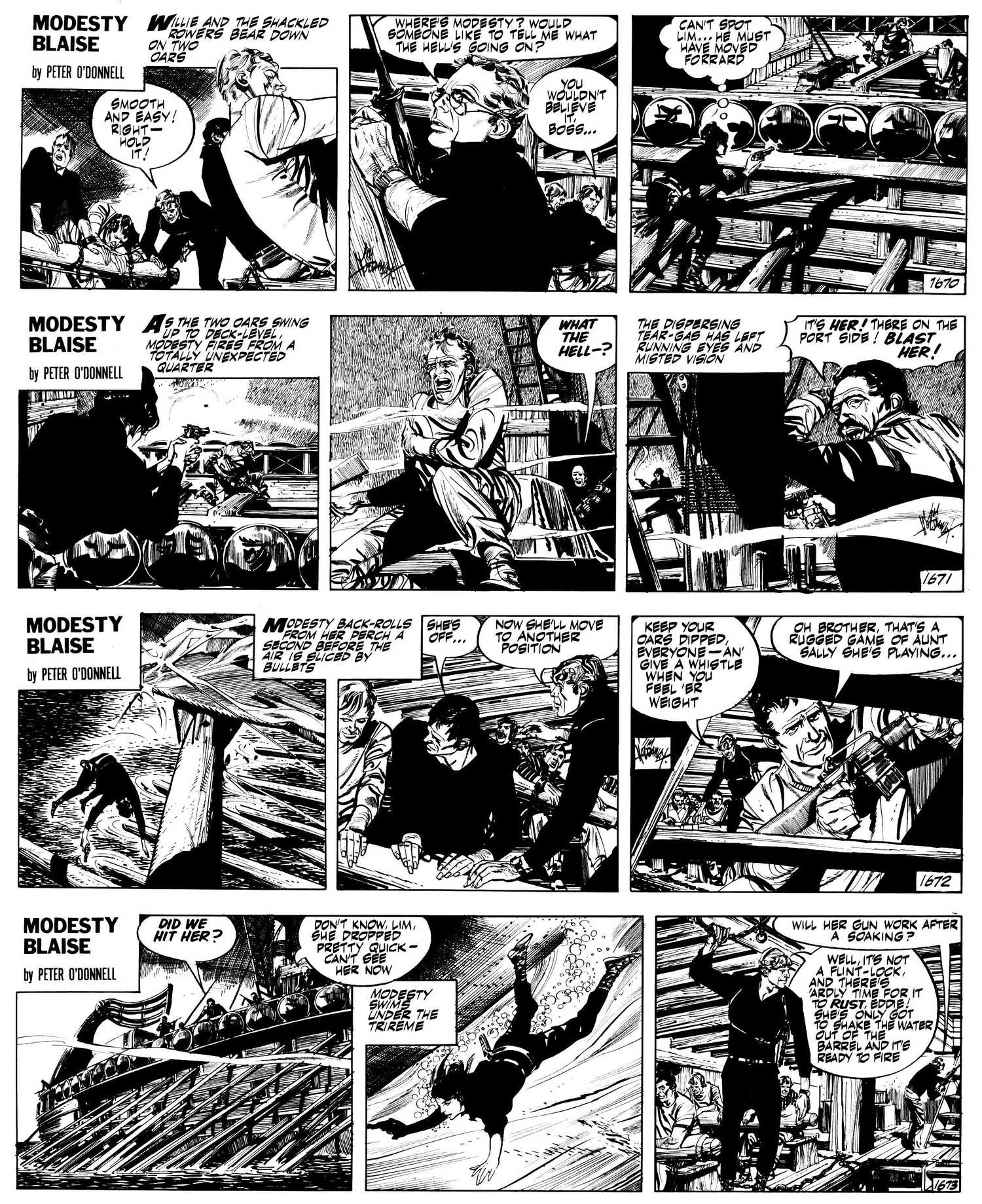
The artistic evolution of Modesty Blaise is also a study in the history of comics. The original artist, Jim Holdaway, was instrumental in defining the look of the series until his sudden death in 1970. His ability to convey complex action within the rigid, small-panel constraints of a newspaper strip remains a benchmark for the medium. Following Holdaway, the Spanish artist Enrique Badia Romero took over, bringing his own distinct, economic storytelling style that proved to be a perfect successor. Throughout the decades, other notable talents contributed to the strip, including John Burns, the newspaper cartoonist Neville Colvin, and even a brief stint by Private Eye contributor Pat Wright.
Holdaway and Romero, in particular, possessed an incredible knack for "economic storytelling." They could distill a sequence of movement, tension, and resolution into three panels that many contemporary artists would struggle to fit onto an entire page. This efficiency made the strip a genuine thrill to read, allowing O’Donnell’s sharp, witty dialogue to shine alongside the visual action. For anyone interested in the mechanics of sequential art, the work of Holdaway and Romero remains a mandatory study in how to maximize visual impact with minimal space.
Of course, the series is not without its historical baggage. Reading Modesty Blaise in 2026 is an exercise in viewing a specific, bygone era. Readers will occasionally encounter now-obsolete technology serving as the centerpiece of a plot, such as the use of portable cassette players or ham radio equipment, which feel charmingly retro today. More importantly, the series is a product of its time. While it was often remarkably progressive for its era—frequently positioning Modesty and Willie as defenders of marginalized groups against systemic racism and bigotry—it occasionally utilized language or portrayals that have aged poorly.
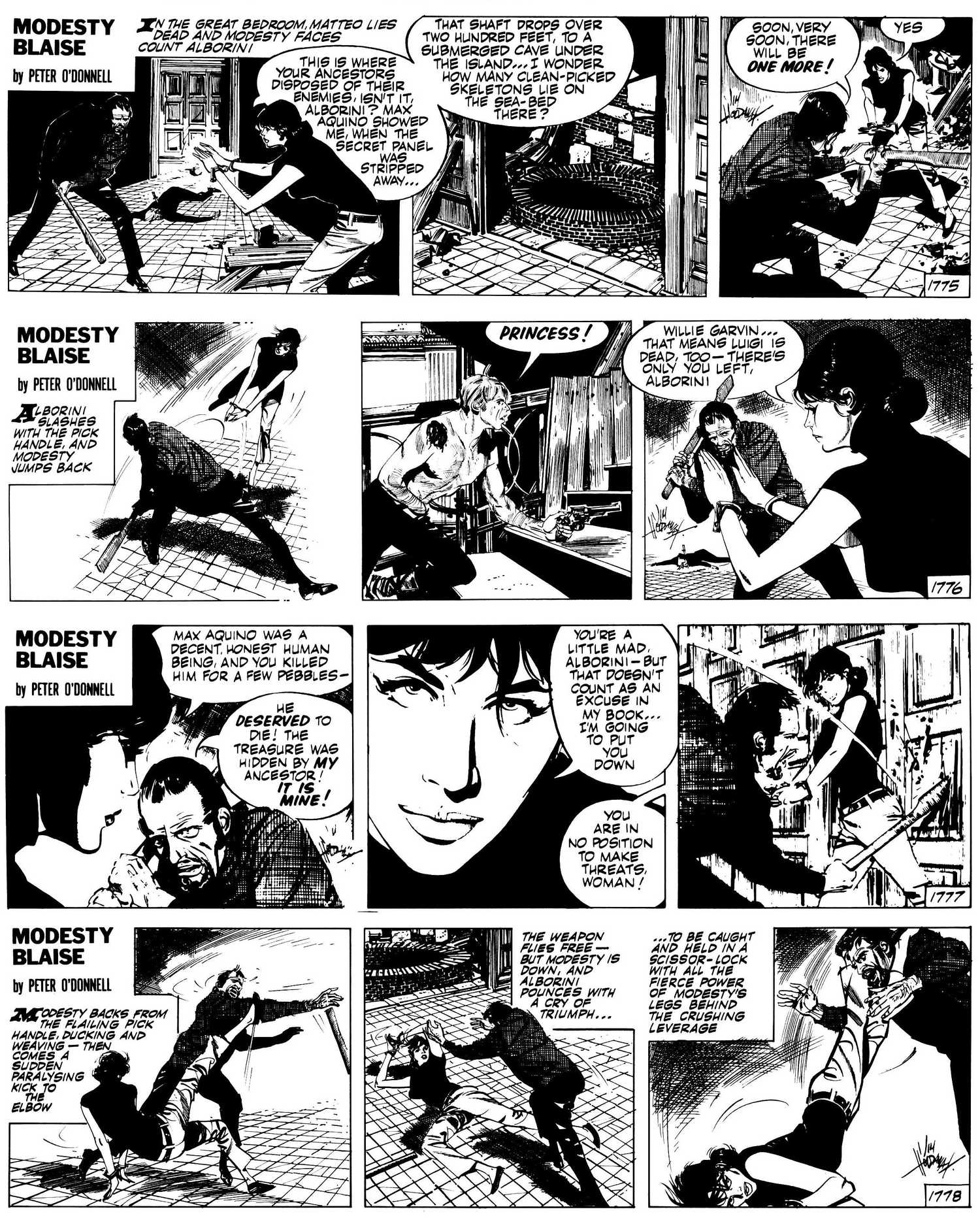
The complexity of this legacy was highlighted as recently as 2020, when a reprint of the 1971 story "The Stone Age Caper" was pulled from an Australian newspaper due to a villain’s racist rhetoric. Such moments serve as a reminder that the strip, like much of the literature of the 20th century, must be approached with a modern eye for historical context.
Despite these caveats, Modesty Blaise remains an essential read for anyone who appreciates the art of the serial adventure. It is a work of immense craft, wit, and danger that captures the spirit of a vanished era of newspaper journalism. For those who grew up missing out on this "fabulous, feminine answer to James Bond," the high-quality collections from Titan Books offer the perfect entry point into a world of espionage, friendship, and high-stakes adventure. It is, quite simply, one of the best comics you have likely never heard of.