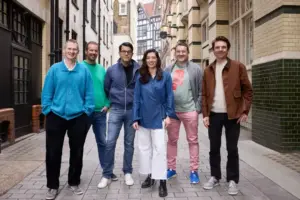








In a significant signal of maturing confidence in the European venture ecosystem, operator-led investment firm Plural has successfully raised €1 billion ($1.1 billion) in new capital. This substantial injection of funding positions Plural as a central player in a growing wave of large-scale European funds, joining an elite cohort that includes notable vehicles like Mundi Ventures’ Kembara fund and the EQT-managed Scaleup Europe Fund. By securing this capital, Plural is not merely expanding its balance sheet; it is reinforcing a thesis centered on the necessity of high-conviction, long-term backing for the continent’s most ambitious technological endeavors.
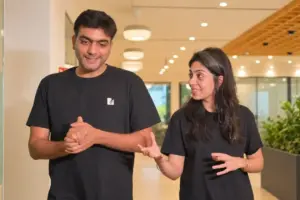
Despite the impressive scale of the fundraise, the capital is not intended solely for late-stage growth equity. According to Plural partners Khaled Helioui and Carina Namih, the firm has structured the €1 billion into two distinct, fixed buckets. Two-thirds of the total capital is earmarked for the firm’s third early-stage fund, continuing its foundational focus on the earliest chapters of a company’s lifecycle. The remaining one-third has been designated as an “opportunities” fund, which will be utilized for select follow-on investments, allowing the firm to maintain its position in high-performing portfolio companies as they scale and require increasingly larger capital rounds.
While these two allocations remain fixed in their purpose, the check sizes deployed by Plural are intentionally fluid. Namih emphasized that the firm remains deeply committed to its identity as an early-stage investor, but the nature of the startups they back is evolving. Helioui noted that the “moonshot” ventures the firm targets—companies aiming for fundamental breakthroughs in fields like energy, AI infrastructure, and defense—often require substantial, multi-hundred-million-euro investments just to transition from conceptualization to meaningful operational reality.

The term “moonshot” is far from hyperbolic when looking at Plural’s recent portfolio activity. The firm has staked its reputation on high-stakes, high-impact companies such as Proxima Fusion, which is working on advanced nuclear energy solutions, and The Exploration Company, an ambitious firm positioning itself to challenge incumbents in the space sector. These investments highlight a clear shift in the European startup narrative: capital-intensive, hardware-heavy, and scientifically complex ventures are no longer viewed as outliers. Instead, they are becoming the centerpiece of a new European industrial strategy.
Helioui, who notably backed the seed round of Daniel Ek-backed defense tech powerhouse Helsing alongside other Plural partners, argues that such companies are becoming common rather than isolated cases. He suggests that the composition of the entrepreneurial pool in Europe is shifting. "If you’ve built and scaled a company, chances are, you’re more likely to be driven and passionate about having an impact on Europe’s ability to defend itself, procure its own energy, or own its operations and manufacturing, rather than just another app," Helioui said. This trend toward sovereignty and resilience has created favorable tailwinds for Plural, allowing the firm to double down on sectors that require both immense patience and significant financial backing.
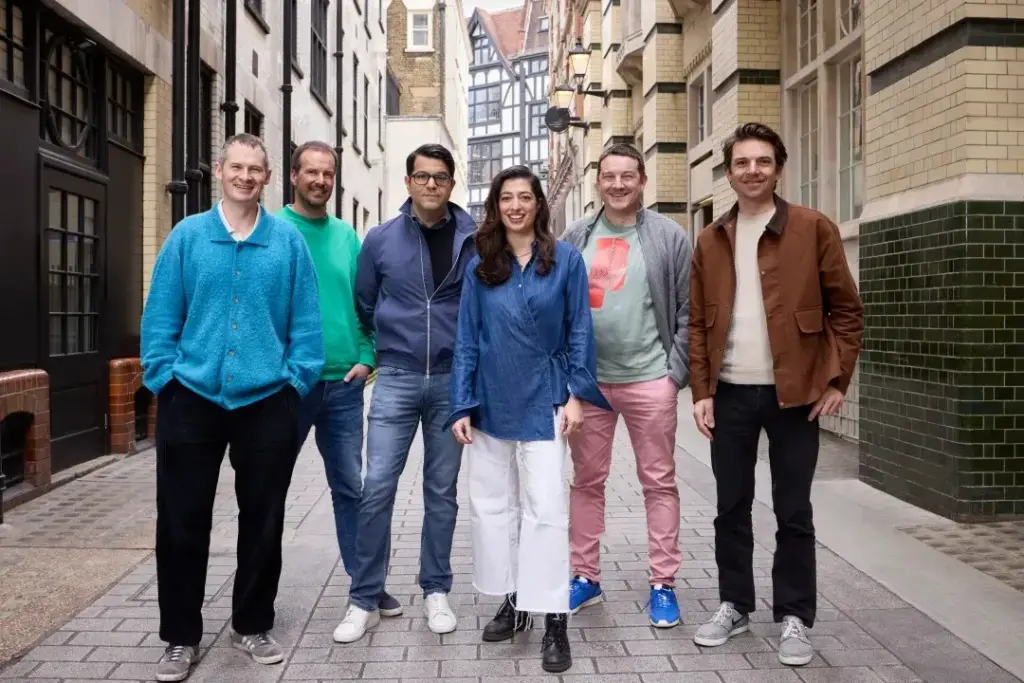
A critical component of this strategy is the firm’s geographic positioning. Plural’s office in Tallinn, Estonia, has played a pivotal role in shaping its perspective on defense and security. With two of its six partners—Wise co-founder Taavet Hinrikus and Teleport’s Sten Tamkivi—being Estonian, the firm has maintained a front-row seat to the geopolitical pressures defining modern Europe. This proximity to the region’s security challenges influenced the firm’s decision to back companies like Hypersonica, a missile technology firm.
Helioui highlighted that the urgency of these investments is often perceived differently depending on one’s proximity to geopolitical friction points. "The reality is today still, you have a different level of conversation and a different sense of appreciation of the urgency and the criticality of these topics depending on how far from the border to Russia you are," he remarked. By bridging these regional insights with a presence in London and Paris, Plural is attempting to build a pan-European investment vehicle that understands both the strategic requirements of the continent and the financial rigor required to compete on a global stage.
The firm’s expansion into Paris, marked by the appointment of former Uber executive Pierre-Dimitri Gore-Coty as a full-time partner in October 2025, further signals its intent to integrate into the heart of the European tech scene. Beyond the headline figures of the fundraise, the structural approach to supporting founders is evolving to mirror the high-touch, operator-focused models common among top-tier U.S. venture firms.
According to the firm, each partner will lead only a small number of new investments annually. This deliberate constraint ensures that the firm’s partners can remain deeply involved with the companies they support. Portfolio startups gain access to a broad suite of support services ranging from executive hiring and financial strategy to complex communications—a model of "operational VC" that is gaining traction across the Atlantic.
This evolution in support is emblematic of a broader maturation in the European venture landscape. For years, European institutional limited partners (LPs) were hesitant to back funds led by entrepreneurs, preferring the traditional, banker-led approach to venture capital. Plural, founded by individuals who have navigated the challenges of building and scaling global companies, represents a clear challenge to that status quo. By proving that founders are the most capable of identifying and nurturing the next generation of founders, Plural has managed to attract significant domestic capital, with Namih noting a concerted effort to source a larger portion of this fund from European LPs.
The success of this €1 billion raise is not just a milestone for Plural; it is a barometer for the European ecosystem’s ability to retain and fund its most promising talent. As these companies grow, they no longer need to look exclusively toward Silicon Valley or East Asia for the massive capital injections required to reach global scale. With firms like Plural now armed with significantly larger war chests, the infrastructure of European venture capital is becoming increasingly self-sufficient.
As the firm begins to deploy this new capital, the market will be watching closely to see how its “moonshot” portfolio develops. The combination of early-stage agility and the ability to provide substantial follow-on funding creates a unique bridge for companies that were previously forced to navigate the "valley of death" between initial venture funding and major industrial-scale expansion. For Plural, the mission remains consistent with its origins: to build a platform that doesn’t just fund innovation, but actively participates in the construction of a more sovereign, resilient, and technologically advanced Europe. Whether in the depths of fusion research, the rigors of space exploration, or the complexities of modern defense, Plural is positioning itself to be the partner of choice for those who believe that Europe’s most important work is still ahead of it.