










What exactly constitutes "great" game direction? It is a question that continues to haunt the industry, yet every time we pose it to those sitting in the director’s chair, the answers are as varied as the titles themselves. There is no singular manual for success in interactive media, a fact that remains one of the most compelling aspects of the medium. To pull back the curtain on this often-misunderstood art form, we recently sat down with the creative visionaries behind some of the most ambitious and critically acclaimed games of 2026 to discuss the delicate, often volatile equilibrium between high-level artistic vision, the cold realities of technical execution, and the ultimate necessity of the player experience.
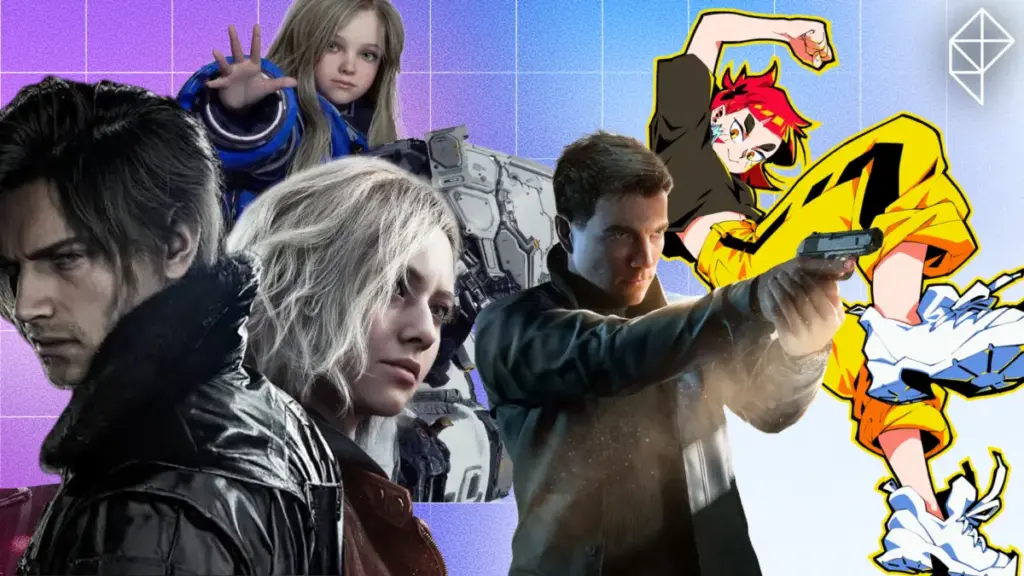
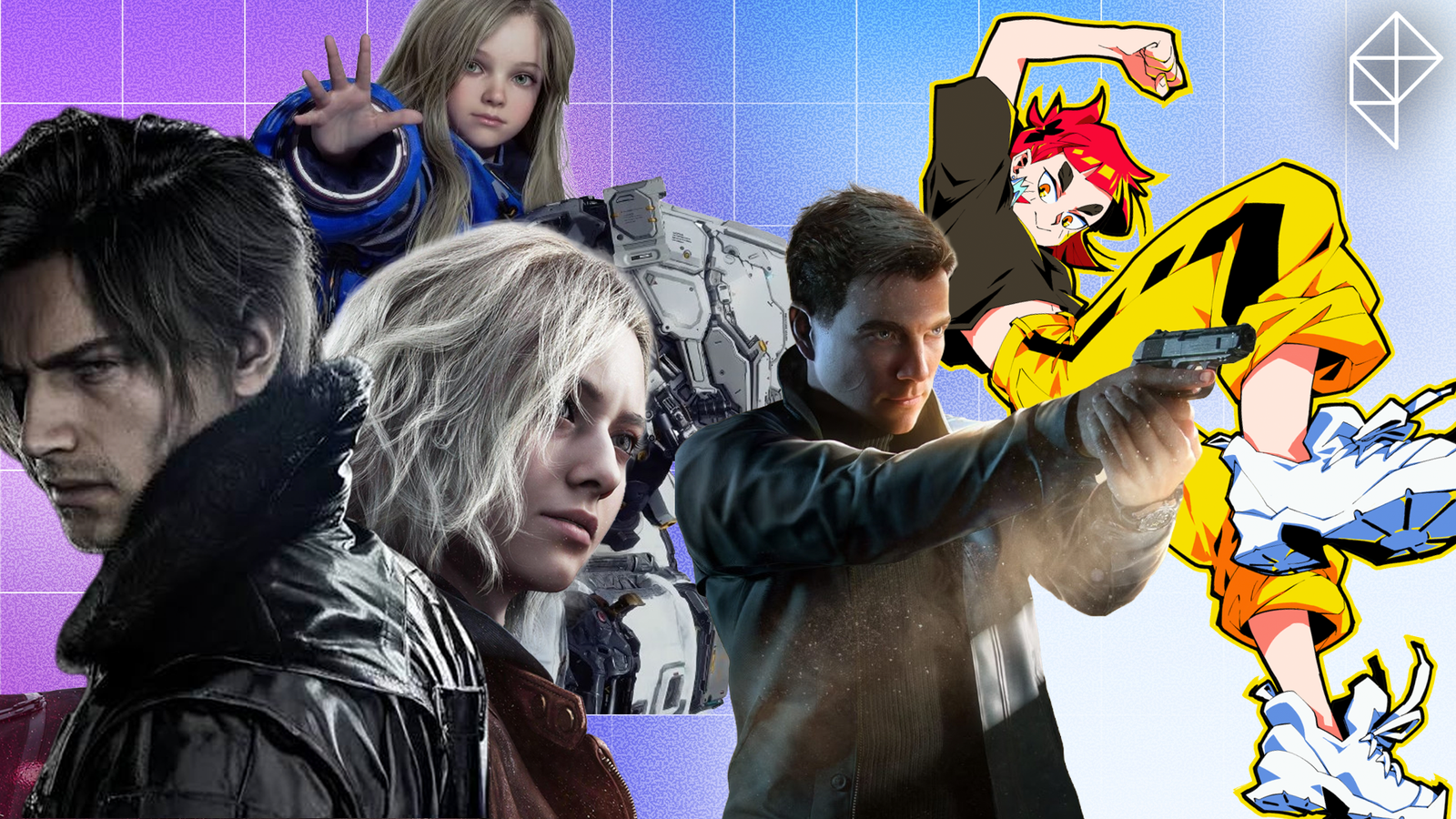
When the average player thinks of "game direction," their mind often drifts toward the cinematic blockbusters—the AAA experiences where the director’s hand is heavy, visible, and deliberate, punctuated by sweeping cutscenes and carefully choreographed spectacles. However, the true beauty of video games lies in the fact that excellence is not confined to one aesthetic or scale. To illustrate this, we assembled a roundtable of the minds behind the year’s defining projects, including Resident Evil Requiem, Queen’s Domain, Control: Resonant, Denshattack, and 007: First Light. Together, they offered a rare glimpse into the alchemy required to transform a collection of disparate ideas into a definitive Game of the Year contender.
The Conflict Between Originality and Execution
For many in the industry, the director’s primary duty is to push the boundaries of what is possible, often by carving out a niche that has been left untouched by predecessors. Mikael Kasurinen, the director of Control: Resonant, approaches the craft with a philosophy rooted in bold differentiation. "You need to be distinctive," Kasurinen argues. "You need to be doing things that nobody else is doing." This drive for uniqueness is the engine that powers many of the industry’s most experimental titles, where the goal is to expand the vocabulary of gaming rather than simply refining an existing dialect.

Yet, this is not the only path to greatness. For other creators, the pressure to be "different" is a distraction from the more foundational task of quality. Eric Berger, the creative lead behind the indie hit Queen’s Domain, offers a striking counterpoint to the pursuit of novelty. "I don’t want to spend a lot of time figuring out how to make it special and different," Berger explains. "I just want to make every aspect of it as good as we can figure out how to make it." For Berger, the director’s role is closer to that of an obsessive perfectionist—honing, polishing, and refining the core loop until it shines, regardless of whether the underlying mechanics are revolutionary or familiar.
Then there is the third path: the "what if" approach, where a game is born from a premise so absurd it demands to be made. David Jaumandreu, the director of Denshattack, serves as the perfect example of this creative spark. The concept for his game began with a question that felt more like a fever dream than a design document: what would happen if you applied the high-octane, trick-based mechanics of Tony Hawk’s Pro Skater to a massive, industrial train? It is an approach that prioritizes the visceral thrill of a core concept over traditional narrative structures or genre conventions, proving that a strong enough hook can carry a project to success.
Balancing Vision with Player Reality
Regardless of the philosophy—whether it is Kasurinen’s push for total originality, Berger’s focus on execution, or Jaumandreu’s conceptual curiosity—all these directors face the same daunting challenge: how do you maintain a singular, uncompromising vision while remembering that, at the end of the day, a human being has to sit down and actually enjoy playing the thing?
This struggle is the central tension of modern game development. It is a constant negotiation between the creator’s ego and the player’s agency. During our wide-ranging discussion, it became clear that these ambitions often survive contact with reality only through a series of painful, necessary sacrifices. The scale of this challenge is not always tied to the size of the team, though the dynamics change significantly depending on the resources available.
For a two-person team like the one behind Queen’s Domain, the challenge is one of focus. When you are building a strange, interconnected world, every asset, line of code, and narrative beat must serve the core vision, because there is no room for bloat. Conversely, for a massive operation like Capcom, the challenges of directing Resident Evil Requiem involve balancing the delicate tonal shift between pure survival horror and high-stakes action. It is a balancing act of pacing, resources, and player psychology that requires a completely different set of management skills.
The conversation also touched on the invention of new gameplay languages, such as the work being done on Pragmata. Here, the director is not just making a game; they are essentially teaching the player how to interact with a new logic. This requires a level of communication that is almost entirely non-verbal, relying on visual cues and systemic feedback to guide the player through the developer’s intent without relying on heavy-handed tutorials or intrusive UI.
The Human Element of Game Design
Beyond the technical hurdles and the philosophical debates, the roundtable highlighted the immense amount of human effort required to make these visions a reality. The creators of Cairn, for instance, spoke at length about the effort required to make players feel the tangible, physical, and emotional weight of climbing a mountain. It is a subtle, invisible piece of design that requires a deep understanding of human physiology and psychological projection. If the player doesn’t feel the fatigue in their own fingers, the magic of the game fails.
Similarly, the minds behind Mina the Hollower, Star Wars: Zero Company, 007: First Light, and Zero Parades all discussed the grueling work of balancing player freedom against narrative cohesion. How much control do you take away from the player to ensure they see the story you want to tell? How much difficulty is "fair," and at what point does it become an obstacle to the experience? These are the questions that keep directors up at night. They grapple with the necessity of collaboration, the inevitable compromises of production, and the sacrifices that must be made when a singular vision runs up against the limitations of hardware, budget, or time.
There is no universal formula for great game making. There is no software update that can patch in "good direction." It is a messy, iterative, and highly personal process that relies as much on gut instinct as it does on data. However, the creators who joined us for this discussion share a common trait: the creative courage to throw themselves fully into the work, regardless of the outcome.
As the industry looks toward the future, these directors remind us that the best games are not necessarily the ones with the largest budgets or the most advanced graphics, but the ones that possess a coherent, beating heart. Whether it is a game about high-speed trains or a tense, atmospheric horror experience, the common thread is the director’s ability to imbue the code with intention. If you listen closely to their insights—the way they talk about the invisible decisions that fuse with their big-picture vision—you begin to see why certain games linger in our collective consciousness long after the credits roll. These are the games we will still be talking about when 2026 is long behind us, precisely because they were guided by hands that understood both the art of the possible and the necessity of the player’s joy.