











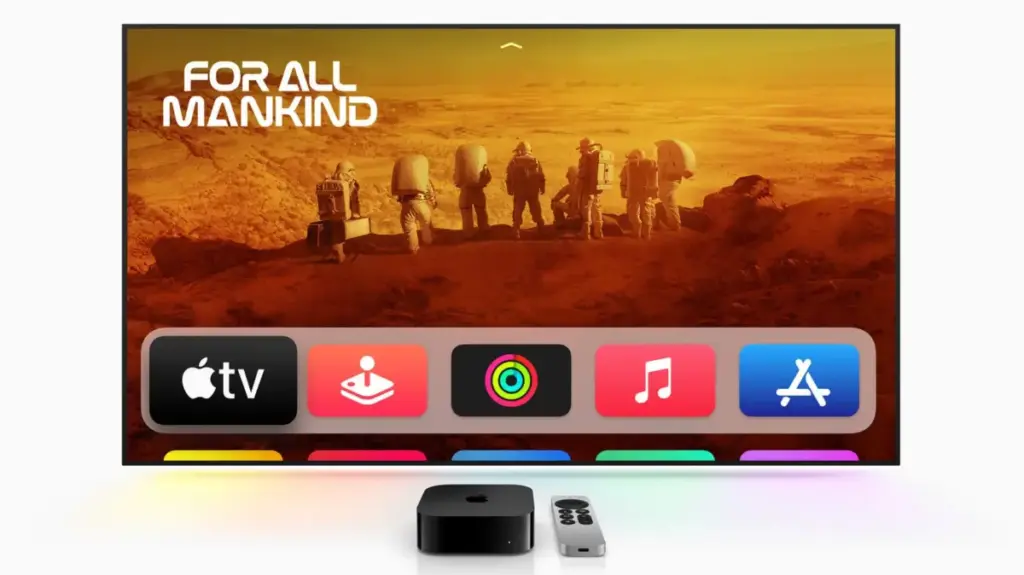
For many Apple users, the evening of September 30 turned into a test of patience as a significant service disruption rippled across the company’s digital ecosystem. What began as a broad, multi-service outage has gradually resolved for most users, yet one notable platform remains largely inaccessible: Apple TV. Since approximately 4:43 PM on that Monday, subscribers attempting to log in, stream content, or manage their accounts have been met with persistent connection errors, leaving them unable to access the library of shows and films they rely on.
The disruption, while frustrating, highlights the increasing fragility of modern digital dependencies. For those attempting to catch up on popular series like Ted Lasso or navigate their evening entertainment routines, the outage serves as a stark reminder of how centralized these platforms have become. The sudden silence from the Apple TV app stands in contrast to the typical reliability of Apple’s services, prompting a flurry of user reports across social media and tech support forums as the downtime stretched from minutes into hours.
According to initial reports from 9to5Mac, the scope of the incident was initially much larger than just the streaming service. Apple’s official System Status page—a dashboard designed to provide real-time updates on the health of its vast digital infrastructure—began flashing alerts regarding a cascade of issues. Alongside Apple TV, the company noted that users were experiencing intermittent or total failures when attempting to access the iOS App Store, the Mac App Store, Apple Music, and the Fitness+ platform. Furthermore, the issues extended into the administrative side of the user experience, impacting the ability to manage subscriptions and initiate new AppleCare+ purchases.

This cluster of failures suggests a significant backend issue, likely rooted in a central authentication or server-side management system that governs how users interact with their Apple IDs across different services. For a company that prides itself on the "it just works" philosophy of its ecosystem, the sight of multiple critical services going dark simultaneously is a rare and significant event.
Within a few hours of the initial outage, however, the situation began to stabilize. Apple’s engineering teams, working to restore the integrity of their network, successfully brought the majority of the affected services back online. By late evening, users reported that the App Stores, Apple Music, and Fitness+ were functioning normally, and the ability to process subscriptions and insurance purchases had been fully restored. The System Status page was updated to reflect these successful recoveries, yet the status indicator for Apple TV remained stubbornly red.
As of the current update, Apple TV remains the outlier, with a significant portion of its user base still unable to access the service. The company has provided limited insight into why this particular service continues to lag behind its counterparts in the recovery process. In its brief notices regarding the ongoing disruption, Apple stated that the services "may be unavailable due to scheduled maintenance."
This attribution to "scheduled maintenance" has sparked debate among users and industry observers. Typically, maintenance windows are planned well in advance and designed to ensure that service disruptions are kept to an absolute minimum, often occurring during off-peak hours to avoid impacting the majority of the user base. The fact that this maintenance appears to have caused such a prolonged and widespread outage, and that it has left one of the company’s primary consumer-facing products in a state of suspended animation, has led to speculation about whether the "maintenance" terminology is being used as a catch-all for a more complex, unforeseen technical failure.
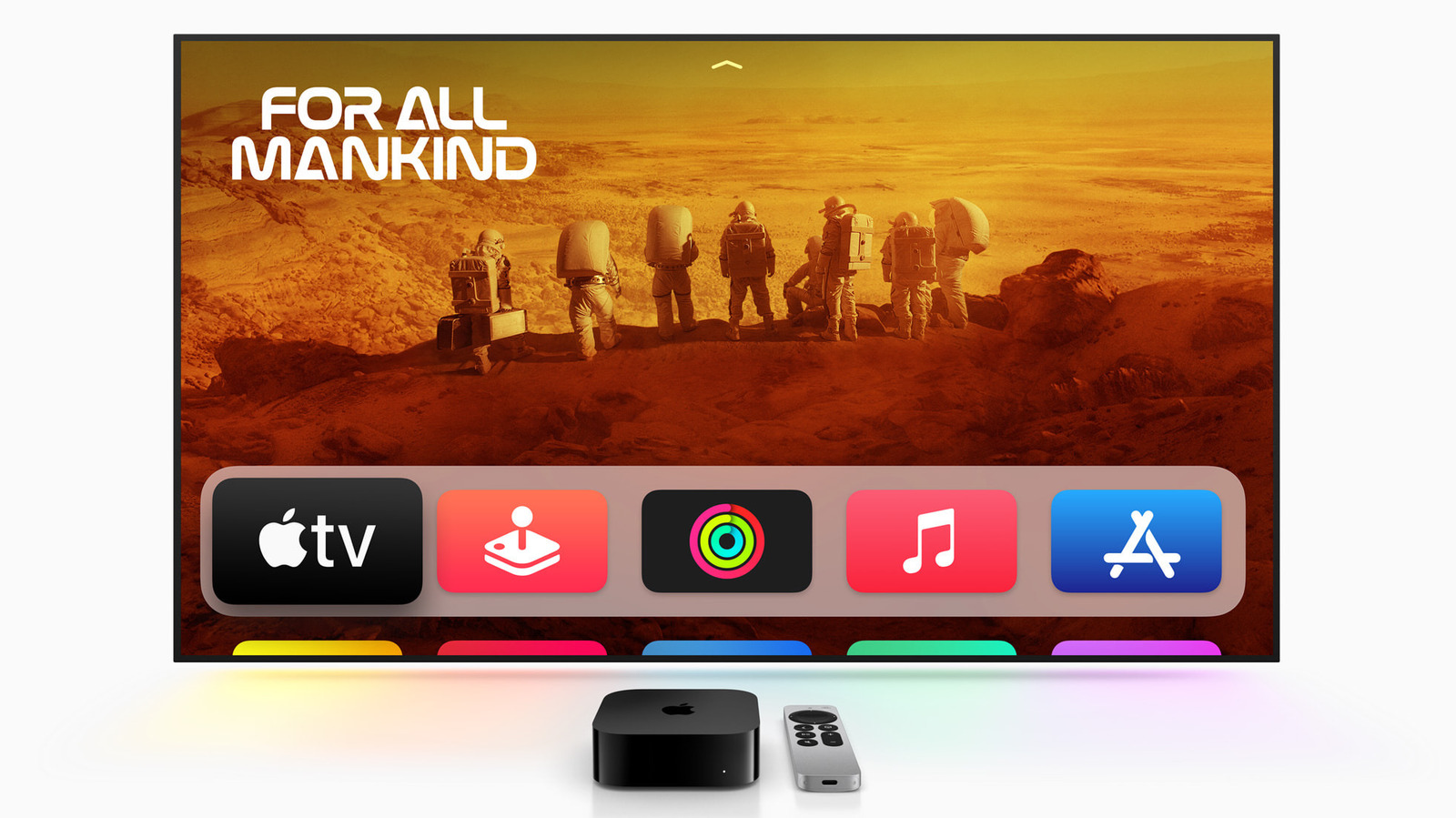
The lack of granular information is characteristic of how large technology firms communicate during service incidents. While transparency is generally valued, companies often prioritize the restoration of services over the disclosure of technical details, particularly when the root cause involves sensitive server infrastructure or potential security patches. However, for the end user, the lack of a clear timeline for the return of Apple TV has been a point of contention. Without a clear "time to resolution" provided by the company, users are left to rely on third-party tracking sites and periodic refreshes of the System Status page, waiting for a green light that has yet to appear.
The impact of this outage is not merely limited to the inability to stream video content. Apple TV is deeply integrated into the wider Apple hardware experience, acting as a portal for purchased content, rental libraries, and the Apple TV+ subscription service. For users who have invested heavily in the Apple digital ecosystem, the unavailability of the platform essentially locks them out of their own digital property. This highlights the ongoing concern regarding "digital ownership" versus "access," where users are entirely dependent on a provider’s server availability to enjoy the media they have purchased or subscribed to.
While the other services—such as the App Store and Apple Music—are essential for daily productivity and entertainment, the extended downtime of Apple TV is particularly notable given the competitive nature of the streaming market. In an era where viewers have dozens of options at their fingertips, a prolonged outage can drive users toward rival platforms. The reliability of a streaming service is often considered a baseline expectation, and prolonged downtime can erode brand loyalty among subscribers who may be paying monthly fees for content they cannot access.
As the situation evolves, industry experts are looking at the incident as a case study in cloud dependency. Large-scale outages are a reality of the modern internet, even for the most well-capitalized firms. Redundancy and fail-safes are standard in modern server architecture, yet even these systems can be overwhelmed by configuration errors, database synchronization issues, or unforeseen bugs during update deployments. Whether the Apple TV outage is the result of a botched server update, a database synchronization error, or a deeper structural failure remains to be seen.
For now, the priority remains the restoration of service. While the company has confirmed that the broader issues affecting its ecosystem have been addressed, the silence regarding the specific delays with Apple TV has left a gap in the narrative. Users waiting for a return to normalcy continue to monitor their devices, hoping that the next time they open the Apple TV app, they will be greeted by their familiar dashboard rather than an error message.
The event serves as a stark reminder of the complexity of the digital world. Even as technologies like cloud computing and high-speed streaming become increasingly seamless and ubiquitous, they remain tethered to the stability of the physical and virtual infrastructure supporting them. When those links break, the result is a sudden, jarring disconnection from the digital services that have become integral to the lives of millions. As Apple continues its efforts to rectify the lingering issues with its streaming platform, the focus will undoubtedly shift to how the company plans to prevent similar occurrences in the future and whether additional transparency will be provided once the system is fully stabilized.
Until such a time that the Apple TV platform is confirmed to be fully operational, the uncertainty persists. For the time being, the company has offered no further comment beyond its initial notification, leaving its global user base to wait for the resolution of what has become one of the most prolonged service disruptions in recent memory. For the many subscribers who rely on the platform as their primary source of entertainment, the restoration of Apple TV cannot come soon enough.