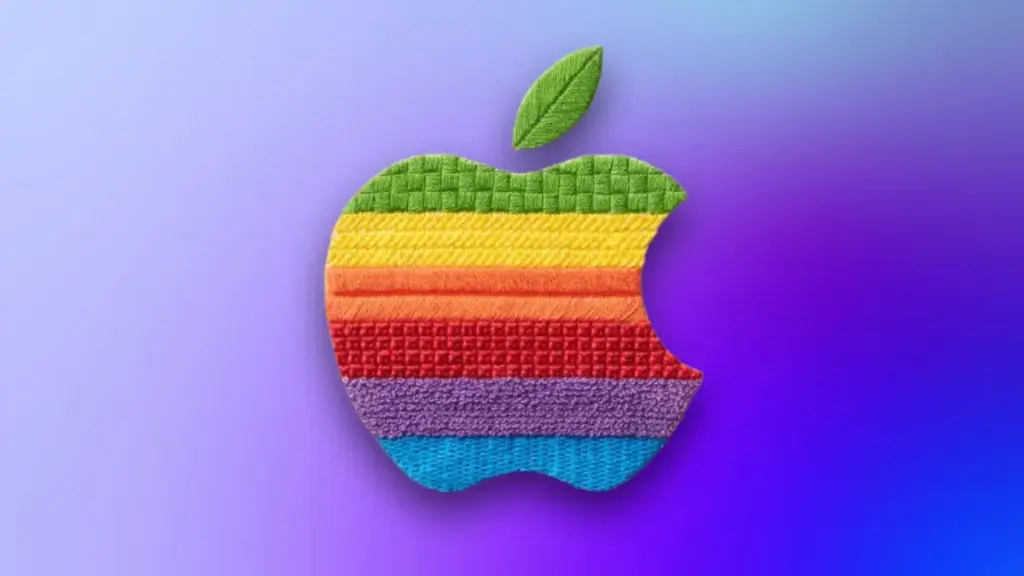
Apple has officially confirmed its upcoming "Welcome Home" special event, scheduled for Tuesday, sending out media invitations featuring a distinctive rainbow-colored Apple logo. The announcement has immediately ignited speculation across the technology sector, signaling a major strategic push by the Cupertino-based company into the domestic technology space. As Apple prepares to integrate Siri and its broader ecosystem into the modern smart home in unprecedented ways, it faces formidable and entrenched competition from industry heavyweights such as Amazon, Google, and other established smart home providers.
For weeks, industry watchers, supply chain insiders, and tech analysts have been compiling reports and unconfirmed leaks to gauge what products Apple might unveil. The cumulative evidence points toward a significant overhaul of how consumers approach home security, connected living devices, and artificial intelligence through the lens of Siri AI. While major tech publications plan to cover the proceedings in person to evaluate Apple’s latest hardware and software achievements, a comprehensive review of the prevailing rumors offers a clear picture of what may lie ahead. Apple representatives did not immediately respond to requests for comment regarding the anticipated product roadmap.
A Siri Smart Display at Last
For well over a year, persistent rumors have suggested that Apple is preparing to launch a Siri-focused smart display hub for the home, occasionally referred to in industry reports as the HomePad, though its final commercial moniker remains unconfirmed. This upcoming device is expected to leverage advanced Siri AI capabilities to compete directly with established market offerings like the Amazon Echo Show and the Google Nest Hub line, functioning primarily as a centralized HomeKit hub.

Smart displays traditionally expand upon the capabilities of standalone smart speakers by introducing visual interfaces, provided users are comfortable relying on voice assistants. According to recent insider reports, Apple’s version may feature a swiveling or wall-mountable design, spanning at least several inches, and incorporate advanced voice recognition capable of distinguishing between different speakers in a conversation. Industry estimates place the screen size at approximately 6 inches, attached to a speaker base reminiscent of the HomePod and powered by standard alternating current rather than USB-C connections.
Given that touchscreens excel at displaying visual information, media playback, and productivity tools like to-do lists, analysts anticipate the inclusion of interface elements inspired by Apple TV and the Safari browser. While existing devices such as the Apple TV 4K, iPads, and current HomePod models can already serve as HomeKit hubs, industry observers expect Apple to introduce a dedicated user interface and user experience specifically tailored for a smart display. This differentiation could make the hardware a much more compelling addition to households already invested in the Apple ecosystem. Based on the frequency of insider reports pointing toward a dedicated smart display, analysts consider its introduction highly probable, though its final aesthetic design remains under wraps.
Updates to the HomePod Line
Alongside rumors of a smart display, industry chatter indicates that Apple is preparing to deliver its first major hardware refresh to the HomePod smart speaker lineup in years. Observers note that this timing aligns with a broader smart home initiative, though some leaks may conflate plans for a standalone smart speaker with the rumored smart display, as both products could ultimately share branding elements within the HomePod family.
Should a new HomePod speaker materialize, reports suggest it would take the form of an updated HomePod Mini. This trajectory would follow Apple’s previous strategic pivot away from the original full-sized HomePod, which faced market criticism for its price point exceeding $300, prompting the company to focus on the more affordable Mini variant. Among the more encouraging leaks circulating prior to the event are plans for new color options for the HomePod Mini 2, including variations of green and pink, alongside a faster S-series internal processor. Technology analysts view a HomePod refresh as highly probable should Apple choose to maintain and expand its dedicated audio speaker category.

A New Apple TV
The same pipeline of reports pointing toward a smart display and a new HomePod also indicates that Apple is developing an updated Apple TV set-top box. Rumors suggest this hardware iteration will feature upgraded technical specifications, including a faster N1 processor, 8GB of RAM, Wi-Fi 7 connectivity, and a redesigned Siri remote.
Although set-top streaming boxes occupy a somewhat distinct category within the connected home, they remain closely tied to smart home infrastructure, particularly if Apple introduces a companion smart display. Apple has not updated its dedicated streaming box hardware since 2022, suggesting that an interval for a refresh is overdue. A new box could provide the necessary computational headroom for advanced Siri AI features while potentially introducing compatibility with new HomePod units to establish synchronized multi-speaker home cinema audio arrangements. Despite these possibilities, industry observers consider an Apple TV update somewhat less probable than a new speaker or smart display, as it functions less explicitly as a core smart home sensor device and has surfaced in fewer consolidated supply chain reports.
Little Apple Security Cameras With a Twist
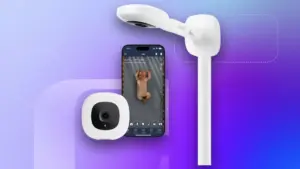
Recent reporting also suggests that Apple is poised to enter the home security market with proprietary hardware. According to insights shared by industry analysts like Bloomberg’s Mark Gurman, these products are expected to take the form of compact indoor cameras that notably will not feature permanent video recording capabilities. By omitting continuous video recording, Apple could bypass the complexities of cloud storage infrastructure and potentially avoid recurring subscription fees for end-users.

Instead of traditional continuous archiving, these rumored cameras are expected to incorporate presence-sensing or human-recognition technologies, alongside AI-generated video descriptions. This functionality implies that the Apple Home ecosystem would process video feeds locally for analysis without storing persistent footage. Mentions of facial recognition have also surfaced in relation to broader security initiatives, though analysts view that specific feature as less certain, potentially stemming from separate rumors regarding a Ring-like video doorbell equipped with FaceID for unlocking doors. While analysts anticipate some form of home security hardware announcement, the exact execution of these non-recording indoor cameras remains unverified, though detailed leak descriptions lend the rumor added credibility.
An LG Collaboration for a New Thermostat
In addition to first-party hardware, rumors suggest Apple may be partnering with LG on a series of connected home devices, supported by leaked product concept images circulating online. Among the most prominent potential products is an Apple-friendly smart thermostat. Leaked images depict a circular, dial-based interface reminiscent of competing devices like the Nest thermostat, with rumors indicating the inclusion of far-sight presence sensing, humidity monitoring, and multiple temperature calibration settings.
Alongside the primary thermostat unit, the rumored collaboration is expected to include a remote temperature sensor designed to measure conditions in specific rooms and transmit that data back to the central hub. Such satellite sensors are already common among brands like Nest and Ecobee, though Apple’s implementation may utilize adhesive mounting strips for wall placement. Apple and LG previously collaborated years ago to support compatible security cameras, though those product lines saw limited updates and were eventually phased out. Analysts suggest that if an LG partnership is indeed materializing, a smart thermostat represents a plausible entry point, though packing numerous product announcements into a single October event presents a substantial logistical rollout for the company.
Further LG Collaborations for Smart Locks and Beyond

Another major rumor stemming from the purported LG partnership involves an Apple-branded smart lock. While numerous third-party smart locks currently integrate with Apple Home and support Apple Home Keys, the tech giant has not previously been involved in the direct design or manufacturing of a smart lock.
A potential Apple-backed lock could introduce automated proximity unlocking, tap-to-unlock phone functionality, and flexible keypad management options. Leaked imagery shows a circular, twist-to-unlock, illuminated outdoor keypad, a design that breaks from traditional deadbolt aesthetics. If Apple officially enters the smart lock market, it will follow recent announcements from competitors like Ring, which recently debuted its own smart lock featuring Alexa compatibility and a unique energy-generating thumbturn designed to address dead battery concerns.
Additional leaks and concept imagery suggest the LG collaboration could eventually expand to include a video doorbell, a floodlight camera, an outdoor camera, and additional indoor camera variants. However, industry analysts express skepticism regarding whether these specific designs align with Apple’s traditional industrial design language, noting that they appear more closely aligned with LG’s existing product aesthetics. While smart locks and thermostats represent strong product categories for Apple to enter, introducing an extensive portfolio of hardware all at once remains speculative, with some observers suggesting that secondary product lines could be reserved for separate announcements at a later date.
The Role of Apple Intelligence
Underpinning these anticipated hardware developments is Apple Intelligence, which is expected to drive numerous advanced Siri AI capabilities across the Apple Home ecosystem. This integration is particularly relevant to features such as AI-driven video descriptions, which Apple is gradually bringing to compatible security cameras and hubs within the HomeKit ecosystem. As the company expands its hardware footprint in the domestic space, artificial intelligence processing is positioned as a central pillar for managing automated routines, analyzing sensor data, and streamlining user interactions.

Looking beyond the smart home sector, industry rumors have also pointed to potential updates regarding the iPad Mini later this month, though analysts emphasize that such announcements are expected to remain distinct from the home-focused scope of the upcoming special event. As Tuesday approaches, the technology industry awaits official clarification from Apple regarding how its long-rumored smart home ecosystem will finally take shape.