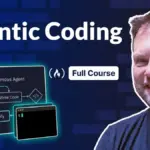
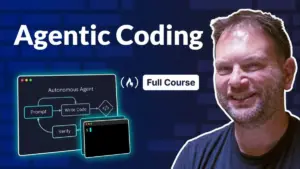







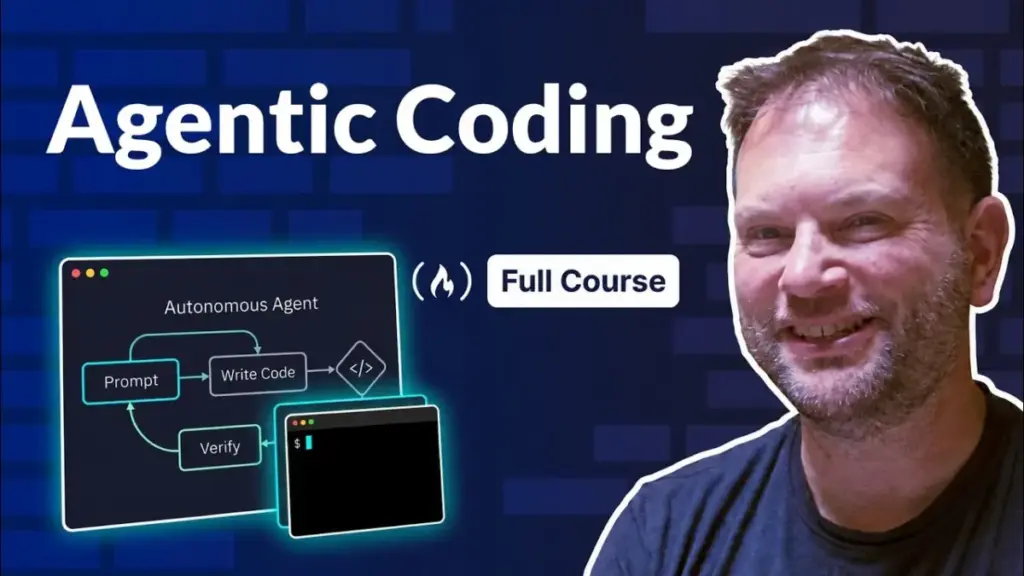
The landscape of software development is undergoing a profound transformation with the widespread adoption of AI-powered tools capable of autonomous code generation, multi-file editing, and system execution. Addressing this industry shift, freeCodeCamp.org has announced the release of a comprehensive new two-hour video course on its official YouTube channel focused on agentic coding, utilizing Codex and modern AI coding agents.
Taught by Tom Chant, Head of Education at Scrimba, the newly launched curriculum is designed to help both seasoned software engineers and emerging creators navigate the complexities of working alongside intelligent coding assistants. The course aims to demystify how developers can achieve reliable, production-ready results from AI agents by mastering critical skills such as providing precise project context, planning complex workflows, managing strict security and execution permissions, and thoroughly verifying every code change introduced by the system.
Modern AI coding agents represent a significant leap forward from simple inline code completion tools or conversational chatbots. Unlike traditional assistants that generate isolated snippets of code, advanced systems like Codex are capable of deeply analyzing an entire codebase, navigating multiple directories, editing disparate files simultaneously, and independently running local commands, terminal scripts, and automated test suites. These capabilities allow developers to delegate larger, multi-step tasks to the AI, effectively collaborating with an automated partner to tackle substantial software engineering challenges.
However, incorporating these powerful tools into a professional development environment introduces unique management hurdles. Without proper guidance, AI agents can drift off-course, misinterpret project requirements, or introduce subtle regressions into existing systems. To address these operational challenges, the new freeCodeCamp course emphasizes structured configuration and context management. Central to this approach are specialized project files, such as the AGENTS.md file, which serves as a repository for persistent instructions, project conventions, and architectural guardrails that guide the agent’s behavior throughout its lifecycle. Additionally, the course explores the configuration of the config.toml file, giving developers granular control over the agent’s operating parameters, permissions, and environment interactions.
The curriculum is structured around realistic, practical scenarios rather than abstract theoretical concepts. Students and professionals taking the course will work through authentic development tasks that reflect the daily realities of modern software engineering. This includes tackling specialized skill challenges, implementing robust characterization tests to document and preserve existing system behavior, and configuring complex environment files to ensure the AI operates within safe and predictable boundaries.
By grounding the lessons in practical application, the course addresses the diverse needs of its target audience. On one hand, the material is tailored for experienced software developers looking to systematically integrate AI agents into their existing professional workflows to accelerate productivity without sacrificing code quality. On the other hand, the course is equally accessible to non-coders and aspiring creators who possess product ideas but lack traditional programming backgrounds, offering them a structured pathway to build and deploy functional software with the assistance of advanced AI tools.
In addition to the primary video release on the freeCodeCamp.org YouTube channel, the educational content is also made available for interactive study through Scrimba’s specialized learning platform. This dual-format release allows learners to choose the study environment that best suits their preferences, whether they prefer passive visual instruction or hands-on interactive coding practice.
As the capabilities of artificial intelligence continue to expand, educational initiatives focused on agentic coding reflect the growing need for developers to transition from traditional manual coding to supervising and directing autonomous software systems. By learning how to effectively communicate intent, establish strict operational boundaries, and rigorously verify automated output, developers can harness the full potential of tools like Codex while maintaining the high standards required in professional software engineering environments. The full two-hour course is currently available for viewing on the freeCodeCamp.org YouTube channel.