







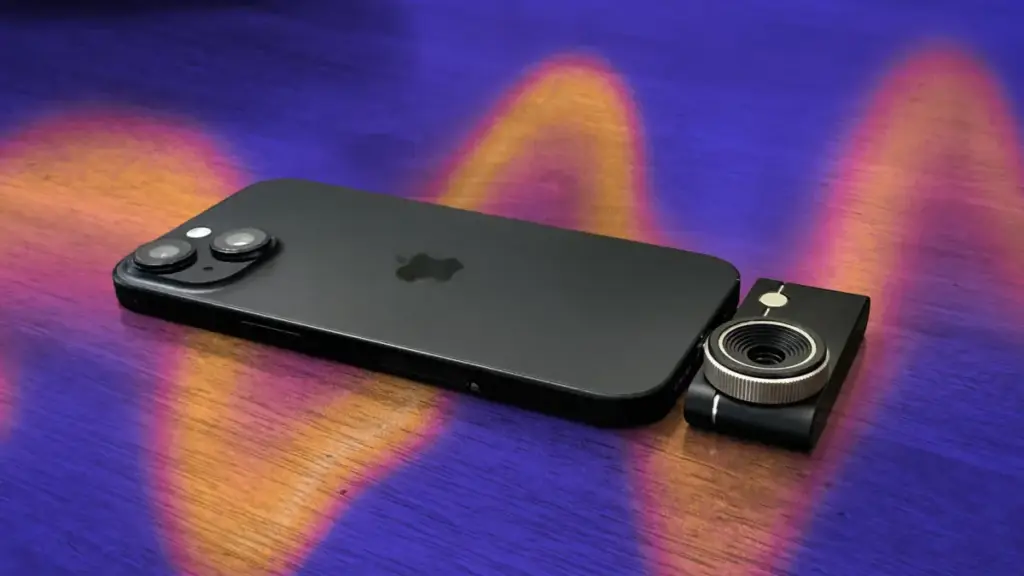
Thermal imaging has long carried a reputation straight out of a science fiction movie or a high-stakes espionage thriller, usually associated with bulky military goggles, covert operations, or high-end industrial surveillance. However, rapid advancements in consumer technology have democratized the medium, making thermal sensors smaller, cheaper, and far more accessible to the general public. Today, everyday consumers can purchase compact, highly capable thermal cameras that plug directly into a standard smartphone, transforming a mobile device into a sophisticated heat-mapping tool in a matter of minutes.

Recent hands-on testing with the Thermal Master P3—a new thermal camera add-on retailing for approximately $300—demonstrates just how far the technology has progressed. While the price tag might seem substantial for a phone accessory, it remains significantly cheaper than a professional home inspection and offers versatile utility across multiple seasons, properties, and use cases. Featuring a rugged metal framework, a compact carrying case small enough to slip into a pocket, and compatibility with both iPhone and Android devices, the P3 proves that advanced thermal diagnostics are no longer restricted to professional contractors and specialized technicians.
The device boasts a 25Hz refresh rate and can detect temperatures ranging from a frigid minus 4 degrees up to a blistering 1,112 degrees Fahrenheit, maintaining an accuracy rating of plus or minus 3.6 degrees. Furthermore, getting started requires minimal technical expertise. Users simply need to download the companion mobile app, plug the hardware accessory into their phone’s charging port, and select their preferred temperature scale. Within moments, the screen populates with a real-time heat map, offering immediate insight into the thermal dynamics of the surrounding environment.

While the companion application is packed with advanced calibration options—including adjustable magnification, custom color palettes, measurement distance adjustments, ambient temperature settings, emissivity controls, and even a specialized birdwatching mode—none of these complex features are strictly necessary for basic tasks. For the average consumer, the default settings work seamlessly right out of the box, offering plug-and-play functionality that bypasses the steep learning curve typically associated with diagnostic gear. The included retail package also supplies helpful accessories, such as a Lightning adapter and a 19.7-inch extension cable for hard-to-reach areas.
One of the most surprising and practical applications for consumer thermal cameras involves privacy and security, specifically the detection of hidden recording equipment in vacation rentals and temporary lodgings. Hidden cameras have become an increasingly documented concern for travelers renting properties through platforms like Airbnb and Vrbo. While there are numerous traditional methods for sweeping a room—such as checking for unusual reflections or scanning for local Wi-Fi signals—thermal imaging offers an additional layer of defense by revealing the heat signatures emitted by electronic devices.

Testing the P3 against both wired and wireless security cameras hidden within a residential setting revealed distinct performance capabilities. A wired camera tucked away on a crowded bookshelf, which was virtually invisible to the naked eye due to clever placement behind books, immediately betrayed its presence through the thermal lens by registering a localized heat signature. Wireless cameras, which typically remain cooler because they operate on battery power or only draw significant current when actively streaming or recording, proved slightly more challenging to spot. Nevertheless, the thermal add-on successfully identified unusual temperature variations in shadowed areas, such as the inside of a dark closet, pinpointing spots a few degrees warmer than the surrounding environment.
Additionally, wireless security setups frequently rely on nearby hubs or base stations to maintain connectivity. During testing, the Thermal Master camera quickly identified a hidden connectivity hub tucked away behind a sofa by detecting the residual heat generated by the electronics. These capabilities suggest that travelers equipped with a pocket-sized thermal sensor can effectively scan vents, shelving units, and obscure corners of a rental property within minutes, significantly enhancing their personal privacy during trips.

Beyond security sweeps, thermal cameras serve as invaluable tools for homeowners seeking to audit their property’s energy efficiency. Identifying areas where insulation is compromised can help homeowners pinpoint drafts, prevent the loss of heated or cooled air, and ultimately reduce monthly utility bills. On a warm summer day, scanning window frames with the P3 reveals how significantly plastic trim and seals can heat up, highlighting the importance of weather stripping and proper installation.
Moving indoors to inspect vaulted ceilings in living areas and bedrooms reveals even more dramatic insights. Thermal scans often expose stark temperature differentials along wall and ceiling corners, indicating poorly insulated zones where heat permeates the living space from the attic or crawlspace. Conversely, well-insulated areas show uniform thermal profiles, giving homeowners a clear visual map of where improvements are needed. Similar scans of ceiling return air ducts can also uncover thermal anomalies, suggesting that ductwork might be absorbing unwanted heat from unconditioned spaces and forcing home air conditioning systems to work harder than necessary.

While accurately diagnosing complex structural insulation flaws often requires professional evaluations, comparing indoor and outside readings at different times of day provides an excellent baseline for targeted do-it-yourself improvements, such as replacing worn weather stripping or applying additional spray foam insulation.
Water damage is another major concern for property owners, and thermal imaging offers a non-destructive method for spotting active leaks behind walls or ceilings. Because moisture typically lowers the temperature of the material it touches compared to surrounding dry surfaces, fresh water leaks often appear as distinct cold zones on a thermal map. Testing this principle on thick cardboard by applying a small amount of tap water immediately produced a prominent cold spot on the camera display, confirming that damp areas register clearly as long as the moisture has not completely evaporated.

However, tracing the exact origin of a hidden leak remains a meticulous process. Property owners must conduct slow, methodical sweeps to locate the coldest points on the thermal gradient, which generally indicate where the water is pooling or entering the structure. While a thermal camera cannot completely replace a professional plumber, it can provide early warning signs of trouble before minor leaks escalate into major structural damage.
Although pests such as rodents or insects were not available for live testing during the evaluation, the underlying physics of thermal detection make the technology viable for identifying large infestations. Documented incidents involving massive bee hives, rodent nests, or raccoon families taking up residence inside wall cavities or attic spaces generate noticeable warmth that can disrupt standard thermal profiles. While a phone-connected thermal sensor can certainly highlight suspicious heat anomalies behind drywall or near ventilation grates, confirming and resolving a pest infestation ultimately requires professional intervention.

Ultimately, the Thermal Master P3 represents a growing category of consumer hardware that bridges the gap between professional diagnostic tools and everyday gadgets. Priced around $300, it represents a notable investment, yet it costs significantly less than a professional home inspection service and provides ongoing utility for property maintenance, travel safety, and electronics troubleshooting. While users must keep physical limitations in mind—such as the need to remain within a couple of feet for optimal accuracy and the tendency of reflective metallic surfaces to skew readings—the device offers remarkable versatility. For tech enthusiasts, cautious travelers, and proactive homeowners alike, a pocket-sized thermal camera changes how physical spaces are perceived, turning invisible thermal data into actionable everyday insights.