









The Model Context Protocol, commonly referred to as MCP, has emerged as a vital architectural bridge connecting autonomous AI agents with external tools and services. By utilizing MCP, modern artificial intelligence applications can execute complex workflows that go far beyond text generation. These capabilities range from routine administrative tasks, such as sending notifications through messaging platforms like Discord and reading incoming electronic mail, to intricate interactions with local operating environments and specialized software development tools. This integration significantly expands the utility and autonomy of AI systems, transforming them from passive conversational interfaces into active participants in digital workflows.
However, this substantial leap in functional capability introduces a parallel expansion in serious cybersecurity risks. Because the architecture of MCP allows developers around the world to easily build, share, and open-source custom servers, the ecosystem has become a breeding ground for potential vulnerabilities. Integrating third-party servers into an AI agent workflow without rigorous vetting can inadvertently expose sensitive personal data, corporate networks, and critical infrastructure to devastating breaches. Malicious actors could potentially exploit poorly secured protocol implementations to execute arbitrary code, exfiltrate confidential files, or manipulate automated actions without the user’s explicit consent or awareness.
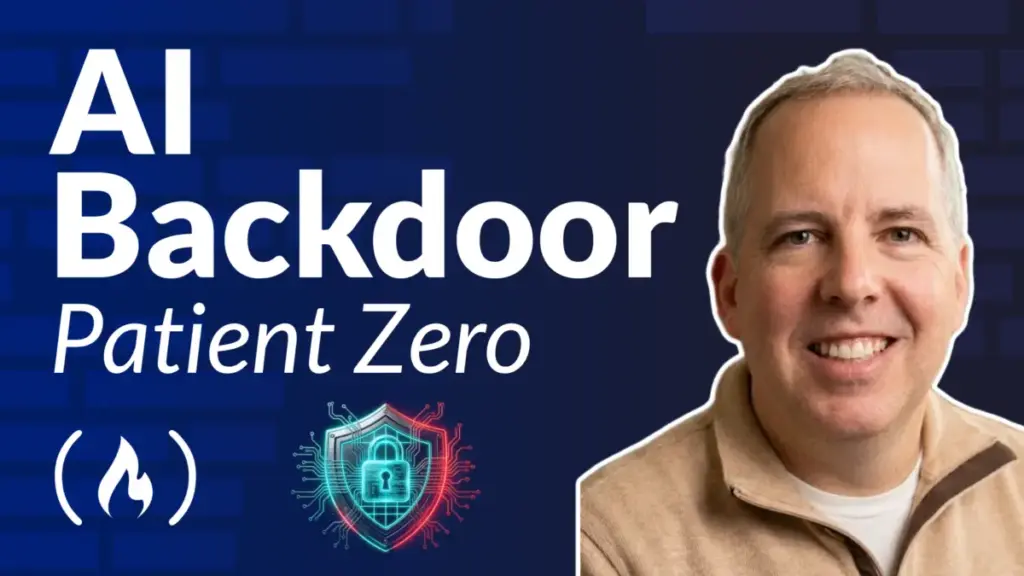
Recognizing the urgent need for accessible, high-quality education on this emerging topic, the instructional team behind freeCodeCamp.org developed the new course to demystify the technology and establish baseline security practices for the developer community. The two-hour curriculum is meticulously structured to bring practitioners up to speed, starting from the fundamental definition and architecture of MCP and progressing logically through the specific threat vectors it introduces. Rather than treating security as an afterthought, the course emphasizes a proactive methodology, teaching learners how to evaluate, implement, and monitor MCP integrations securely within their existing development pipelines.
Throughout the comprehensive video presentation, instructors break down the intricate mechanisms of the protocol, explaining how data flows between the host application, the client, and the external server. By understanding these underlying communication channels, developers can better identify potential points of failure and points of interception. The course covers common pitfalls associated with third-party server integration, offering practical insights into how unauthorized access occurs and how to mitigate those risks through proper configuration, access controls, and boundary enforcement.
The launch of this security-focused curriculum aligns with freeCodeCamp’s broader mission to provide free, open-source education that meets the evolving demands of the technology industry. Over the years, the platform has helped tens of thousands of individuals acquire the technical skills necessary to secure employment as professional developers and software engineers. As artificial intelligence continues to reshape the landscape of software development, introducing new paradigms like MCP, educational initiatives that prioritize safe engineering practices become increasingly crucial. The integration of advanced AI capabilities into standard development workflows means that security is no longer just the domain of dedicated cybersecurity specialists, but a core competency required of all modern software creators.
The complete two-hour MCP Security Fundamentals Course is currently accessible to viewers worldwide on the freeCodeCamp.org YouTube channel. By making this educational content freely available, the organization aims to empower a global community of developers to harness the full potential of artificial intelligence agents while maintaining robust security postures against emerging digital threats.