









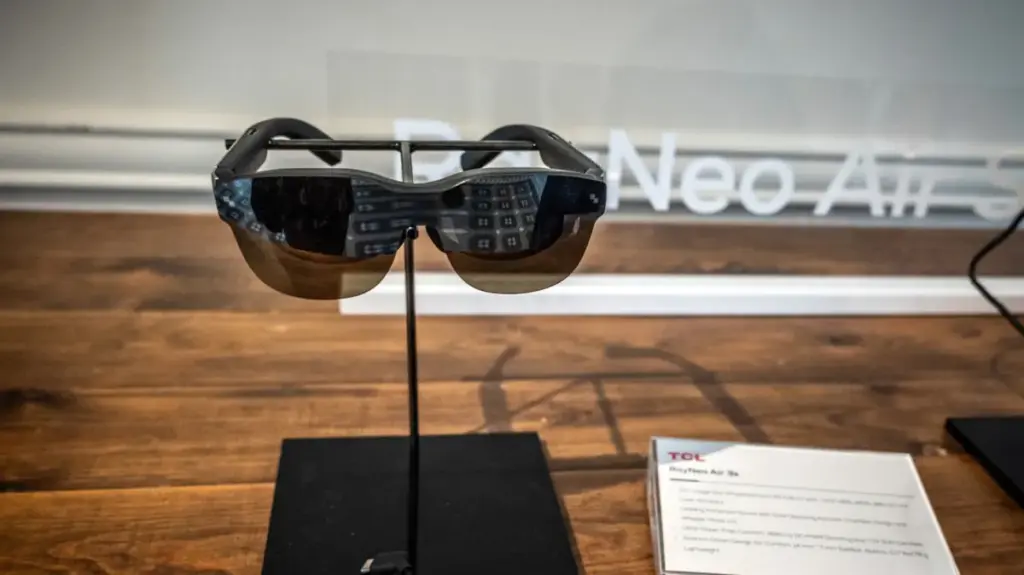
The traditional image of the modern office worker is undergoing a subtle but significant shift. For decades, the workstation has been defined by a static setup: a desk, a chair, and one or more physical monitors tethered to a computer. However, as the latest wave of smart glasses gains momentum in the consumer tech market, a growing number of early adopters are attempting to break free from these physical constraints. They are asking a provocative question: Is it finally time to retire the computer monitor in favor of a wearable, augmented-reality display?
While the promise of a "virtual office" that travels wherever you go is undeniably alluring, the reality of replacing a high-resolution, reliable desktop monitor with a pair of glasses is currently a mixed bag. Enthusiasts who have taken the plunge are finding that while the technology offers a glimpse into a futuristic, decluttered workspace, it also introduces a unique set of ergonomic and practical challenges that may prevent it from becoming a mainstream standard just yet.
The Allure of the Virtual Workspace
The primary appeal of moving to smart glasses is the promise of total workspace flexibility. For digital nomads, frequent travelers, or anyone who feels cramped in a small office, the ability to project multiple high-definition virtual monitors into one’s field of vision is a powerful proposition. Instead of hunching over a 13-inch laptop screen on an airplane tray table, a user can don a pair of glasses and interact with a sprawling, multi-monitor setup that exists only in their periphery.

Beyond the sheer novelty, there are tangible benefits. Privacy is a major selling point; when your screen is projected directly into your retinas, it becomes effectively invisible to the person sitting next to you. This provides an unprecedented level of security for professionals working in public spaces or open-plan offices. Furthermore, smart glasses have the potential to declutter the physical desk entirely. By removing the need for bulky hardware, the workspace can become a minimalist environment, potentially reducing the cognitive load associated with visual clutter.
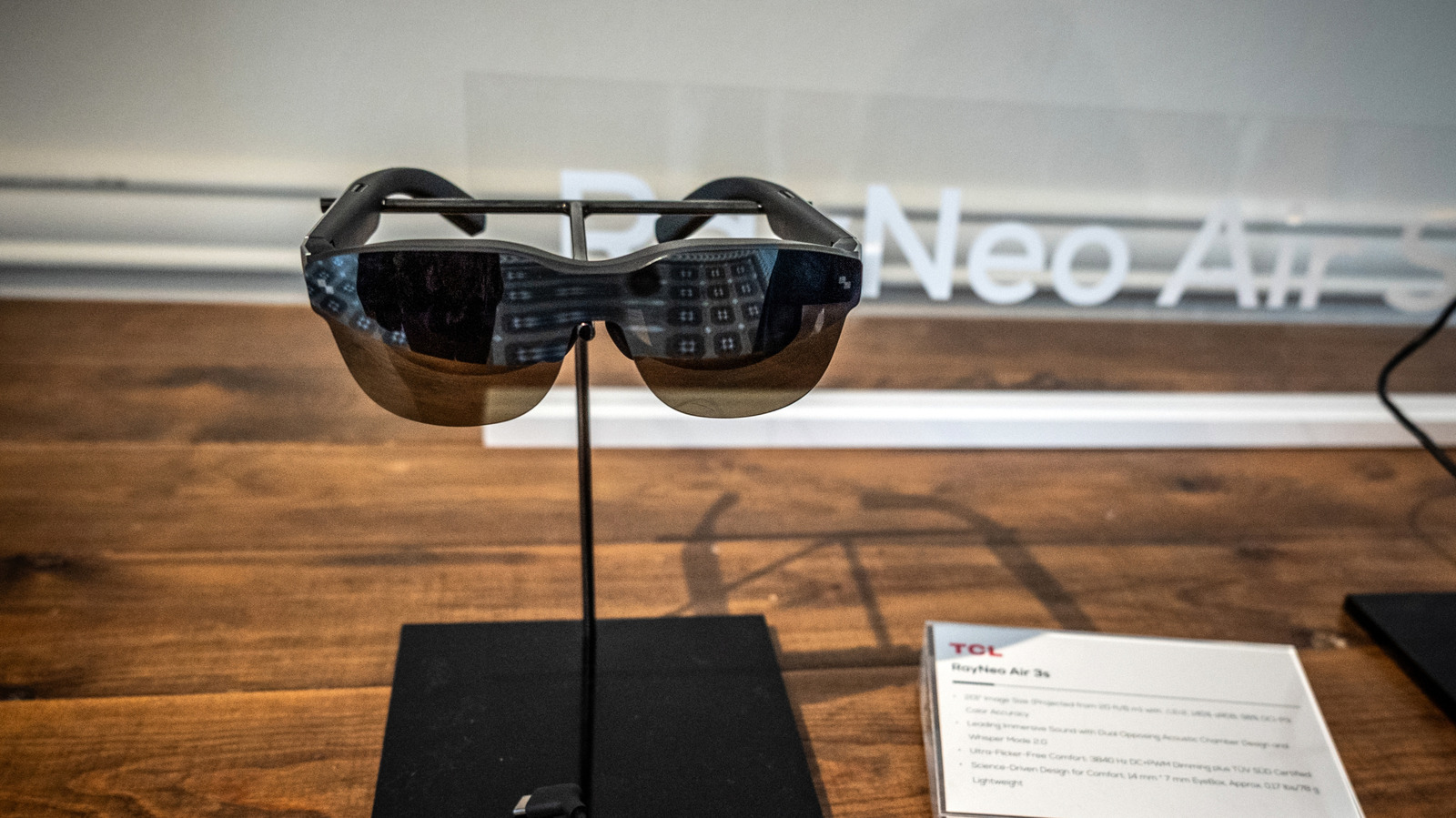
However, despite these theoretical advantages, those who have actually attempted to make the switch full-time suggest that users should not be too hasty in clearing their desks. The transition from a fixed, physical screen to a wearable display is fraught with hurdles that range from basic physical discomfort to significant limitations in display technology.
The Reality of Physical Comfort
In the modern professional landscape, the conversation around office equipment is increasingly centered on ergonomics—how we sit, how we position our screens, and how we manage physical strain. When transitioning to smart glasses, these concerns do not disappear; they simply change form.
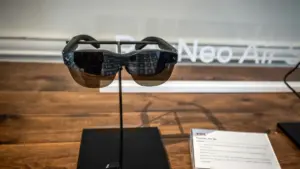
One of the most immediate issues reported by early adopters is thermal management. As noted by Stephen Johnson in his evaluation of the Xreal One Pro glasses, these devices are essentially miniaturized computers strapped to the face. Over extended periods of use, these units can generate significant heat. Users have reported feeling this warmth radiating against their foreheads, which can be distracting and uncomfortable during a long workday. While manufacturers are constantly iterating on cooling solutions, the physics of shrinking powerful display hardware into a lightweight frame makes heat dissipation an ongoing engineering challenge.
Conversely, the experience is not universally negative. Some users, such as YouTuber Jasmine Uniza, have reported that smart glasses can actually facilitate better posture. Because the virtual screen can be "pinned" in space at a comfortable eye level regardless of the user’s physical orientation, it allows for a more ergonomic alignment. Users are no longer forced to crane their necks to look down at a laptop screen or look up at a poorly positioned monitor; they can adjust the virtual display to suit their anatomy. However, this comfort is often contingent on the duration of use. Uniza noted that her positive experiences were typically confined to shorter sessions of about an hour or two, suggesting that the "all-day" viability of these devices remains an open question.
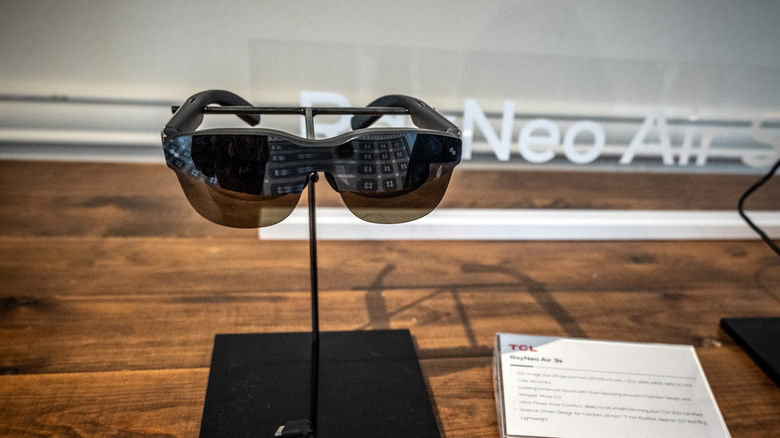
Then there is the issue of eye strain. It is a long-standing piece of advice that one should not sit too close to a television screen, a rule that takes on new meaning when the display is physically positioned roughly half an inch from your eyes. Even with advanced optics, the act of focusing on a virtual screen for hours at a time can lead to ocular fatigue. While this strain is often temporary and manageable with rest, it remains a major barrier for anyone whose job requires intense, sustained focus throughout an eight-hour shift. Furthermore, display quality is not uniform across the market. Lower-end models often suffer from poor resolution or pixelation, which can make reading small text or performing detailed creative work a frustrating exercise in squinting.
Living Behind the Lens
Moving beyond physical ergonomics, there is the social and practical awkwardness of "living behind the glass." The current design language of smart glasses—which often requires opaque or tinted lenses to create a high-contrast display—can feel isolating.
In an office setting, this presents a significant hurdle. Many users have noted that participating in video calls while wearing tinted, bulky glasses can feel strange, both for the user and for their colleagues. There is a sense of detachment from the physical environment that can make spontaneous collaboration difficult. When you are wearing glasses that occupy your entire field of view, it is not as simple as glancing over at a coworker or turning your head to check a physical document. Simple, mundane tasks—such as scribbling a note on a piece of paper or grabbing a cup of coffee—become complex maneuvers when you have to navigate the transition between the digital and physical worlds.
Because of these friction points, many early testers have concluded that smart glasses are currently better suited for entertainment than for the rigors of office productivity. Watching a movie or playing a video game on a "massive" virtual screen while lounging on a couch bypasses many of the professional complications. In those scenarios, the user is not required to switch tasks frequently, attend meetings, or maintain a professional appearance while wearing tech-heavy hardware. The immersive nature of the display is a benefit for cinema, but a distraction for spreadsheet management.
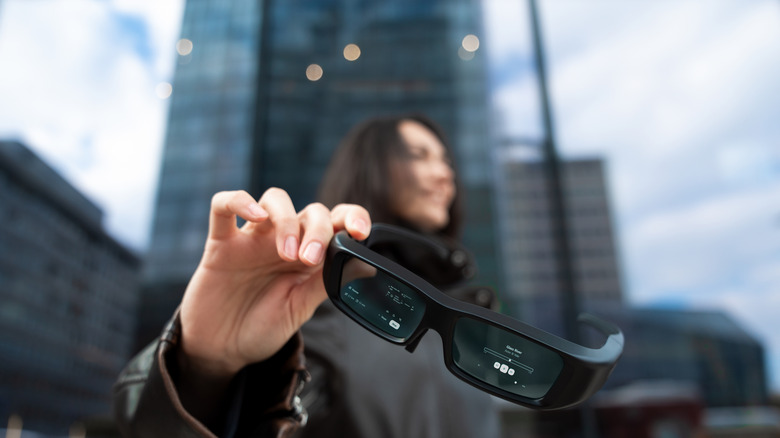
Smart glasses have undoubtedly come a long way. The devices have become lighter, more visually impressive, and more comfortable than the clunky headsets of even a few years ago. As the technology continues to evolve, it is likely that many of the current limitations—such as resolution, battery life, and heat management—will be solved. For now, however, the traditional monitor remains the gold standard for reliable, sustained work. While the future of the office may very well be a pair of glasses, we are currently in a transitional phase where these devices serve as a compelling supplement rather than a complete replacement. The monitor is not yet ready to be put out on the curb, but the trajectory of the technology suggests that the day when it finally becomes obsolete may be closer than we think.