









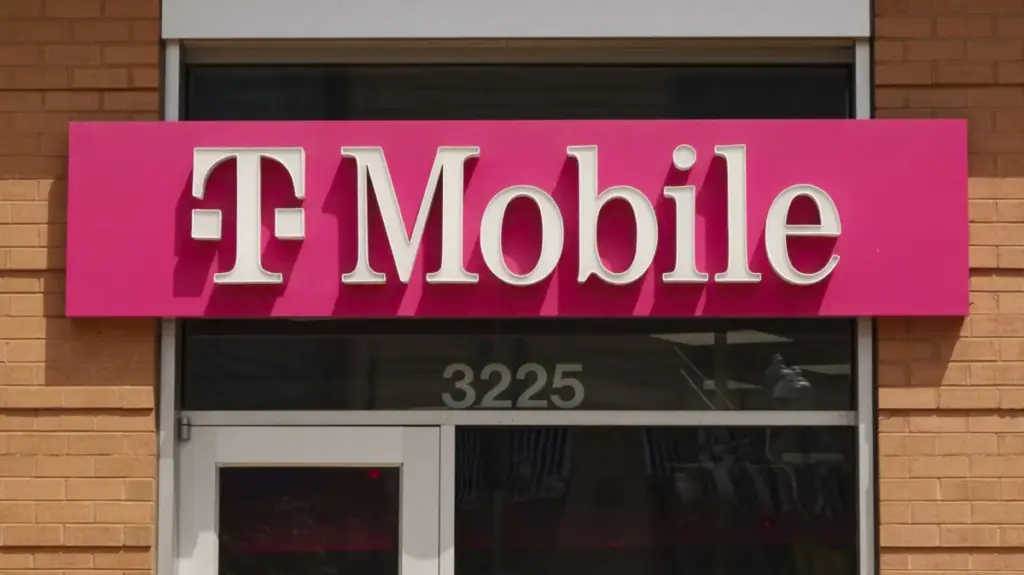
In a significant regulatory intervention, the state of New York has successfully compelled T-Mobile to overhaul its home internet offerings for low-income residents. The action follows a formal investigation by the Office of the New York Attorney General, which determined that the telecommunications giant was systematically circumventing the requirements set forth by the state’s Affordable Broadband Act (ABA). By imposing restrictive data caps and limiting the visibility of these essential services, the company had effectively hindered access for the very populations the legislation was designed to protect.
The Affordable Broadband Act was enacted by the state of New York as a critical mechanism to bridge the digital divide. Recognizing that high-speed internet is no longer a luxury but a fundamental requirement for modern life—necessary for employment, education, and access to government services—the law mandates that broadband providers offer specific, affordable tiers of service to eligible low-income households. Under the statutes of the ABA, qualified residents must be provided the opportunity to purchase high-speed broadband at a rate of either 25 Mbps for $15 per month or 200 Mbps for $20 per month. Crucially, the legislation explicitly forbids the inclusion of additional costs such as equipment fees or extra taxes, ensuring that the burden on low-income families remains strictly limited. Furthermore, the law places an affirmative duty on service providers to make "reasonable efforts" to promote these low-cost options to the public, ensuring that those who qualify are actually aware of their rights and options.
However, the investigation led by Attorney General Letitia James revealed that T-Mobile’s implementation of these plans fell far short of both the letter and the spirit of the law. Despite the state’s clear mandates, the company had been applying monthly data caps to its ABA-compliant plans. The impact of these caps was substantial, creating a significant barrier to consistent internet usage for low-income families. According to findings released by the Office of the Attorney General, T-Mobile’s policy involved throttling speeds down to a meager 650 kilobits per second once a customer reached a 50GB data threshold.

For a modern household, 50GB of data is an incredibly restrictive limit. Given the bandwidth requirements of high-definition video streaming, remote learning software, and video conferencing tools, a typical household could easily exhaust this limit in approximately four days of standard usage. Once the throttle was triggered, the resulting speed of 650 kilobits per second would render the connection effectively useless for most essential tasks, including participation in professional meetings or accessing school portals. This practice effectively neutralized the benefit of the high-speed tiers promised by the Affordable Broadband Act, forcing low-income families to either accept a crippled connection or find alternative, likely more expensive, solutions.
The investigation further uncovered that the barriers created by T-Mobile were not limited to technical throttling. The company had also engaged in exclusionary practices regarding the accessibility of these plans. Investigators found that T-Mobile had restricted the availability of its ABA plans solely to geographic areas where it had already deployed 5G wireless infrastructure. By limiting the scope of the program in this manner, the company excluded a large portion of the state’s low-income population residing in areas that might rely on other T-Mobile home internet technologies.

Perhaps even more egregious was the company’s digital strategy to suppress information regarding these plans. The Office of the Attorney General discovered that T-Mobile had implemented technical measures on its website to prevent search engines from indexing pages related to its ABA offerings. By essentially hiding these plans from public view in search results, the company made it increasingly difficult for eligible consumers to discover that such affordable options existed. This lack of transparency stood in direct opposition to the ABA’s requirement that providers must proactively promote these low-cost services.
Following the conclusion of the inquiry and the subsequent pressure from the state, T-Mobile has committed to a series of corrective actions. The company will now remove the data caps that had previously plagued the ABA plans, ensuring that customers can utilize their service without the looming threat of drastic speed reductions. Additionally, T-Mobile has agreed to make its ABA-compliant plans available throughout the entire state wherever it provides home internet service, removing the arbitrary geographic limitations that had previously restricted access. To address the lack of visibility, the company is also required to ensure that its website is properly optimized so that search engines can easily index and display information about these affordable plans to prospective customers.
Attorney General Letitia James emphasized the importance of these requirements in a statement issued following the announcement. She underscored the reality that in contemporary society, reliable and affordable internet is a basic necessity. "Reliable and affordable internet service is a basic need for all New Yorkers, but T-Mobile flouted the law designed to help vulnerable New Yorkers access it," James stated. She reiterated her office’s commitment to ensuring that the Affordable Broadband Act functions as intended, protecting New Yorkers from being denied access to the digital economy due to financial hardship. She concluded her remarks by encouraging all eligible residents to review their options and enroll in the low-cost plans that are now properly compliant with state law.
For its part, T-Mobile has acknowledged the agreement and expressed a commitment to moving forward in accordance with the state’s requirements. In a statement provided to the press, a spokesperson for the company emphasized its historical role in connectivity efforts. "We have a long history of helping customers in New York stay connected through low-cost broadband, and we’re updating our plan to meet the state’s requirements while maintaining the same low price," the company noted. The statement further indicated that the agreement reached with the Attorney General’s office is intended to provide greater clarity for consumers and ensure that these essential services reach a broader range of eligible households.
The resolution of this matter marks a significant win for consumer protection in the telecommunications sector. By enforcing the standards of the Affordable Broadband Act, the state of New York has sent a clear signal that corporations cannot unilaterally impose restrictions on services mandated by law. As the digital landscape continues to evolve, the ability of low-income families to maintain a high-speed, uncapped, and accessible connection remains a critical component of social and economic equity. With the removal of these technical and informational hurdles, more New Yorkers will now have the opportunity to secure the reliable internet access they need to thrive in an increasingly connected world. The state’s intervention serves as a reminder of the vital role that oversight plays in ensuring that legislative goals, such as closing the digital divide, are actually realized on the ground for the citizens they are meant to serve.