In the landscape of modern television, few projects have carried the ambition, the budget, or the sheer visual audacity of Netflix’s The Get Down. Released in 2016, a year defined by the streamer’s aggressive push into high-concept original programming, the series arrived with a massive pedigree. It was the brainchild of visionary director Baz Luhrmann, the man behind Moulin Rouge! and The Great Gatsby, and it promised to chronicle the birth of hip-hop against the backdrop of a crumbling, neon-soaked 1970s New York City. Yet, ten years later, despite its critical acclaim and cultural significance, the show has largely faded from the mainstream conversation, standing as a brilliant, albeit truncated, relic of a bygone era in streaming history.
As we look back at a decade of television evolution, The Get Down deserves to be remembered not as a failure, but as a misunderstood masterpiece. It was a production that pushed the boundaries of what a streaming series could look like, feel like, and sound like. Today, it stands as a prime candidate for a revival—or at the very least, a long-overdue rediscovery by a new generation of viewers.
New York, 1977: The Genesis of a Movement
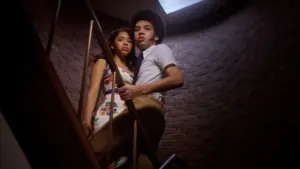
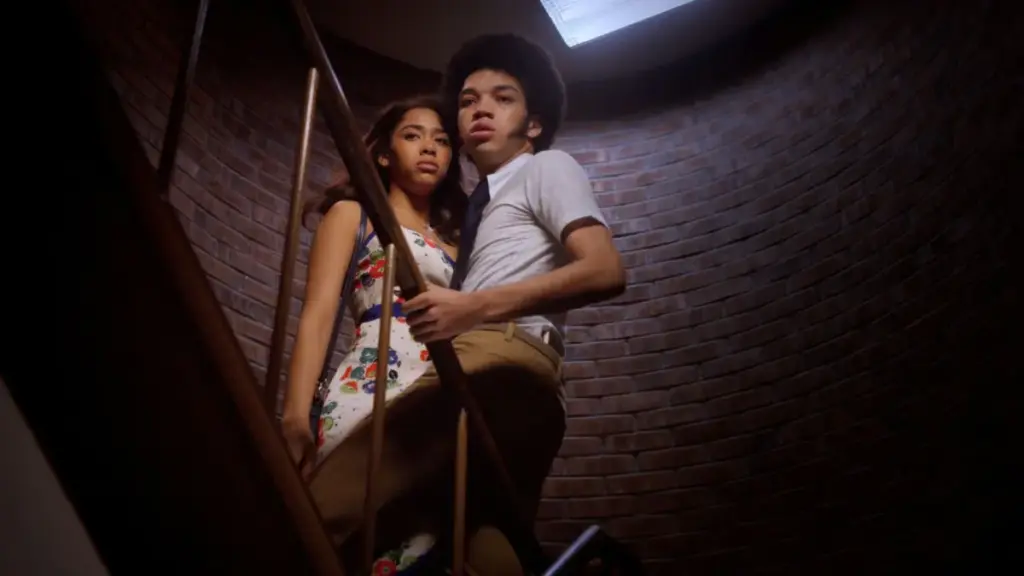
The narrative of The Get Down is as gritty as it is poetic. Set in the South Bronx of 1977, the series functions as both a coming-of-age drama and an origin myth for hip-hop. The story follows Zeke "Books" Figuero, played with vulnerable intensity by Justice Smith, and his DJ mentor, Curtis "Shaolin Fantastic" Caldwell, portrayed by Shameik Moore. Together, they navigate the volatile, creative pressure cooker of a city on the brink of bankruptcy, discovering a new art form that would eventually dominate global culture.

While the core of the show is the rise of the MC and the DJ, the scope is remarkably expansive. Luhrmann and his co-creator, playwright Stephen Adly Guirgis, crafted a tapestry of New York life that feels lived-in and authentic. The narrative threads weave through the corrupt halls of local politics, the dangerous influence of neighborhood gangsters, and the burgeoning punk scene in Manhattan. At the heart of this world is Mylene Cruz, played by Herizen F. Guardiola, whose journey to become a disco star—defying her father’s rigid expectations as a church pastor—serves as a vital counterpoint to the masculine energy of the hip-hop scene.
The ensemble cast was, by any measure, an embarrassment of riches. It featured Yahya Abdul-Mateen II as the charismatic, disco-obsessed gangster Clarence "Cadillac" Caldwell, and the legendary Jimmy Smits as the political operator maneuvering through the city’s complex power structures. Giancarlo Esposito provided a grounded, heavy presence as the patriarch of the Cruz family. Furthermore, the show utilized a unique narrative device, employing an adult Ezekiel (voiced by Daveed Diggs) to look back on his youth, while the actual bars delivered by the characters were penned by none other than Nas, who served as an executive producer and creative architect of the show’s lyrical identity.
A Baz Luhrmann Project Like No Other
A Baz Luhrmann project is always recognizable, and The Get Down was no exception. It possessed the director’s signature maximalist flair, blending stylized, hyper-saturated visuals with an intense, rhythmic editing pace. The show captured the decay of the Bronx—the burned-out buildings and the neglected streets—and transformed them into a stage of vibrant, neon-lit potential.

Crucially, the series avoided the pitfalls of the traditional musical. While characters often expressed their internal worlds through song, it did not follow the standard Broadway-style convention where plot stops for a performance. Instead, the music felt like the lifeblood of the environment. When an MC picks up the mic or a DJ begins to manipulate a vinyl record, the moment feels like a seismic shift in the culture. The series treated the origins of hip-hop with the reverence of a historical epic, going so far as to establish a "hip-hop boot camp" for the cast, led by industry titans like Grandmaster Flash and Kurtis Blow.
Grandmaster Flash, in particular, was instrumental in ensuring the show’s historical accuracy. He viewed the project as an opportunity to correct the public record. In discussions surrounding the show’s release, he emphasized that the general perception of hip-hop history often ignores the "ingredient years"—the foundational work done in the basements and parks of the Bronx before the genre hit the mainstream. Nas, who wrote the raps for the series, noted that the character of Ezekiel felt like a reflection of his own soul, bridging the gap between the past and the present through poetry and rhythm. This collaborative, research-heavy approach resulted in a show that felt less like a Hollywood adaptation and more like a love letter to the people who actually built the culture.
The Cost of Ambition: Why the Show Ended
Despite its creative success, The Get Down had a short life. The series was split into two parts: six episodes released in the summer of 2016 and a final five released in the spring of 2017. Shortly after the second half premiered, the show was canceled. The reasons were multifarious, but they were dominated by one factor: money. With a reported budget of $120 million, it was one of the most expensive television productions of its time.

The production was plagued by delays, budget overruns, and creative restructuring. Luhrmann, who directed the pilot, found himself spread thin as he attempted to balance the massive demands of a streaming epic with his other professional obligations, including his eventual move to direct the film Elvis. In interviews following the cancellation, Luhrmann described his role as a curator of a story that belonged to the community, rather than a singular auteur’s vision. While this community-focused storytelling was the show’s greatest strength, the sheer logistics of maintaining such a high-quality, high-budget production under the banner of a burgeoning streaming service proved too volatile.
Netflix’s decision to pull the plug on The Get Down became a bellwether for the company’s shifting strategy. In the years since, the streamer has gained a reputation for ruthlessly canceling series that do not deliver immediate, massive returns, often prioritizing new content cycles over the cultivation of long-term prestige dramas. For many, The Get Down serves as a reminder of a time when Netflix was willing to take massive, expensive swings on original stories that were not based on existing IP.
Could a Return Be Possible?
A decade later, the prospect of a revival remains a complex dream. There is no massive, organized campaign pushing for a return, and the cast has moved on to significant success. Shameik Moore has become a household name as the voice of Miles Morales in the Spider-Verse franchise, and Justice Smith has established himself as a versatile leading man in major blockbusters like Dungeons & Dragons: Honor Among Thieves.

Yet, the creative potential of a return is undeniable. A hypothetical follow-up could skip forward to the late 1980s, a period that saw hip-hop transform from a local Bronx phenomenon into a global powerhouse. Following the characters as they grapple with the complexities of fame, corporate influence, and the changing landscape of New York City would provide a natural, compelling narrative arc. It would allow the audience to see how the "eggs, flour, and sugar" of the 1970s eventually turned into the massive, multifaceted industry we recognize today.
While the odds of seeing Ezekiel and Shaolin Fantastic return to our screens remain slim, The Get Down stands as a testament to the power of original storytelling. It captured a lightning-in-a-bottle moment where historical significance met high-end artistic production. For those who have yet to experience it, the show remains available on Netflix—a vivid, rhythmic, and deeply moving time capsule. Whether or not it ever receives a formal revival, the series has already secured its place as a landmark of the streaming era, a bold experiment that proved just how much heart, soul, and rhythm could be packed into the small screen.