











In the landscape of modern television, the sheer volume of content available on streaming platforms can often be overwhelming, leading many viewers to stick to the most heavily advertised or algorithmic-recommended hits. Yet, some of the most compelling series of the past decade were produced during a specific transitional period of broadcast television—an era when networks like The CW were the primary source for genre-bending storytelling that bridged the gap between traditional procedural dramas and the burgeoning demand for high-stakes sci-fi, fantasy, and horror. Among the many shows that defined this era, one series stands out as a singular, yet largely overlooked, masterclass in tonal balance: iZombie.
While series like The Vampire Diaries and The 100 became cultural touchstones that eventually found massive audiences on platforms like Netflix and Hulu, iZombie—which ran for five seasons—remained a well-kept secret. It occupied a unique space in the network’s roster, offering a sharp, witty, and surprisingly heartfelt take on the zombie genre that felt both subversive and deeply entertaining. Now, for the first time in years, the entire series is available for free on YouTube, providing a perfect, low-barrier entry point for audiences to finally experience one of the most inventive shows of the last decade.
A Fresh Twist on the Undead
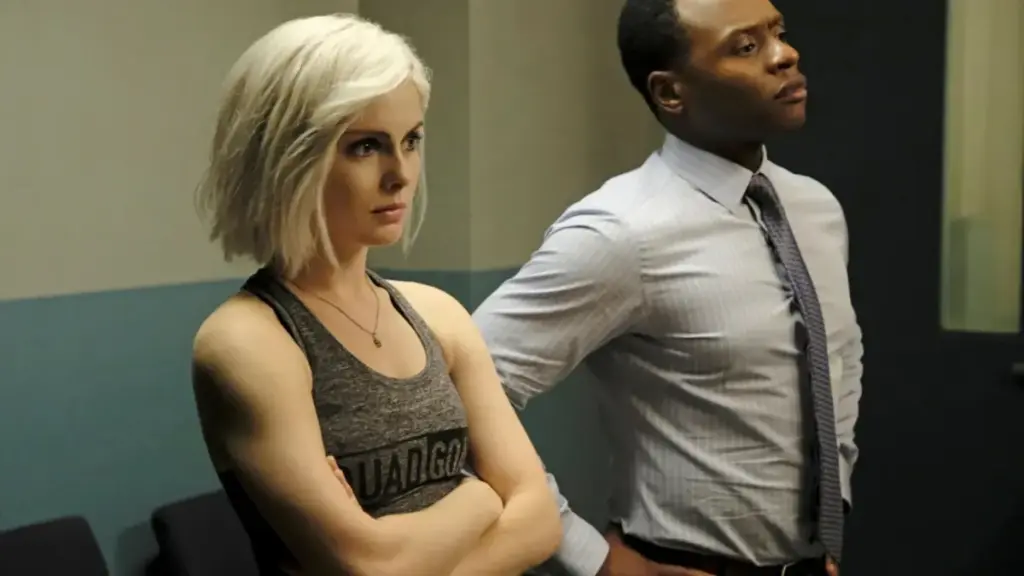
Premiering in 2015, iZombie was developed by Rob Thomas and Diane Ruggiero-Wright, the creative minds famously associated with the cult classic Veronica Mars. The show’s premise is deceptively simple but executed with a level of precision that distinguishes it from its peers. The series stars Rose McIver as Olivia “Liv” Moore, a promising medical resident whose life is irrevocably altered during a boat party that descends into a chaotic, zombie-filled nightmare.

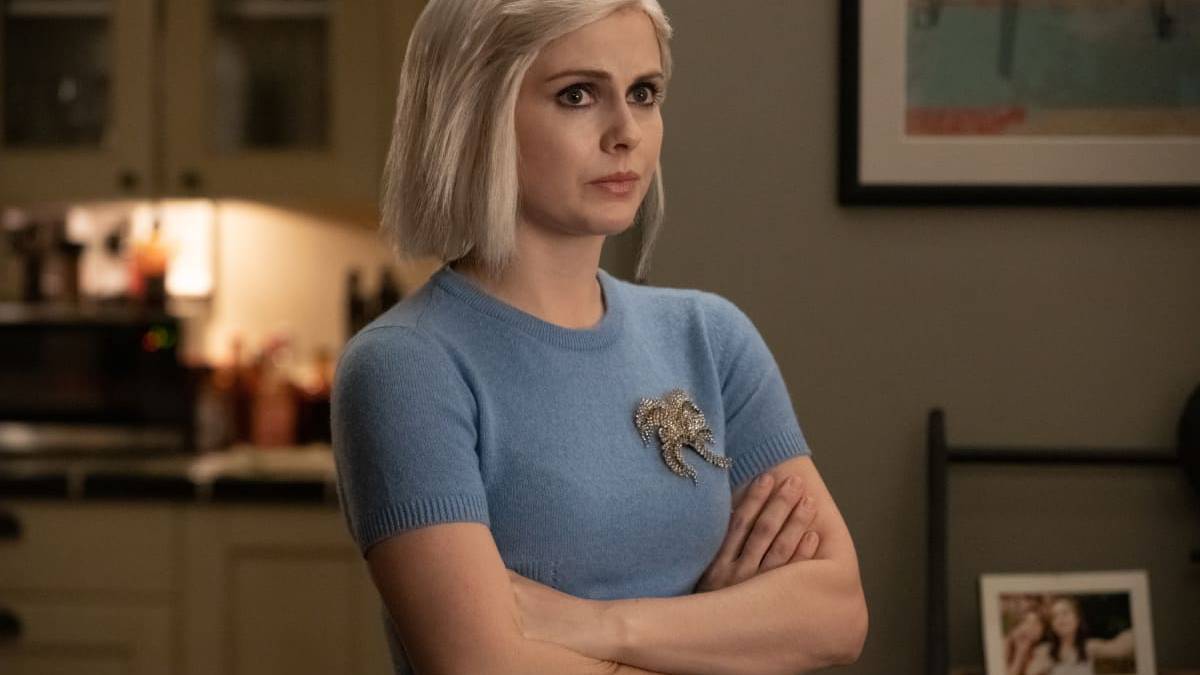
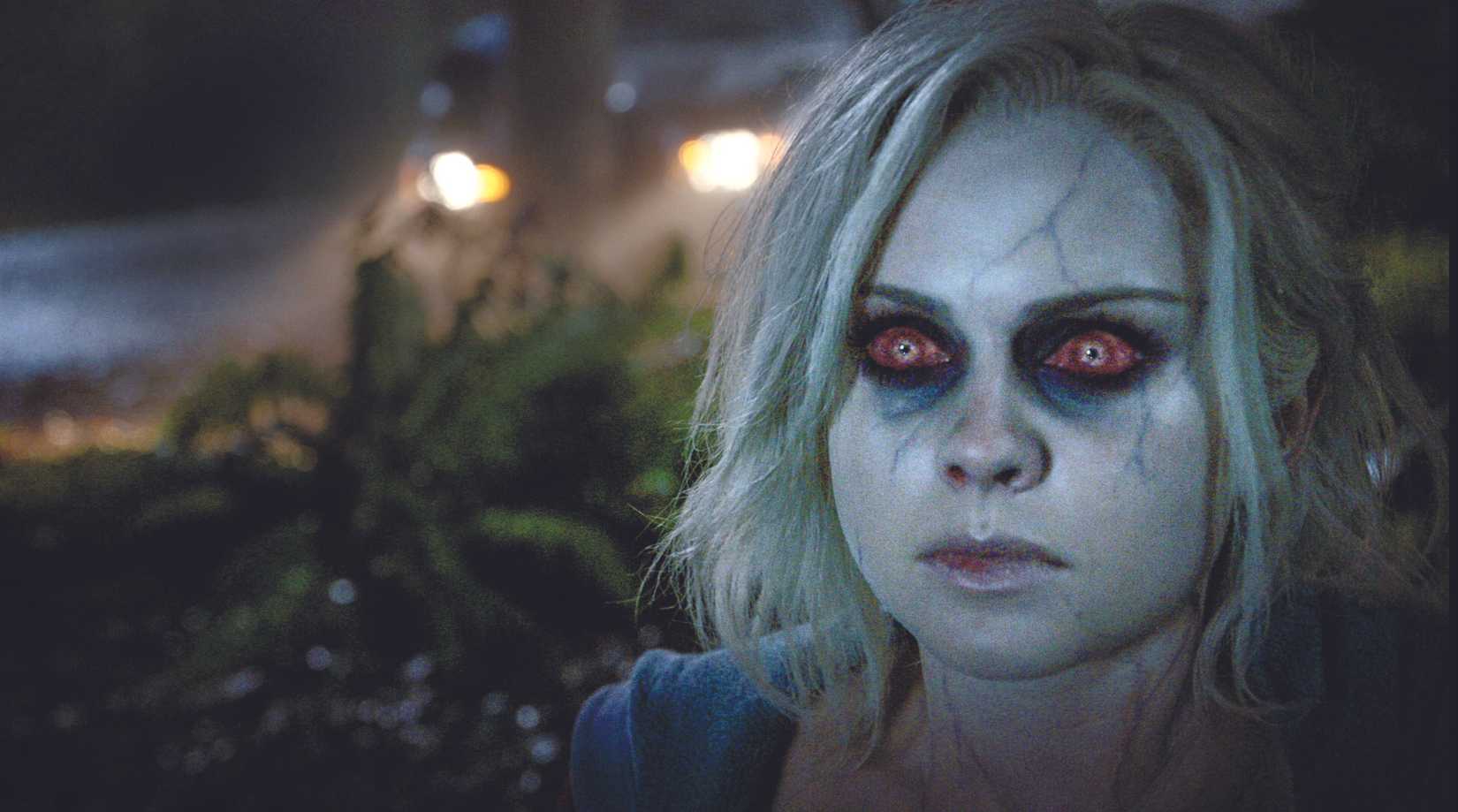
Liv wakes up with the telltale signs of the undead: stark white hair, pale skin, and an uncontrollable, gnawing hunger for human brains. The transformation forces her to abandon her medical career, break off her engagement to a man who represents the life she can no longer lead, and withdraw from her loved ones to protect them from the truth. In a bid to manage her condition while maintaining some semblance of humanity, she takes a job at the King County morgue. It is the perfect setting for her new reality; surrounded by the deceased, she has a steady, discreet supply of the food she requires to keep her consciousness intact and prevent her from descending into a full-blown, mindless “romero” zombie.
What makes iZombie so distinct is its structural DNA. While the premise could easily have leaned into pure horror or dystopian tragedy, the show instead embraces a clever, procedural-adjacent format. Whenever Liv consumes a brain, she inherits the memories, personality traits, and specific skills of the deceased. This quirk essentially turns every episode into a character study. By helping her detective partner, Clive Babineaux (played by Malcolm Goodwin), solve murders, Liv uses these “brain-induced” visions to track down killers.
The procedural element is not just a framing device; it is a creative playground. In one episode, Liv might inherit the kleptomania of a murder victim, leading to awkward and hilarious social situations, while in the next, she might find herself burdened with the intense, aggressive personality of a professional hitman. This structure allows Rose McIver to showcase her impressive range as an actress, as she seamlessly transitions between different personas week after week. The show maintains a chirpy, irreverent tone, punctuated by dark humor that keeps the stakes feeling grounded despite the supernatural premise. It is a show that balances the “whodunnit” tension of a detective drama with the emotional stakes of a character-driven comedy, all while operating under the umbrella of a zombie apocalypse.

A Deep Bench of Characters
While the show is anchored by McIver’s performance, its success is largely due to its ensemble cast. The dynamic at the morgue is the heart of the series. Her boss, Dr. Ravi Chakrabarti (Rahul Kohli), serves as the audience surrogate and the show’s moral compass. Ravi is the first to learn of Liv’s condition, and rather than reacting with fear, he becomes her staunchest ally, working tirelessly in his lab to find a cure. Their relationship is one of the most endearing aspects of the series, defined by a witty, platonic chemistry that provides much of the show’s warmth.
Then there is Clive Babineaux, the homicide detective who remains largely in the dark about the true nature of Liv’s “psychic” abilities for a significant portion of the series. His confusion, frustration, and eventual begrudging reliance on Liv’s uncanny intuition create a compelling professional partnership. The way the show manages to keep Clive involved without immediately revealing the full scope of the zombie reality is a testament to the writers’ ability to maintain suspense and character integrity.
Evolving Mythology and Social Commentary
While the show’s procedural format is its initial draw, iZombie never remains static. As the seasons progress, the scope of the story expands far beyond the morgue. What begins as a contained mystery-of-the-week series gradually unspools into a grander, more complex narrative about a zombie outbreak and its societal, political, and moral consequences.
When discussing the show’s direction early on, Rob Thomas made it clear that he wanted the series to explore the broader implications of its premise. Drawing parallels to his work on Veronica Mars, Thomas emphasized that the show would balance individual case files with a larger, season-long arc involving a vast zombie mythology. This meant that the series was not just about Liv’s personal struggles, but about how a city—and eventually the world—would react to the existence of the undead.
The series explores themes of prejudice, marginalization, and the struggle to maintain one’s identity in the face of dehumanizing circumstances. As the zombie population grows, the show grapples with the logistics of survival, the ethics of the brain trade, and the inevitable political maneuvering that arises when a new, misunderstood species emerges within human society. Despite these increasingly heavy themes, the show never loses its signature charm. It remains anchored by the same rom-com sensibilities and irreverent humor that defined its pilot.
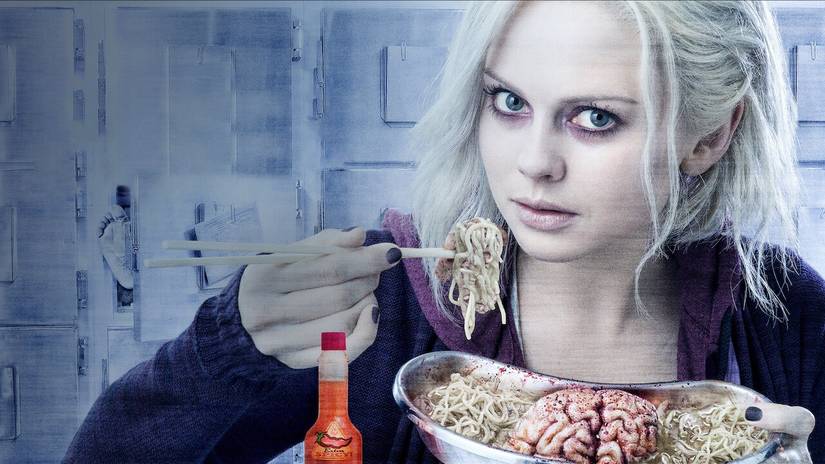
One of the most iconic stylistic choices in the series is the recurring motif of Liv preparing the “perfect” meal. Because she must consume brains to survive, the show treats these moments with a strange, culinary flair. Liv frequently prepares elaborate, gourmet-style dishes using brains as the primary ingredient—often pairing them with hot sauce, pasta, or smoothies. These scenes are a perfect microcosm of the show’s tone: they are simultaneously disturbing, funny, and strangely entrancing, often drawing comparisons to the high-end, gruesome presentation seen in Hannibal, albeit with a much more lighthearted, CW-flavored sensibility.
Why It Remains a Must-Watch
A decade ago, the television landscape was significantly different. Viewers had fewer options for niche, genre-blending content, and a show like iZombie—which defied easy categorization—often struggled to find a mainstream foothold. In hindsight, it is clear that the show was ahead of its time. It was a series that dared to be weird, smart, and deeply human all at once. It took a pop culture icon—the zombie—and stripped away the traditional tropes of shambling, mindless monsters to tell a story about a young woman trying to maintain her humanity in a world that didn’t know she was already dead.
For viewers who missed it during its initial run, the availability of the full series on YouTube is a significant development. It offers a chance to binge a show that remains as sharp and satisfying as it was upon its debut. iZombie is the rare type of television that manages to be a comforting procedural while simultaneously challenging its audience with dark, complex narratives. It is, ultimately, a testament to the creativity that thrived in the mid-2010s, proving that even a show about a brain-eating zombie can offer a profound, hilarious, and deeply moving reflection of the human experience. With every episode now easily accessible, there has never been a better time to step into the morgue and discover why this series remains the best-kept secret of its era.