








The arrival of October serves as a cultural signal, a time when the crisp autumn air and shortening days turn the collective public imagination toward the macabre. As is tradition, major streaming services have begun bolstering their horror libraries, anticipating the annual surge in demand from viewers eager to embrace the unsettling, the supernatural, and the downright terrifying. For those looking to curate the perfect cinematic experience to usher in the Halloween season, the current landscape offers a diverse array of selections, ranging from foundational genre classics to visceral, contemporary nightmares that challenge the boundaries of the medium.
Whether one is a devotee of the slasher subgenre, a fan of psychological suspense, or someone drawn to the darker intersections of romance and body horror, the current streaming rotation provides a wealth of options. The following films represent a cross-section of the genre, offering everything from the adrenaline-fueled pacing of 90s cult favorites to the thoughtful, atmospheric dread of modern indie productions.
Bones and All (2022)
Among the more provocative additions to the horror catalog is Luca Guadagnino’s Bones and All. This film offers an unsettlingly intimate take on the concept of young love, framed through the lives of two protagonists who share a singular, gruesome affliction: they are cannibals. The story follows Maren, played by Taylor Russell, a young woman struggling with the isolation of her predatory impulses. Her journey becomes a desperate, cross-country quest to locate the mother she never knew and find answers regarding her own nature.


Along the way, she encounters Lee, portrayed by Timothée Chalamet, a fellow "eater" who becomes her companion in a transient, dangerous existence. Guadagnino, known for his ability to craft lush, sensual environments, treats the landscapes of the American Midwest with the same reverence he brought to the Italian Riviera in Call Me by Your Name. However, the film is arguably most notable for its delicate balance between the romantic yearning of its leads and the horrific reality of their survival. It serves as a complex metaphor for how families and social circles inadvertently enable aberrant behavior, and how the protective instincts of parents can sometimes leave their children ill-equipped for the harsh realities of the outside world.
Doctor Sleep (2019)
Decades after Stanley Kubrick’s The Shining left an indelible mark on the horror genre, director Mike Flanagan took on the daunting task of adapting Stephen King’s sequel, Doctor Sleep. Set thirty-one years after the harrowing events at the Overlook Hotel, the film catches up with a middle-aged Danny Torrance, played by Ewan McGregor. Danny remains haunted by the trauma of his father’s psychological collapse and subsequent violence. Flanagan’s adaptation succeeds by leaning into the psychic elements of King’s source material, positioning Danny as a protector for a young girl who possesses a formidable version of "the Shining." Their struggle against a group of nomadic, soul-draining entities known as the True Knot provides a tense, supernatural expansion of the original story’s lore, grounding the cosmic horror in the very human struggle of addiction and recovery.
From Dusk Till Dawn (1996)
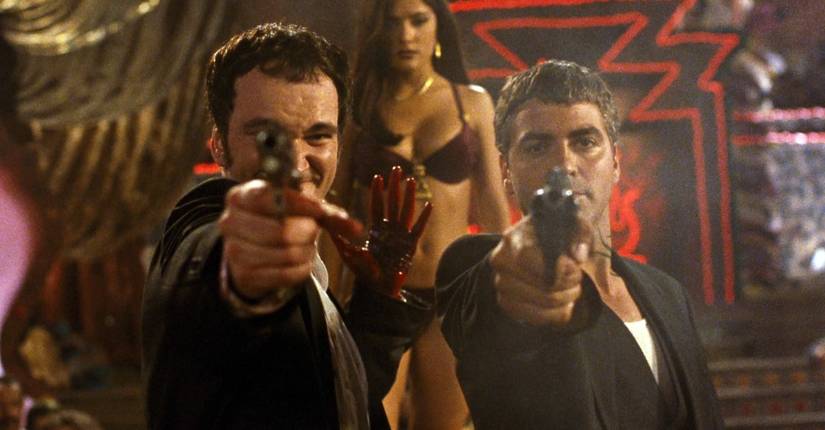
For those who prefer a more aggressive, grindhouse-inspired experience, the cult classic From Dusk Till Dawn remains an essential watch. Written by Quentin Tarantino and directed by Robert Rodriguez, the film famously defies expectations by starting as a tense crime drama before violently shifting gears into a supernatural splatter-fest. George Clooney and Tarantino star as the Gecko brothers, two bank robbers on the run who cross into Mexico to seek refuge at an isolated, all-night strip club. The narrative takes a sharp turn when they discover that the establishment is not a typical roadside bar, but a sanctuary for a coven of vampires. It is a high-octane, irreverent piece of filmmaking that revels in its own absurdity and remains a standout in the mid-90s horror landscape.

It Follows (2014)
Few films in the last decade have managed to extract as much tension from a modest budget as David Robert Mitchell’s It Follows. The premise is deceptively simple: a relentless, supernatural force stalks its prey, appearing in the guise of various strangers, walking at a steady, unwavering pace until it catches up to its target. The curse is transmitted through intimacy, leaving the protagonist, Jay Height (Maika Monroe), in a state of constant, paranoid transition. The film is a masterclass in atmospheric dread, utilizing wide-angle shots and a haunting, synth-heavy score to create a sense of inescapable claustrophobia. By stripping away complex mythology, the film focuses on the primal fear of mortality and the feeling that something—or someone—is always closing in.
Hokum (2026)
Representing the newer wave of horror, Hokum enters the rotation with a premise rooted in the classic trope of the haunted vacation. The story centers on Adam Scott, who plays Ohm Bauman, an American author traveling to a remote Irish hotel to scatter his parents’ ashes. The narrative shifts into unsettling territory when he discovers that the honeymoon suite where his parents stayed remains locked, reportedly haunted by the spirit of a witch. As Bauman navigates the hostility of the local staff and residents, he is forced to confront both the secrets of his family’s past and the pervasive, lingering dread of the hotel itself. It is a slow-burn mystery that relies heavily on its setting and the psychological unraveling of its protagonist.
A Nightmare on Elm Street (1984)
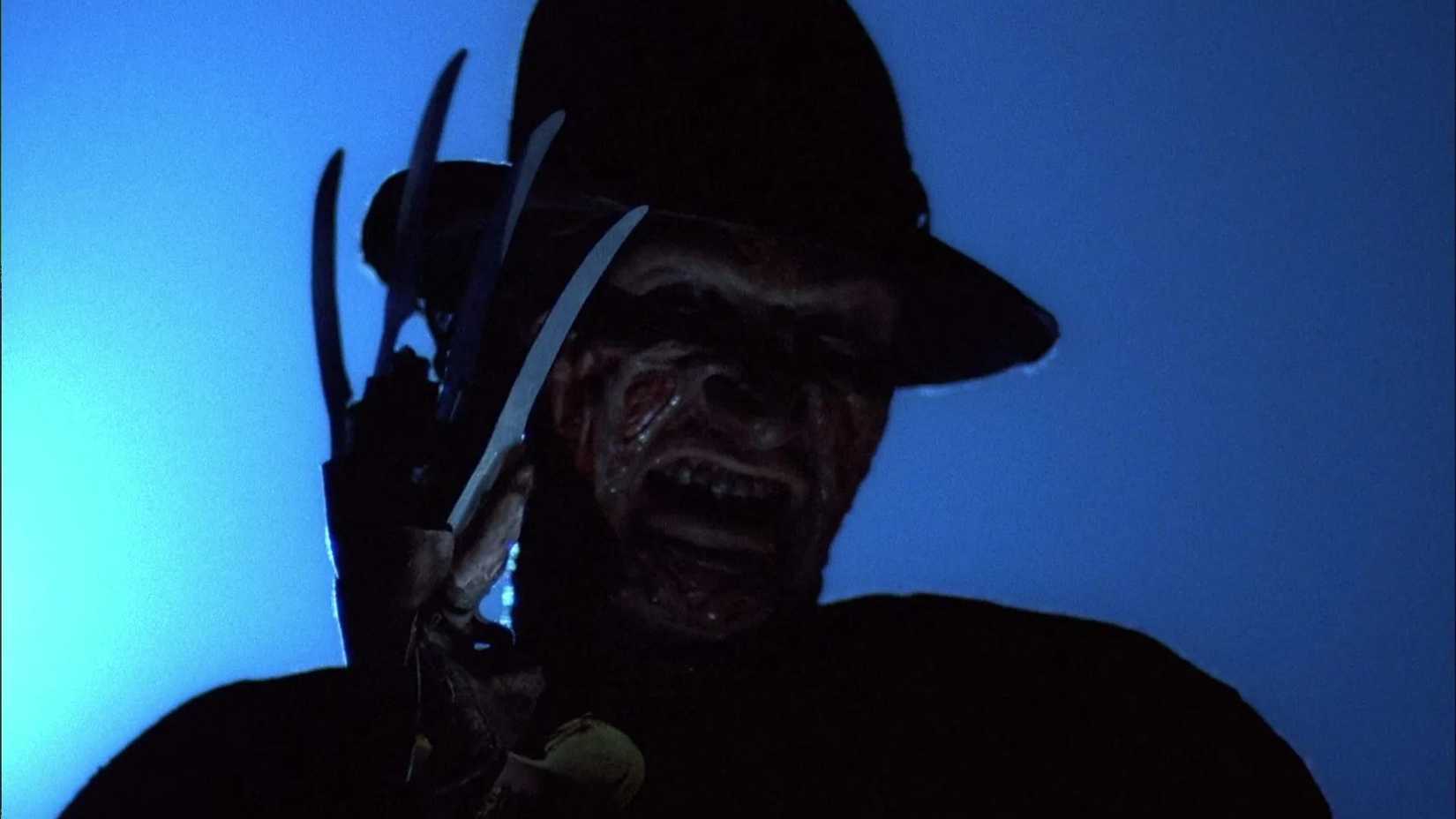
It is difficult to discuss horror history without acknowledging the massive impact of Wes Craven’s A Nightmare on Elm Street. The film introduced audiences to Freddy Krueger, the scorched, bladed antagonist who haunts the dreams of teenagers, turning the one place they should be safe into a lethal trap. Robert Englund’s iconic performance redefined the slasher subgenre, moving away from the silent, hulking killers of the late 70s toward a more sadistic, articulate villain. Decades later, the film remains remarkably effective, not just for its creative kills, but for the fundamental, primal fear it exploits: the loss of control that comes when one closes their eyes to sleep.
Psycho (1960)
Alfred Hitchcock’s Psycho stands as the blueprint for the modern slasher, a film that fundamentally changed the trajectory of cinematic suspense. Even for viewers who have never seen the full feature, the imagery of the shower scene—the frantic cutting, the screeching violins, and the tragic fate of Marion Crane—has become part of the global cultural lexicon. The film follows Crane, an embezzling secretary who seeks refuge at the secluded Bates Motel, managed by the quiet and seemingly harmless Norman Bates. The tension, however, lies in the slow realization that there is something profoundly wrong at the motel, leading to one of the most famous twist revelations in cinema history.
Scream (1996)
If A Nightmare on Elm Street established the rules of the slasher, Scream—also directed by Wes Craven—famously deconstructed them. Written by Kevin Williamson, the film centers on a group of high school students who find themselves being hunted by a masked killer who is obsessed with horror movie tropes. The film works on two levels: it functions as a genuinely scary slasher, but it also serves as a meta-commentary, where the characters’ knowledge of horror cinema is a literal matter of survival. The success of the film spawned a franchise, and with the original and its sequels currently available for streaming, viewers have the opportunity to engage in a comprehensive marathon of the series.
Freaks (2019)
Rounding out the list is the genre-bending thriller Freaks. The film centers on a young girl named Chloe, played by Lexy Kolker, who has spent her entire life confined within a dilapidated suburban house. Her father, Henry (Emile Hirsch), maintains a climate of absolute fear, warning her that the "bad people" outside will hurt them if she ever leaves. The film excels as a slow-burn mystery, gradually pulling back the curtain on the true nature of their confinement and the strange, heightened reality they inhabit. It is a story that focuses on the fraying nerves of a family in crisis, blending elements of science fiction and horror to create a deeply unsettling viewing experience.
The Sixth Sense (1999)
Finally, M. Night Shyamalan’s The Sixth Sense remains a definitive psychological thriller. The story of Malcolm Crowe, a child psychiatrist struggling to help a young boy named Cole Sear who possesses the ability to see the dead, is as much a drama about grief as it is a ghost story. The film is remembered for its shocking final act, but its enduring power lies in the performances and the somber, melancholy atmosphere that pervades every scene. It is a film that rewards careful observation and remains a cornerstone of late-90s suspense, proving that true terror can often be found in the quiet, unspoken spaces between the living and the dead.