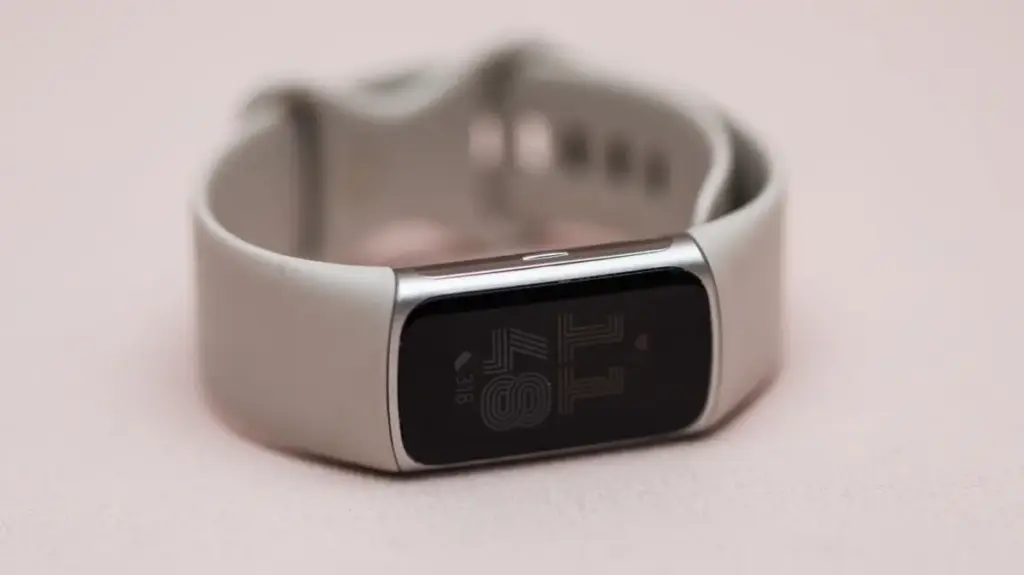
Google has moved to clear the air regarding its wearable roadmap, effectively confirming the imminent arrival of a new fitness tracker. After weeks of mounting speculation, leaked marketing imagery, and industry rumors, the tech giant took to social media to signal that the "Fitbit Edge" is no longer just a subject of conjecture—it is a near-term reality.
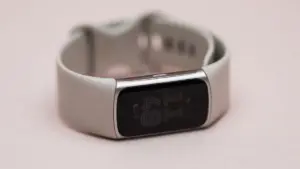
In a pair of coordinated updates posted to Instagram and X (formerly Twitter) by the Google Health accounts, the company provided the clearest hint yet at the device’s identity. The posts featured a high-resolution, close-up image showcasing what appears to be the chassis of a new wearable, specifically highlighting a tactile side button. The accompanying caption was concise but definitive: "Get an Edge on your health. 10.12.26." By capitalizing "Edge," Google has signaled that the branding previously suggested by industry leaks is indeed the official moniker for its latest fitness-focused hardware. The date included in the post, October 12, 2026, serves as the company’s intended launch window, marking the moment when the public will finally see the device in its entirety.
This confirmation arrives at a critical juncture for Google’s hardware ecosystem. The Fitbit Edge is expected to occupy a specific, strategic niche within the company’s broader lineup. For months, analysts have theorized that the device is intended to bridge the gap between two very different product tiers: the entry-level, screenless Fitbit Air, which launched earlier this year as a minimalist health-tracking solution, and the premium Pixel Watch 5, which continues to serve as the flagship device for users seeking a full-featured smartwatch experience. By positioning the Edge in this "middle ground," Google appears to be addressing a segment of the market that desires the visual feedback and utility of a screen without the complexity or price point of a high-end wearable.

The path to this confirmation has been paved with an unusual volume of early disclosures. The existence of the tracker first surfaced in mid-August, when eagle-eyed observers at 9to5Google identified an unfamiliar, unbranded fitness tracker appearing in promotional materials for the Pixel 11 smartphone. At that time, the device was an enigma, but it suggested that a new product was already deep into the production cycle.
As the weeks progressed, the details became increasingly granular. Earlier this week, Android Headlines published a series of images that provided a much clearer look at the Fitbit Edge, revealing not just its aesthetic design but also glimpses into the software interface, built-in applications, and specialized health-tracking capabilities. These leaks suggested a focus on the refined, data-centric health monitoring that Google has been emphasizing since its acquisition of Fitbit.
The narrative was further bolstered by a comprehensive report from the French publication Dealabs, which offered perhaps the most detailed look at the device’s technical specifications and pricing strategy to date. According to the report, the Fitbit Edge is poised to offer a flexible battery performance profile, capable of lasting up to seven days on a single charge when the always-on display is disabled. For users who prioritize the convenience of an always-on screen, the battery life is expected to drop to approximately two days—a trade-off that is standard for modern trackers but a notable step up from more intensive smartwatches.
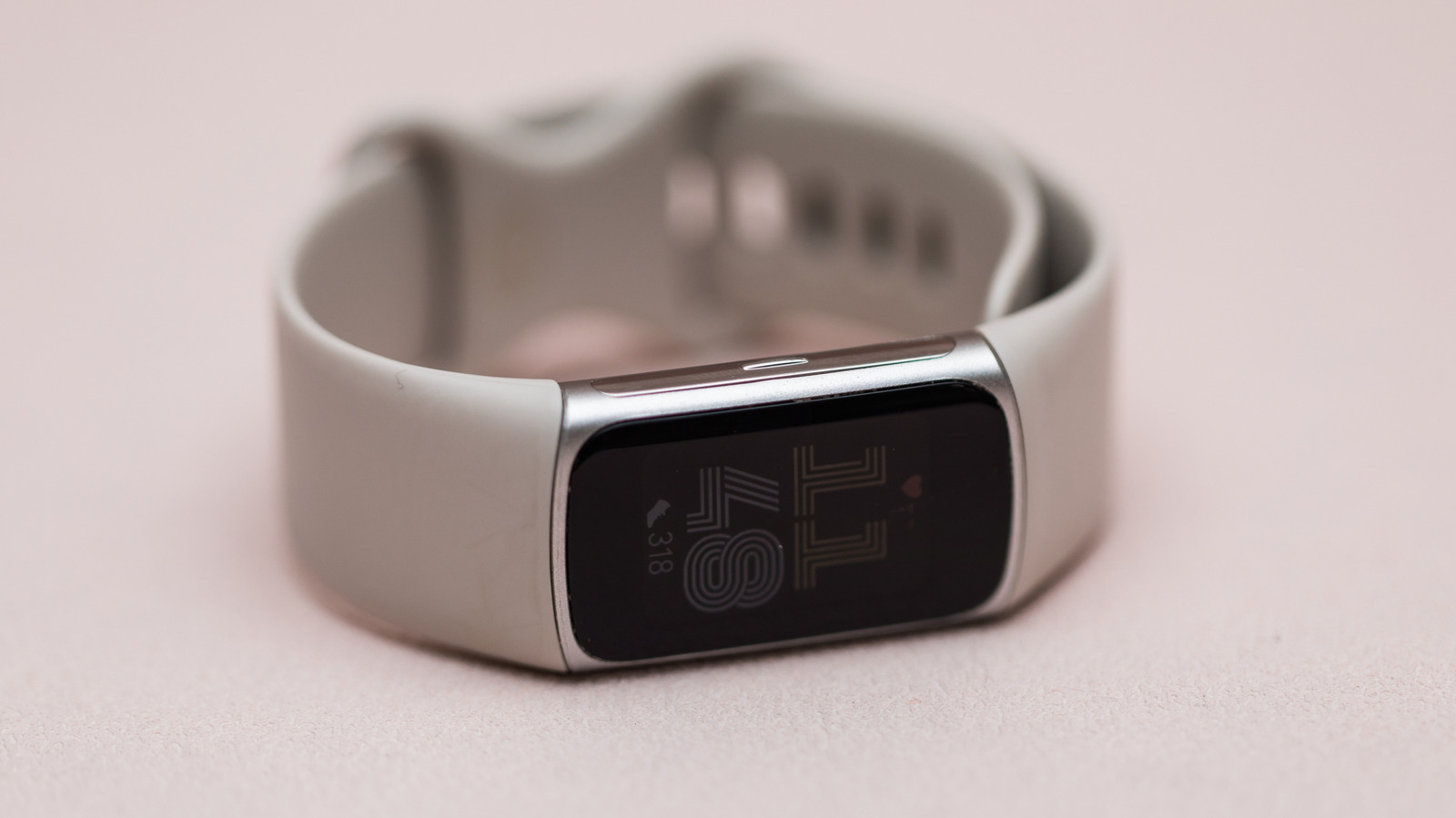
Pricing, while subject to regional fluctuations, is also coming into focus. The Dealabs report pointed toward a European price point of €179. If this translates to the U.S. market, consumers can likely expect a price in the neighborhood of $180. This valuation is significant because it provides a clear cost ladder for potential customers. With the Fitbit Air currently serving as an accessible entry point at $99, the Edge appears designed to capture the "prosumer" demographic that wants more than basic activity counting but isn’t ready to commit to the significantly higher investment required for a top-tier Pixel Watch.
The introduction of the Fitbit Edge is a logical evolution for Google’s strategy, which has spent the last few years attempting to harmonize the Fitbit brand’s legacy with the broader Google ecosystem. The last time the company introduced a similarly sized tracker was the release of the Fitbit Charge 6 in 2023. The Charge 6 was well-received for reintroducing the physical side button, a feature that many users found essential for navigation during intense workouts when touchscreens can be unreliable due to sweat or moisture. The inclusion of a physical button on the Edge—as confirmed by the recent teaser—suggests that Google is listening to user feedback regarding physical interface preferences.
Beyond the hardware itself, the Fitbit Edge is widely expected to act as a gateway to Google’s broader software services. For years, Google has been steadily building out its "Google Health" initiatives, pushing the value proposition of its Premium subscription model. By providing deeper insights, personalized coaching, and historical health trend analysis, the subscription service is the cornerstone of the company’s long-term goal to make health tracking more than just a passive activity. The Edge, with its potential for more advanced sensors and a more intuitive display interface than the Air, will likely be a primary vehicle for demonstrating the utility of these premium features.
The strategy also reflects the changing demands of the wearable market. Consumers are increasingly seeking devices that are less intrusive than a full smartwatch—which can often feel like an extension of one’s smartphone with constant notifications and app management—yet more capable than a basic activity band. By offering a device that is thin, stylish, and focused on health, Google is attempting to carve out a territory where fitness tracking feels like a lifestyle tool rather than a piece of computing machinery.
As the industry prepares for the October 12 reveal, the focus will undoubtedly shift to how the device handles real-world usage. While specs like battery life and design are important, the success of the Fitbit Edge will likely hinge on the accuracy of its health sensors and the fluidity of its integration with the Google Health platform. The transition from the Fitbit app ecosystem to a more unified Google-branded health experience has been a gradual process, and the Edge represents a significant step in that migration.
Whether the device lives up to the expectations set by the recent wave of leaks remains to be seen. However, the confidence with which Google has teased the product suggests that they are prepared for the device to play a major role in their holiday sales strategy. By leaning into the "Edge" branding, the company is clearly positioning this device as a competitive option for those looking to gain an advantage in their personal health journey. For now, the tech community must wait until the October event to see the full capabilities of the tracker, but the confirmation from Google has effectively ended the guessing game regarding its existence and imminent release. The stage is now set for a product that aims to simplify the complexities of modern health tracking while bringing the full weight of Google’s AI-driven health insights to the wrists of everyday users.