Apple is poised to make its most significant move into the smart home market in years. According to reports from Bloomberg’s Mark Gurman, the tech giant is scheduled to announce a brand-new smart home hub, branded as the "HomeView," this coming Tuesday. The announcement marks the culmination of long-standing rumors and development efforts, signaling that Apple is finally ready to challenge the status quo established by Amazon’s Echo Show and Google’s Nest Hub lineups.
For years, observers have noted that while Apple has successfully integrated its hardware into millions of homes, it has struggled to position its smart home ecosystem as the primary nerve center for modern households. Despite the introduction of the HomeKit software framework and the various iterations of the HomePod smart speaker, Apple has often been perceived as a secondary player in the broader Internet of Things (IoT) landscape. The HomeView, however, appears to be designed to rectify this by offering a dedicated, centralized interface for control, automation, and communication.
The Evolution of the Smart Hub Concept
The path to the HomeView has been anything but linear. For the past several years, tech analysts and industry insiders have tracked reports of a "missing link" in Apple’s hardware portfolio—a device that could serve as a permanent, interactive fixture within the home. Earlier in 2025, reports surfaced indicating that the project had faced significant internal delays, reportedly hampered by technical challenges related to integrating a highly capable version of Siri that could meet the company’s performance standards.

With the official reveal now imminent, it appears those hurdles have been cleared. According to Gurman, the HomeView is designed as a Siri-powered smart display that functions as the primary control surface for the connected home. The device is expected to be powered by the A18 chip, the same high-performance silicon that drives Apple’s latest mobile devices. By leveraging the A18, the HomeView will likely offer the processing power necessary for on-device machine learning, faster Siri responses, and fluid interface navigation, distinguishing it from lower-powered competitors that rely heavily on cloud processing.
The design philosophy behind the HomeView reflects a recognition of the diverse ways people interact with their living spaces. Apple plans to launch the device in two distinct configurations: one designed specifically for countertop placement, such as in a kitchen or on a nightstand, and another engineered to be mounted directly onto walls. This dual-form-factor approach suggests that Apple is aiming for both versatility and aesthetic integration, moving beyond the "gadget on a shelf" look toward a more permanent, architectural role in the home.
A Renewed Strategy for the Smart Home
This launch represents a pivotal shift for Apple’s home strategy. While HomeKit allowed users to control devices via their iPhones and iPads, the lack of a dedicated, always-on, screen-based hub left a gap that competitors were quick to fill. By introducing the HomeView, Apple is essentially doubling down on its commitment to the smart home sector. It is a clear admission that for the "smart home" vision to succeed, the user experience must be frictionless and hardware-centric, rather than relegated to an app on a smartphone.
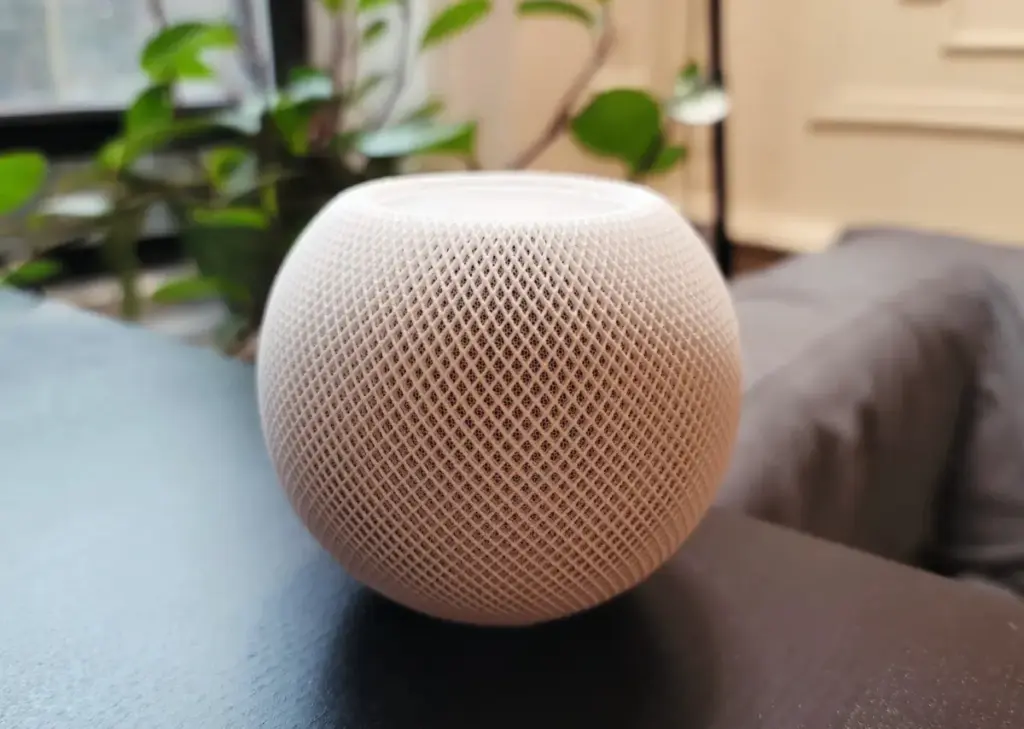
The significance of the HomeView extends beyond its own capabilities. It serves as a focal point for a wider effort to revitalize Apple’s home-focused portfolio. Concurrent with the announcement of the HomeView, Apple is expected to reveal updated versions of its existing home hardware. The Apple TV set-top box, a long-time staple of the living room, is reportedly receiving a refresh to better align with the new hub’s capabilities. Additionally, the HomePod mini—which has served as a modest entry point for Apple’s home audio and voice-control ecosystem—will see an update, ensuring it can interoperate seamlessly with the HomeView’s more advanced features.

Expanding the Ecosystem Through Partnerships
Perhaps the most surprising aspect of Apple’s current home strategy is its willingness to look outward for hardware integration. While Apple is historically known for its "walled garden" approach, where control and hardware are kept strictly in-house, the company is reportedly moving toward a new collaborative model.
Reports indicate that Apple plans to announce a strategic partnership with LG. This collaboration is expected to result in a suite of smart home accessories, including smart locks, thermostats, and doorbell cameras. By partnering with an established manufacturer like LG, Apple can accelerate its footprint in the home hardware market without having to reinvent every single component of the modern house from scratch. This move suggests that Apple is prioritizing rapid expansion and broad compatibility over the rigid, total-control approach that characterized its earlier attempts at dominating the home market.
The timing of these announcements is critical. With the HomeView expected to hit shelves by mid-November, Apple is positioning itself to capture significant market share during the busy holiday shopping season. For consumers who have already invested in the Apple ecosystem—owning iPhones, Macs, and Apple Watches—the HomeView promises to be the long-awaited "glue" that binds their disparate smart devices together into a cohesive, manageable unit.
As the industry prepares for Tuesday’s event, the core question remains: will the HomeView succeed where previous Apple home products have faltered? By combining a powerful processor, a dedicated interface, and a more open approach to third-party hardware partnerships, Apple is certainly providing itself with the best possible tools for success. If the integration between the HomeView, the updated Apple TV, and the new LG-manufactured accessories is as seamless as the company’s history suggests it can be, the HomeView could very well become the standard-bearer for the next generation of smart home technology.
The focus on the A18 chip is particularly telling. It underscores Apple’s belief that the smart home of the future is not merely a terminal for voice commands, but a sophisticated computing environment that requires significant local processing power. Whether for handling security footage, managing complex home automation routines, or facilitating advanced AI interactions, the hardware specifications suggest that the HomeView is intended to be a long-term investment for the household, capable of evolving as new software features are introduced.
As the countdown to the official unveiling begins, the tech community remains fixed on whether these developments will translate into a genuine shift in consumer behavior. For Apple, the stakes are high, but the potential to finally cement its place as the central nervous system of the modern home is arguably greater than it has ever been.