










Authorities in Western Australia have successfully dismantled a significant portion of TeamPCP, a prolific cybercrime syndicate responsible for what is widely considered the longest-running and most disruptive software supply chain attack spree in recent memory. The Australian Federal Police (AFP) confirmed today that two men, aged 21 and 23, were taken into custody following a joint operation involving the FBI and local law enforcement. The suspects are accused of orchestrating a sophisticated global campaign that weaponized open-source software to infiltrate thousands of businesses, harvest sensitive cloud credentials, and facilitate widespread data extortion.
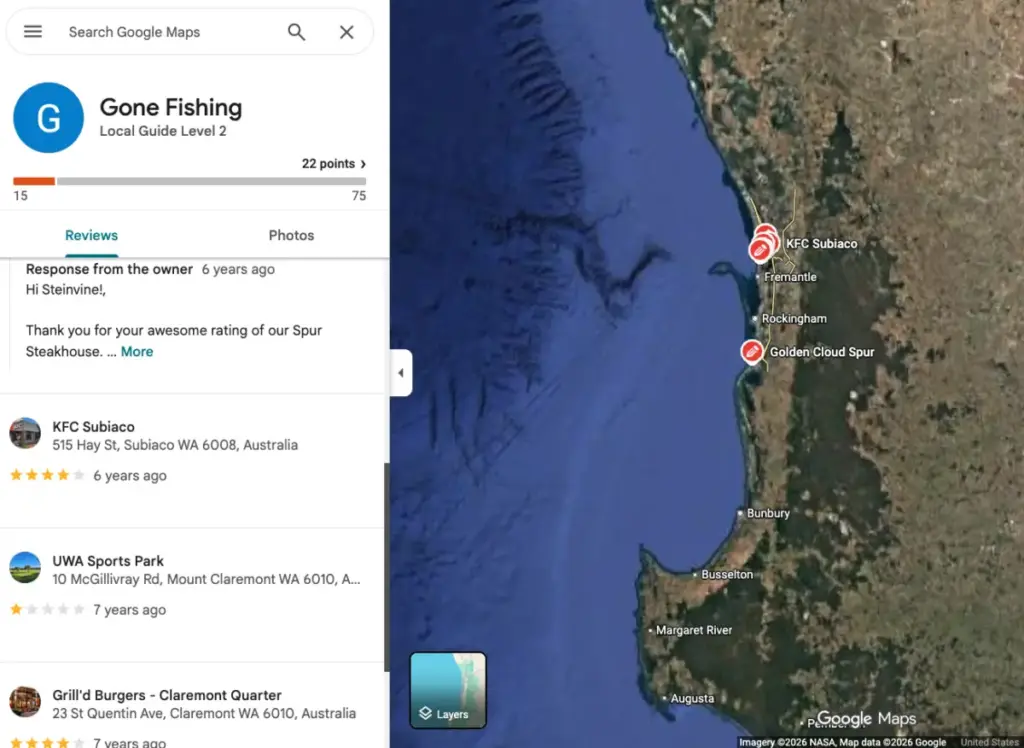
The arrest marks a definitive turning point in an investigation that has captivated the cybersecurity community since TeamPCP first surfaced in late 2025. While the AFP has not publicly identified the defendants by name, subsequent reporting from the Australian Broadcasting Corporation (ABC) and investigative analysis by KrebsOnSecurity have identified the primary suspects as 21-year-old Ruben Ian Thomson and 23-year-old Michael Gaebler. Both men were arrested in Perth and are currently being held in custody following a court hearing where bail was denied for Thomson.

The Rise of the Shai-Hulud Worm
TeamPCP’s operational model relied on a cyclical, self-propagating strategy that exploited the inherent trust within the open-source development ecosystem. The group’s primary weapon, a sophisticated worm dubbed "Shai-Hulud," was designed to embed malicious code into open-source software tools. Once these poisoned tools were downloaded by unsuspecting developers, the malware would compromise their machines, often stealing credentials that allowed the hackers to publish further malicious updates.

This "cyclical exploitation" meant that TeamPCP could turn a single breach into a cascading series of attacks. As journalist Andy Greenberg noted in his coverage of the group, the hackers would gain access to a network where a tool was being developed, plant malware that spread to other developers, and use those subsequent infections to secure access to even more prominent code repositories. This tactic effectively allowed their collection of breached networks to grow exponentially, turning the software supply chain into a conveyor belt for their criminal activities.

The group’s audacity extended to incentivizing this cycle of destruction. In May, TeamPCP launched a hacking contest, offering a $1,000 prize in Monero (XMR) to participants who could conduct the most effective supply chain operations using the Shai-Hulud code. The scoring system—based on the number of downloads of compromised packages—directly encouraged participants to target the most popular and widely used code libraries, maximizing the potential impact of their attacks. As security firm Dataminr pointed out, the prize money was merely a "recruitment floor," serving as a talent acquisition strategy to identify and leverage skilled malicious actors at scale.
The tangible impact of these methods was profound. In March, the group targeted AI infrastructure by compromising LiteLLM, an open-source gateway used to connect users to over 100 large language models. A subsequent analysis by CloudSEK estimated that the breach exposed cloud service keys and sensitive data from over 2,500 organizations, including many major global technology firms. By May, the group claimed to have compromised at least 3,800 repositories on GitHub after a developer fell victim to a malicious code extension, further highlighting the systemic vulnerability of modern software development pipelines.

An Amalgamation of Threat Actors
Security experts have described TeamPCP not as a traditional, hierarchical criminal organization, but rather as an amorphous "peer community" of threat actors. Austin Larsen, a principal threat analyst at Google’s Threat Intelligence Group, noted that the group acts as a center of gravity for various individuals who collaborate toward shared goals.
This center of gravity was heavily influenced by George Prepakis, a security researcher and exploit developer known by the handle @kernelstub. Prepakis reportedly established a Matrix chat server dubbed "Cybercats," which served as the primary communication hub for TeamPCP and other associated cybercriminal entities. Members of this group often used their social media profiles to taunt victims publicly, sometimes posting about their successes before the incidents had even been reported in the media.

The Cybercats roster included individuals with diverse criminal backgrounds. "Boxturtle," known on X as @xpl0itrsturtle, is a data breach broker who has been linked to the sale of stolen information from major automobile manufacturers, including BMW, Audi, and Mercedes-Benz. Another administrator, "SeesawSec," has been linked to Fulcrumsec, a group responsible for high-profile data extortion attacks against pharmaceutical giant Novo Nordisk and the electronics distributor Avnet.
The investigation into these members eventually led to the doorstep of the Thomson family in Cottesloe, a beach-side suburb of Perth. Through a meticulous trail of digital breadcrumbs—including passive DNS records, leaked email addresses, and public social media activity—researchers were able to link the handle @pcpcasper to the recently arrested Michael Gaebler and the primary figure, Ruben Thomson, who operated under various aliases including "Ellis."

The Unraveling of an Opsec Failure
Ruben Thomson’s undoing was largely the result of significant lapses in operational security (OPSEC). Despite his technical proficiency in setting up secure server hosting and PHP development, Thomson frequently reused identifiers across different platforms. His email addresses, such as "[email protected]," were linked to multiple cybercrime handles, including "Sheep420" and "DingoFlour," and were even used to register legitimate business entities in Australia, such as "OPSEC Express"—a name that proved to be ironically prophetic given the group’s eventual exposure.
In his interviews with KrebsOnSecurity, Thomson (speaking as "Ellis") spoke with surprising candor about his life and the motivations behind his actions. He described his journey into cybercrime as a way to find structure and community after struggling with homelessness and addiction. He claimed that he had largely stepped away from TeamPCP’s leadership in March 2026, and expressed a sense of resignation regarding his eventual arrest.

"If I’ve already been found out then it’s out of my control, I’ll make peace with that," he told researchers. He noted that he felt individuals in his position lacked the guidance and resources to pursue legitimate careers, viewing his criminal activities as a means of survival rather than a path to riches. His messages in the Cybercats chat, however, frequently documented a volatile lifestyle, marked by ongoing struggles with substance abuse, including references to the use of ketamine and DMT.
The Lasting Legacy for Supply Chain Security
While the arrest of Thomson and Gaebler marks the end of TeamPCP’s specific spree, the group’s impact on the cybersecurity landscape remains significant. Charlie Eriksen, a security researcher at Aikido Security, suggested that TeamPCP represented a new breed of "noisy" threat actor—one that may lack the discipline of a state-sponsored entity but remains highly dangerous due to their willingness to take risks that professionals would avoid.

"They can be noisy, they can make mistakes, and they can leave evidence everywhere," Eriksen said. "But that does not necessarily make them less dangerous. In some ways, it can make them more dangerous."
Ultimately, TeamPCP’s actions forced a long-overdue reckoning within the open-source community. By highlighting the vulnerability of GitHub and other platforms, the group inadvertently accelerated the implementation of critical security measures. In late July, GitHub introduced a three-day "cooldown" mechanism for Dependabot to help identify and quarantine compromised packages—a move that security experts had been advocating for years.

By exposing these weaknesses, TeamPCP forced Microsoft and other industry leaders to take supply chain security seriously. As the investigation concludes and the suspects face the legal system, the industry is left to grapple with the reality that, in the era of artificial intelligence and mass-automated exploitation, the traditional barriers to entry for high-level cybercrime have been compressed, necessitating a more proactive and rigorous approach to software integrity. Thomson and Gaebler are expected to return to the Perth Magistrates Court on September 18 to face the charges brought against them.