









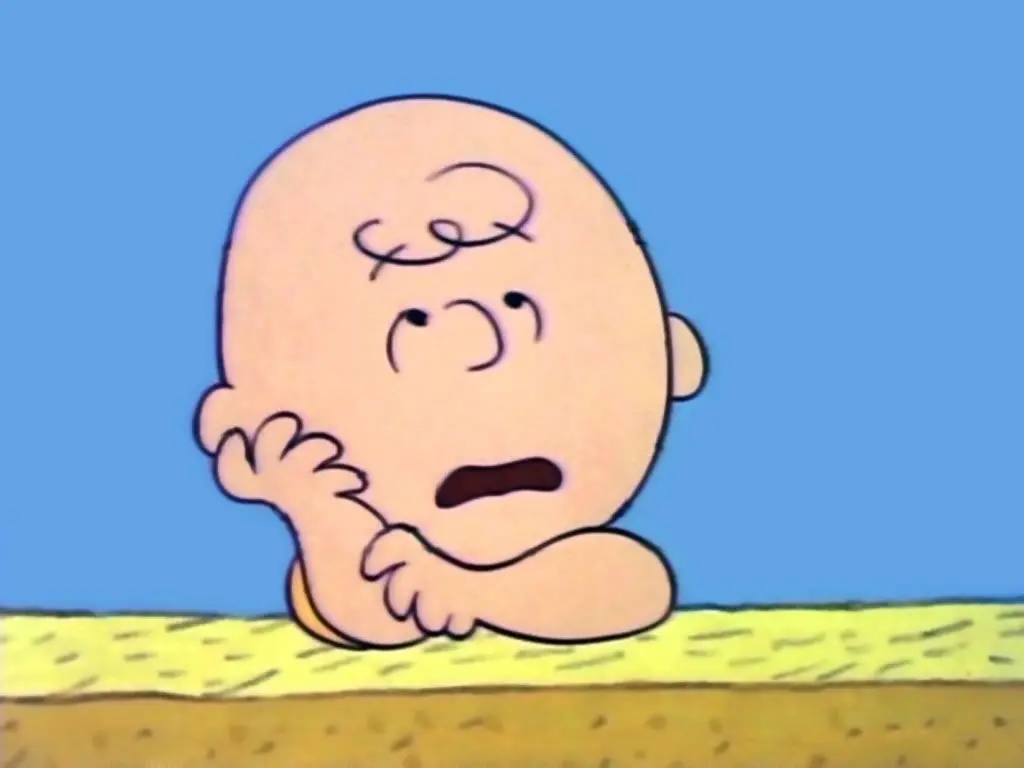
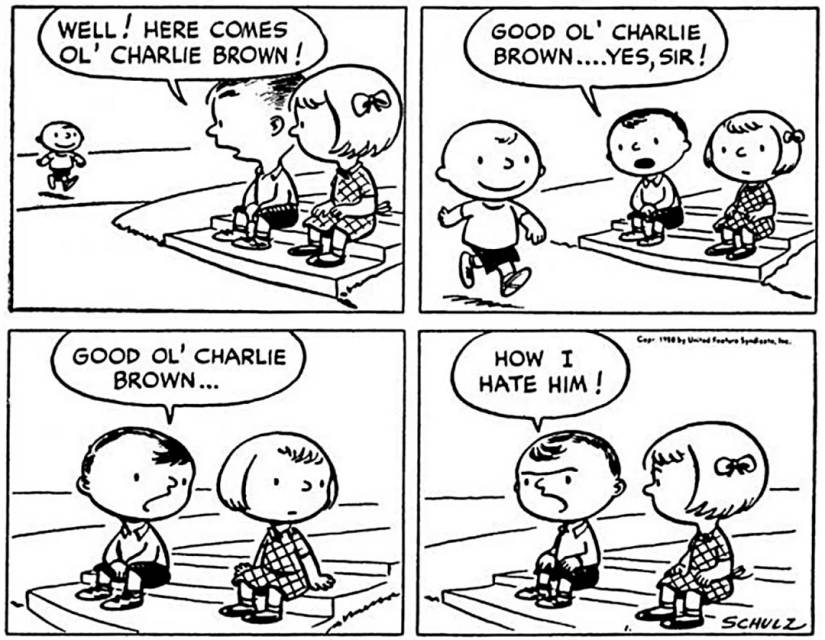
On October 2, 1950, a modest comic strip debuted in seven newspapers across the United States. It featured a trio of children—Shermy, Patty, and a round-headed boy named Charlie Brown. In that inaugural strip, the characters sat on a curb, observing Charlie Brown as he walked by. The exchange was simple, yet it established a cynical, biting humor that would define the strip for half a century. Shermy remarks, "Well! Here comes ol’ Charlie Brown!" and repeats the phrase twice more with admiration. Then, in the final panel, he delivers the punchline to Patty: "How I hate him!"
This was the beginning of Peanuts, a cultural phenomenon that would eventually reach more than 2,600 newspapers worldwide. For 50 years, Charles Schulz chronicled the anxieties, joys, and existential ponderings of the Peanuts gang, becoming a titan of the medium. However, the story of Peanuts did not end with a grand, planned narrative arc. Instead, it reached a conclusion defined by the harsh realities of human mortality. While Charles Schulz did not end his life’s work by choice, the way he managed his departure remains one of the most poignant and carefully considered exits in the history of popular culture.
The Origins of a Cultural Icon
Before the world knew Charlie Brown, Snoopy, or Linus, Charles Schulz was drawing a strip called Li’l Folks. Distributed in the St. Paul Pioneer Press in Minnesota from 1947 to 1950, the strip featured small children and early versions of the archetypal characters that would eventually inhabit the Peanuts universe. However, the creative freedom Schulz enjoyed was limited, and his compensation was meager—he was paid just $10 per comic.

Schulz’s departure from the Pioneer Press was triggered by a dispute over his salary. When his editor refused to grant him a raise, Schulz quit, taking his talents and his characters to the United Feature Syndicate. The syndicate saw the potential in his work but insisted on a name change. A strip titled Little Folks already existed in the 1930s, and the syndicate wanted to avoid legal complications. The name Peanuts was ultimately chosen, inspired by the "Peanut gallery"—the name given to the studio audience of children who watched the popular television program The Howdy Doody Show. It was a name that stuck, eventually becoming synonymous with the most successful comic strip of the 20th century.
The Gradual Conclusion of the Peanuts Gang
As the decades passed, Peanuts became more than a newspaper feature; it was a mirror for the human condition. Schulz’s characters, particularly the perpetually defeated Charlie Brown and the imaginative, daydreaming beagle Snoopy, became global icons. But by the late 1990s, the physical demands of producing a daily strip began to clash with the reality of the artist’s health.
In November 1999, it became evident that Schulz’s health was in a period of sharp decline. He had suffered a series of strokes, and doctors subsequently discovered he was battling colorectal cancer. The treatment regimen, which included chemotherapy, was physically taxing. Perhaps more significantly for an artist whose livelihood depended on his precision, his vision was beginning to fade. On December 14, 1999, Schulz made the difficult announcement that he would be retiring. He was clear with his audience: this was not a creative choice, but a necessity born of his inability to maintain the rigorous, high-quality output the strip demanded.

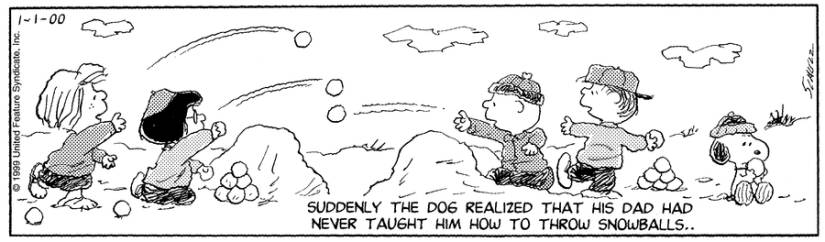
The transition toward the end was measured and, in true Peanuts fashion, understated. On January 1, 2000, the final "true" weekday strip was published. It depicted the gang in the midst of a snowball fight, with Snoopy inspecting a snowball he had crafted. The caption, "Suddenly the dog realized that his dad had never taught him how to throw snowballs," was accompanied by art that betrayed Schulz’s declining physical condition. The lines were notably shakier than they had been in his prime, a subtle but heartbreaking testament to his struggle.
On January 3, 2000, Schulz published his final daily strip. It featured Snoopy sitting at his typewriter, accompanied by a letter to his readers: "Dear Friends… I have been fortunate to draw Charlie Brown and his friends for almost 50 years. It has been the fulfillment of my childhood ambition."
In that final message, Schulz expressed his profound gratitude for the loyalty of his editors and the enduring love of his fans. He noted that his family did not wish for Peanuts to be continued by another artist, effectively ensuring that the strip would conclude with his own hand. "Charlie Brown, Snoopy, Linus, Lucy… how can I ever forget them…" he wrote, closing a chapter that had spanned half a century.
A Final, Poetic Coincidence
While January 3 marked the end of the daily Peanuts strips, the mechanics of newspaper syndication meant that Sunday installments were prepared weeks in advance. For several weeks, readers continued to see the Peanuts gang in their local Sunday editions. The final, official Peanuts comic strip appeared on February 13, 2000. It was a Sunday edition that featured a heartfelt farewell, bordering on a collage of the strip’s most iconic images. It included a small panel of Charlie Brown on the phone, saying, "No, I think he’s writing…" followed by the same poignant message Schulz had penned for the daily readers weeks prior.
The timing of this final release would take on an almost eerie significance. Charles Schulz passed away from a heart attack on February 12, 2000—the day before the final strip hit newsstands.
He was 77 years old. While he knew his health was failing, he could not have planned the alignment of his passing with the publication of the final installment of his life’s work. It was a coincidence of timing that added a final layer of melancholy to a strip that had always balanced humor with a deep, existential sadness. To his fans, it felt as though the creator and his creation had decided to walk away together, side by side.
Even though the end was forced by illness rather than a creative whim, Schulz managed to orchestrate a conclusion that was remarkably dignified. He did not pass the torch; he did not allow the strip to be watered down by assistants or successors. Instead, he maintained control until the very last moment, leaving behind a legacy that remains as fresh and relevant today as it was in 1950. The story of Peanuts was one of resilience, and in its final chapter, it proved that even in the face of an inevitable end, there is a grace to be found in finishing what one started. Charles Schulz left his characters behind, but in doing so, he cemented their place in history, proving that "Good ol’ Charlie Brown" would be remembered long after the ink had dried.