









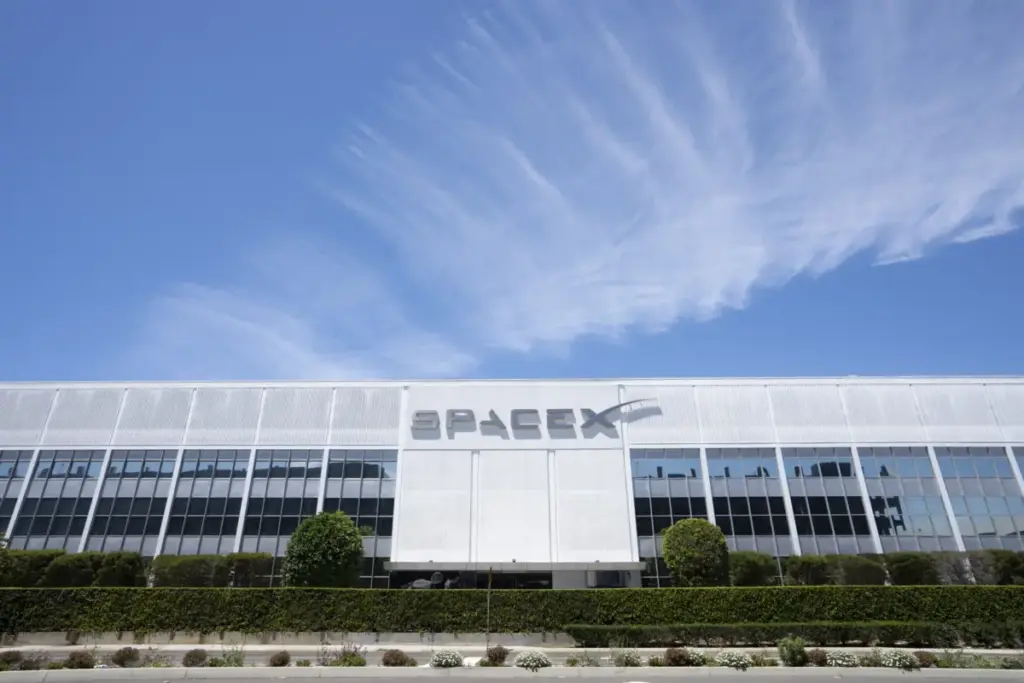
SpaceX is continuing to aggressively press its case before the Federal Communications Commission (FCC), arguing that the rapid proliferation and widespread availability of low-Earth orbit (LEO) satellite internet services render traditional rural broadband subsidies obsolete. In its latest regulatory filings, the aerospace and satellite company did not hold back, labeling the opposing arguments presented by what it termed "subsidy-dependent incumbents" as "unfounded" and "implausible."
The company’s most recent remarks on the matter were submitted in the form of reply comments responding to an ongoing FCC proceeding focused on modernizing the High-Cost program. The High-Cost program is a critical component operated under the broader umbrella of the federal Universal Service Fund (USF), designed specifically to subsidize the deployment, operation, and ongoing maintenance of telecommunications networks in remote and rural areas across the United States. Following an initial comment window that concluded on August 4, stakeholders submitted their reply comments by September 3, setting the stage for a high-stakes policy showdown over the future of federal telecom spending.
SpaceX had previously staked out its aggressive position in August during the initial comment phase of the High-Cost modernization proceeding. At that time, the company formally urged the FCC to "wind down and sunset" the legacy funding mechanisms. SpaceX argued that these multibillion-dollar programs have "outlived their purpose" in a modern technological landscape defined by ubiquitous, high-speed LEO satellite access that can bypass the immense costs and physical limitations of traditional terrestrial infrastructure builds.
However, the notion that the widespread availability of satellite-based internet should completely render the High-Cost program obsolete was met with fierce resistance from industry groups representing traditional wireline and terrestrial service providers in rural communities. Trade associations such as NTCA—The Rural Broadband Association and USTelecom pushed back strongly, arguing that LEO operators fundamentally cannot meet the rigorous universal service standards laid out in Section 254 of the Telecommunications Act. These terrestrial groups pointed to what they described as satellite internet’s historically inconsistent performance metrics, the lack of native voice services over many satellite links, and the undisputed long-term superiority of fiber-optic broadband infrastructure for handling future capacity demands.
‘Unfounded’ Arguments and Outdated Corporate Welfare
Taking direct aim at those criticisms and similar industry pushback, SpaceX unleashed a sharp rebuttal in its September 3 reply comments, accusing subsidy-dependent incumbents of acting out of self-preservation rather than a genuine concern for public policy or consumer welfare.
"Subsidy-dependent incumbents, apparently regarding this success as a threat, seek to manufacture complexity, delay action, and preserve an outdated corporate-welfare program," SpaceX wrote in its September 3 filing with the federal regulator. "These incumbents’ rehashed attacks on alternative technologies like satellite broadband are unfounded and grow more implausible as these new technologies continue to scale."
In addition to maintaining that the "Commission’s own data confirms that unsubsidized high-speed residential broadband is now effectively universally available," SpaceX highlighted several broader market shifts to reinforce its position that the High-Cost fund should be brought to a permanent close. Among these points was the general market availability of voice services and the FCC’s longstanding institutional support for technologically neutral regulatory policies.
"Voice service, another purported justification for retaining costly subsidies, is now a commoditized offering available to every American with a broadband connection via mobile and interconnected VoIP, and an overwhelming majority of Americans have already moved on from legacy switched voice services," SpaceX argued in its filing. "Notwithstanding the incumbents’ efforts to overcomplicate this matter, the Commission’s longstanding support of technological neutrality and its policy limiting subsidies to locations that are not served by unsubsidized competitors compel the conclusion that High-Cost support should be retired."
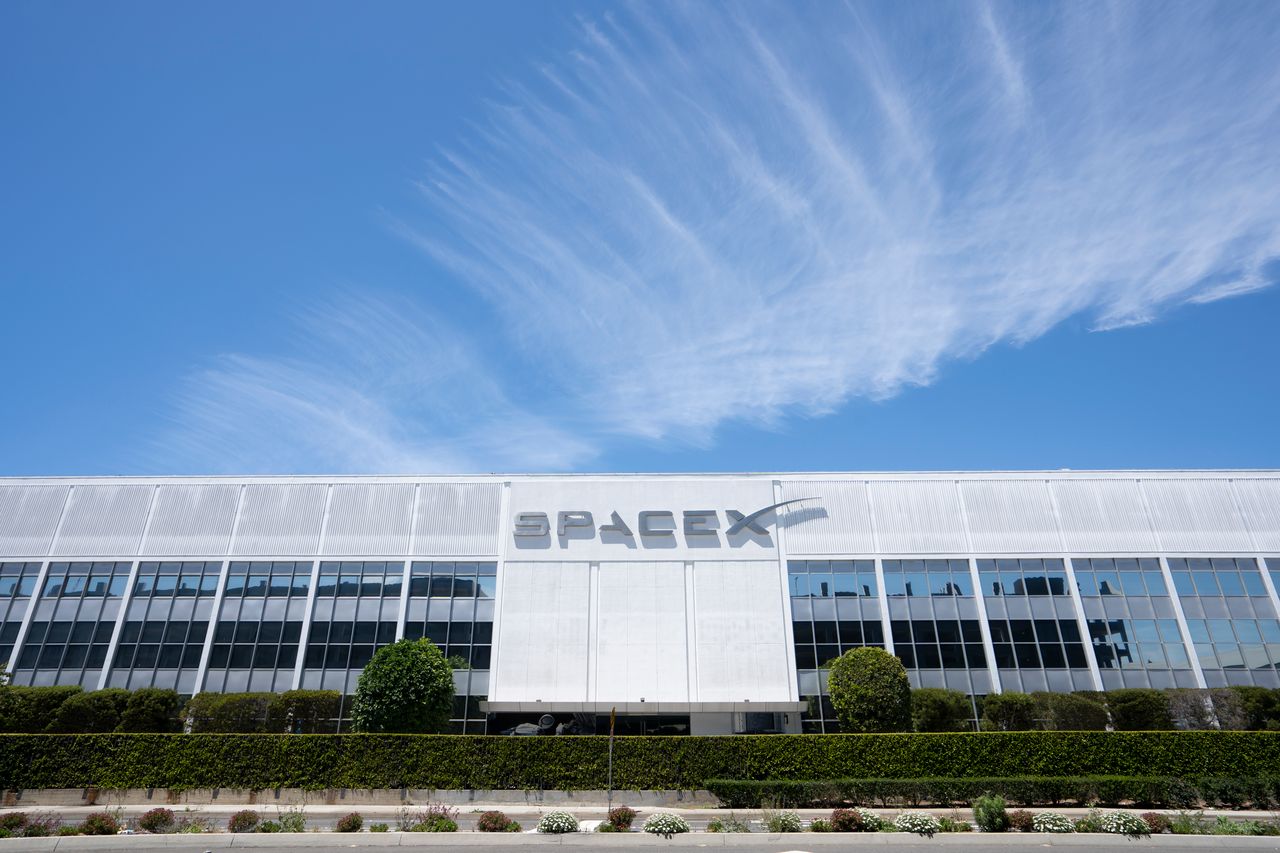
Furthermore, SpaceX reiterated its policy proposal that the FCC should not simply dissolve the funding stream without purpose, but rather pivot and redirect existing High-Cost financial resources toward a more targeted broadband affordability program to assist low-income consumers.
"The Commission should freeze further reliance-based High-Cost investment, implement an orderly wind-down, and redirect scarce Universal Service resources toward affordability programs that actually help consumers," the company stated. "Broadband access is no longer the problem that needs solving; affordability is. Continuing to fund duplicative, commercially unsustainable networks while starving more effective programs is clearly contrary to the public interest."
A Waste of Prior Funds and Essential Networks
Despite SpaceX’s aggressive campaigning, a diverse coalition of industry stakeholders has continued to add their voices to the growing chorus warning that it would be profoundly detrimental to completely abolish High-Cost support and declare total victory over the digital divide based solely on the launch of satellite constellations.
In reply comments filed by the Wireless Internet Service Providers Association (WISPA) on September 3, the organization argued that LEO satellite technology should be viewed strictly as a supplementary or limited option rather than a universal replacement for terrestrial networks. WISPA maintained that LEO services should only be relied upon in geographical locations where traditional terrestrial deployment is demonstrably infeasible due to extreme terrain or isolation.
WISPA explicitly referenced and systematically refuted the core assertions made in SpaceX’s regulatory filings. "SpaceX argues that next-generation satellite service is ubiquitously available throughout the United States and that continued subsidies where unsubsidized alternatives exist distort competition and waste limited resources," WISPA stated in its submission. "But broad availability does not establish that LEO provides qualifying, affordable, and sustainable service with sufficient capacity at every location. The record’s concerns regarding capacity, affordability, reliability, and other service characteristics therefore counsel against treating LEO availability alone as dispositive."
Concerns over the practical limitations of satellite technology were echoed by other specialized groups. A separate filing submitted by the National Tribal Telecommunications Association (NTTA) took direct aim at the premise that LEO service renders high-cost support unnecessary. The NTTA pointed directly to what it described as well-documented operational problems concerning low-Earth orbit satellite services meeting strict universal service requirements, particularly regarding their ability to deliver consistently stable service speeds and low latencies across high-density usage periods.
Furthermore, the NTTA raised a critical economic argument regarding the billions of public dollars that have already been poured into building physical telecommunications infrastructure in remote regions over previous decades. The group warned that eliminating the High-Cost support mechanism would effectively guarantee that all of those prior investments go to waste by pulling the rug out from under the networks that keep rural communities connected.
"Finally, to eliminate HCS, as some commenters recommended, completely ignores the fact that in most instances funding for the deployment of these networks was through federal and state sources," the NTTA argued in its filing. "Once deployed, these networks, which to reiterate are operated in high-cost areas where an independent business case does not exist to provide service to everyone, will need ongoing sustainability funding to continue providing services at affordable rates. To eliminate HCS would then, in essence, ensure that previous funding is wasted."