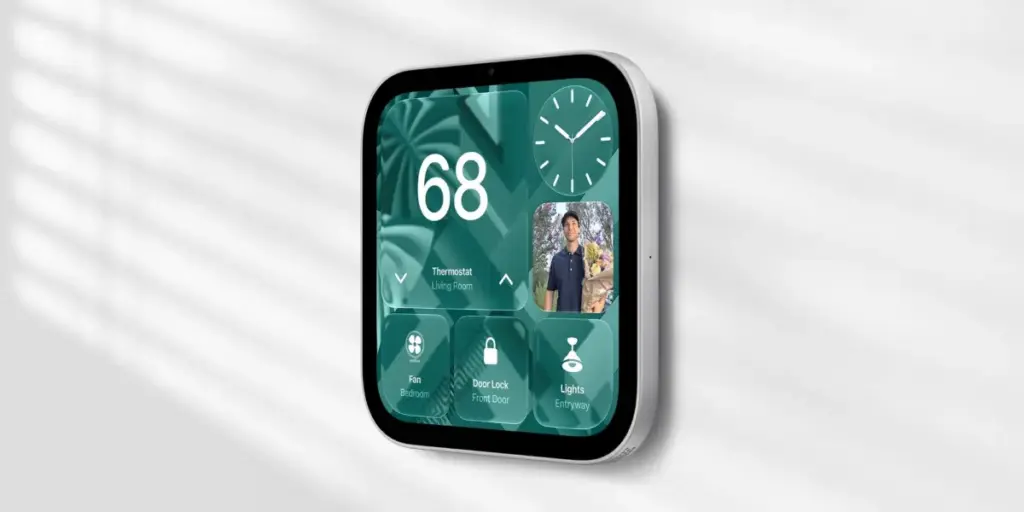
Apple has officially pulled back the curtain on its latest foray into the smart home ecosystem with the introduction of HomeView. The new product line, which aims to bridge the gap between a traditional smart speaker and a wall-integrated home management console, represents a significant shift in Apple’s strategy for the connected home. While the announcement has been met with considerable excitement from the enthusiast community, a closer look at the pricing structure and hardware requirements for the wall-mounted model reveals a more complex financial reality for potential buyers.
The HomeView lineup, which is available for pre-order immediately, will begin shipping to customers on November 13. By introducing this device, Apple is clearly looking to reclaim ground in the competitive smart display market, offering a sleek, user-friendly interface that integrates deeply with the broader HomeKit ecosystem. However, the product’s launch is accompanied by a nuanced pricing strategy that requires consumers to pay close attention to which model they choose and what accessories they might need to purchase alongside it.
Two Models, One Price, Different Experiences
At the heart of the launch are two distinct versions of the HomeView: the standard Apple HomeView and the Apple HomeView (Wall Mounted). On the surface, the two devices share a common identity, both serving as centralized hubs for smart home control. They are designed to manage lights, locks, security cameras, and climate control systems with the fluid, intuitive interface that Apple users have come to expect.

Perhaps the most surprising aspect of the launch is the unified pricing. Both the standard model—which comes equipped with an integrated, high-fidelity speaker base—and the wall-mounted variant are priced at $299. For many consumers, this parity might seem straightforward at first glance, but it masks a significant difference in hardware value. The standard model includes a robust, room-filling speaker system designed to serve as both a control center and a media player. The wall-mounted version, by contrast, trades that acoustic power for a thinner, more streamlined profile designed specifically for flush-mounting on a wall.
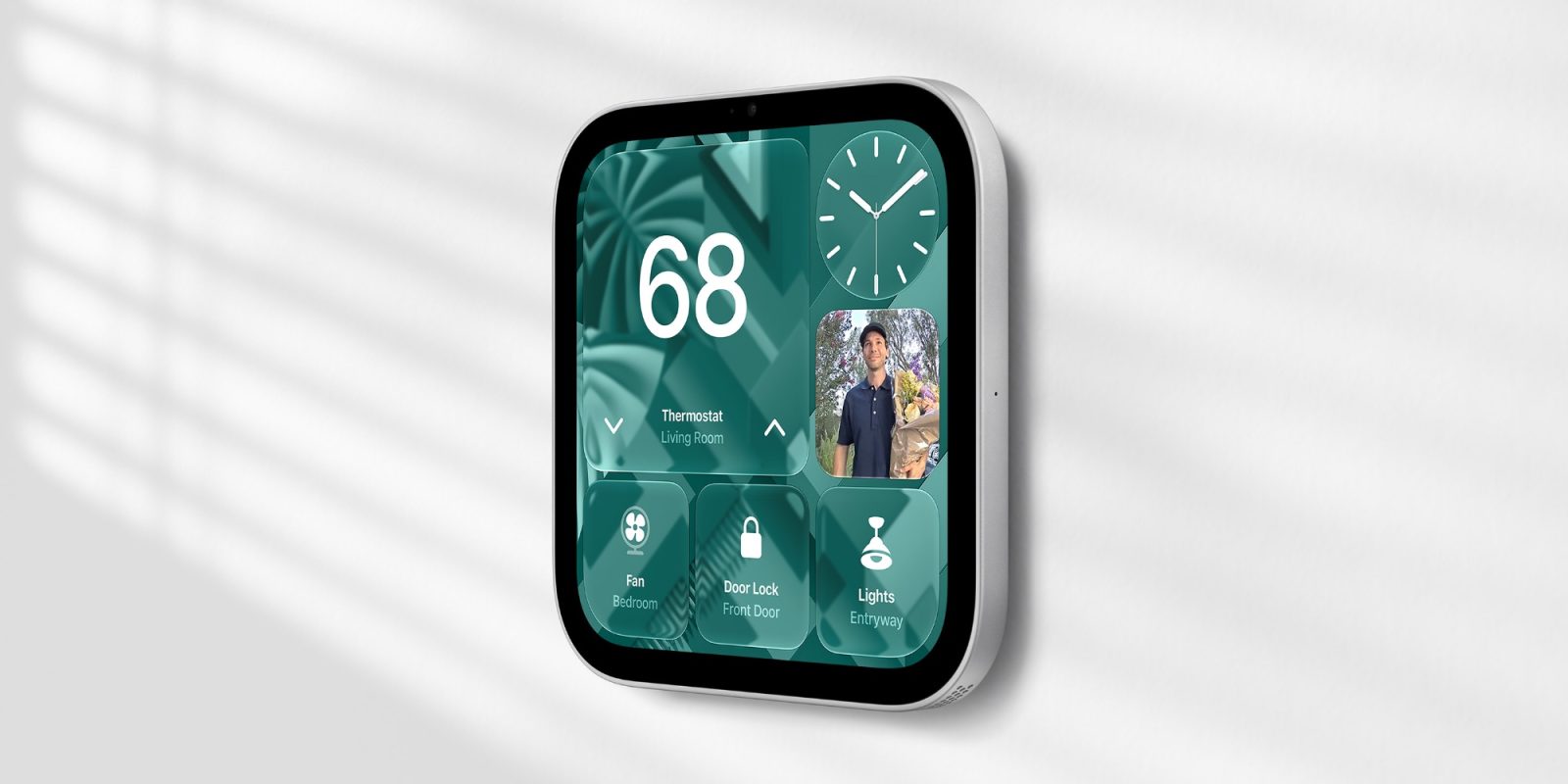
This leads to a potential point of contention for early adopters. While the price tags are identical, the utility provided by the two devices differs significantly. Customers who opt for the wall-mounted model are effectively choosing a specialized aesthetic and utility, but they are doing so at the cost of the premium audio components found in the standard unit.
The Hidden Cost of Wall Mounting
The conversation surrounding the wall-mounted model becomes even more critical when considering the installation requirements. Despite being marketed as a "Wall Mounted" device, the $299 price tag does not include the hardware necessary to actually mount it to your wall. Apple has confirmed that the device ships as a standalone unit, and the responsibility for securing the necessary mounting solution falls entirely on the user.
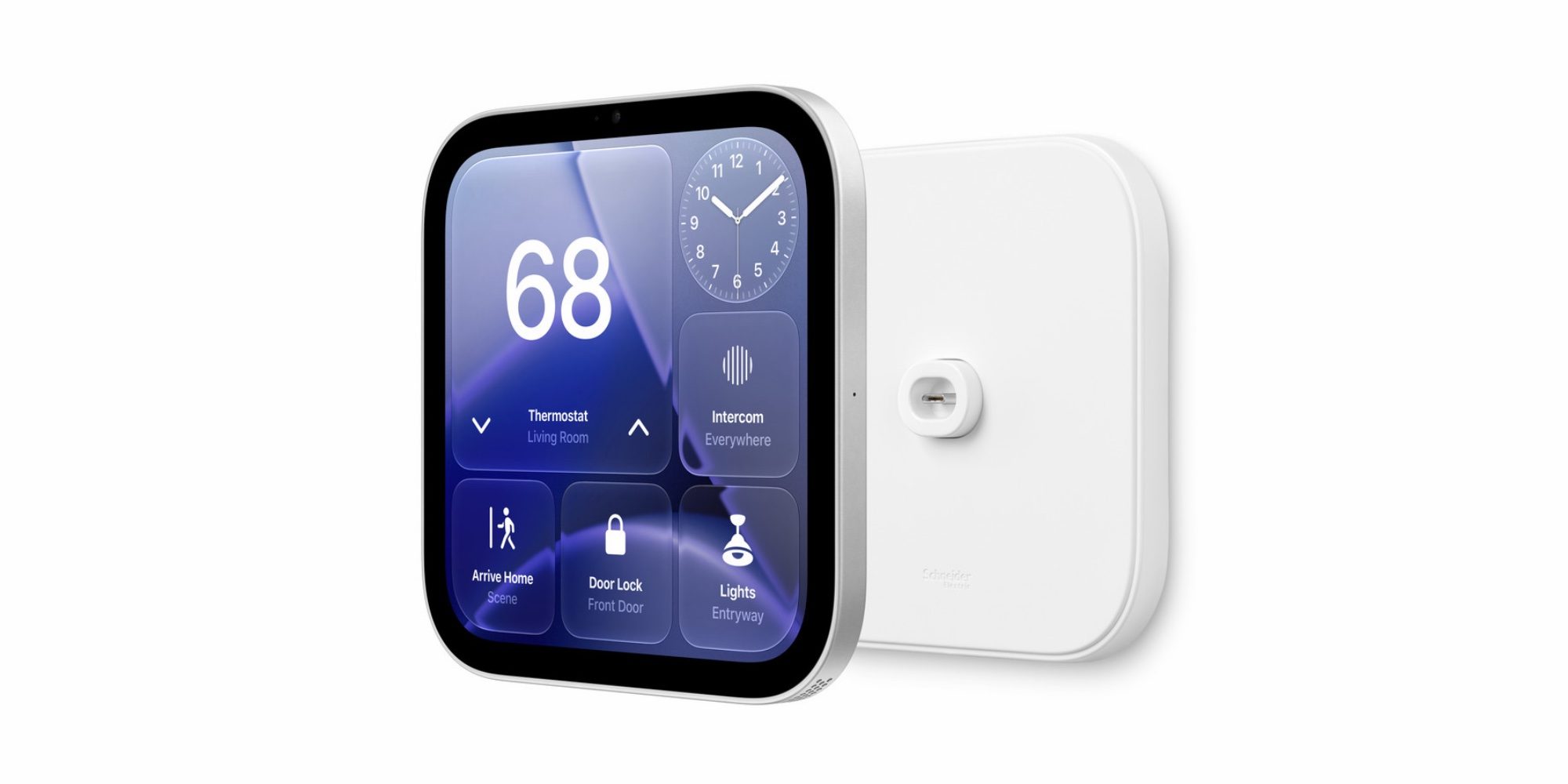
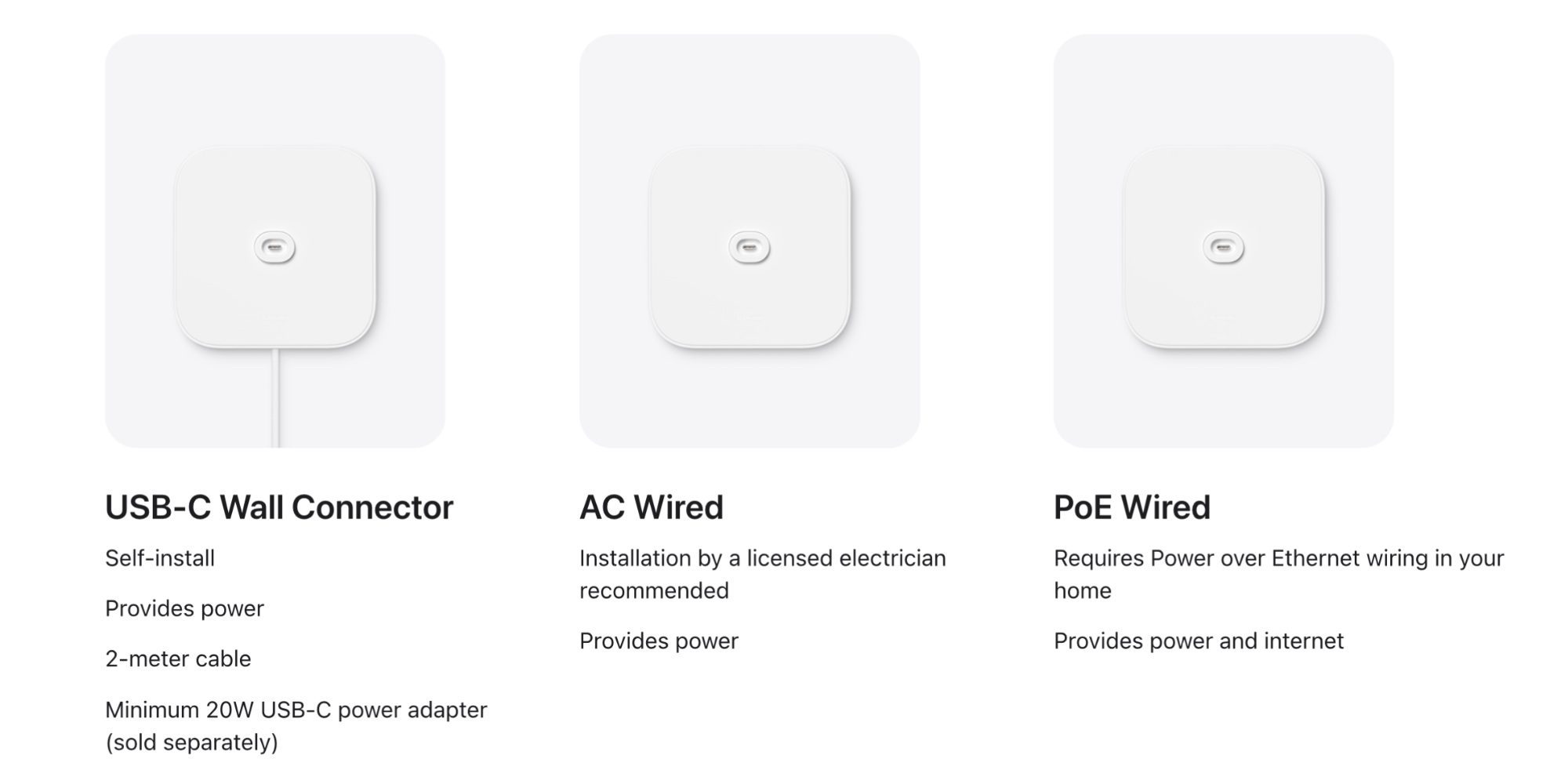
To facilitate this, Apple has partnered with Schneider Home to provide a range of official mounting accessories. These mounts are sold separately and start at $59. This effectively means that the true cost of ownership for a user who intends to wall-mount their device is at least $358, before taxes. For a consumer who may have been drawn in by the $299 headline price, this additional expense could come as a surprise.
The company has framed this as a way to offer modularity and choice, allowing users to select the mounting hardware that best fits their home’s decor and structural needs. However, the requirement is non-negotiable. Apple has explicitly warned customers that the HomeView (Wall Mounted) model is not designed to function without a proper mounting and power solution. This creates a mandatory secondary purchase, fundamentally altering the value proposition of the wall-mounted model compared to its standalone counterpart.
Expanding the Ecosystem: Future Mounts and Partnerships
The current accessory lineup, developed in collaboration with Schneider Home, offers two distinct options for mounting the device. These options are available for pre-order alongside the HomeView itself and are expected to arrive in the same shipping window. By outsourcing the mounting hardware to a specialized partner like Schneider Home, Apple is likely attempting to ensure that the installation process is as seamless and safe as possible, particularly given the electrical requirements involved in a permanent wall installation.
Looking further ahead, Apple has already signaled that the ecosystem will grow. The company has confirmed that a third mounting option is currently in development and is slated for release in early 2027. This suggests a long-term commitment to the HomeView platform and a recognition that, for many users, the installation of a smart hub is a permanent home improvement project rather than a simple consumer electronics purchase.
The reliance on these specialized mounts also highlights the importance of professional or careful DIY installation. Because the wall-mounted model requires an integrated power solution—unlike the standard model which can simply be plugged into a wall outlet—users will need to consider the logistics of routing power to the location where they intend to mount the device. This adds a layer of complexity that distinguishes the HomeView (Wall Mounted) from almost every other smart display currently on the market.
The Broader Context of Smart Home Integration
The launch of the HomeView comes at a time when the smart home market is undergoing a period of consolidation and refinement. Consumers are increasingly looking for devices that offer more than just voice control; they want command centers that provide visual feedback, security monitoring, and seamless interoperability. By positioning the HomeView as a premium, design-forward product, Apple is aiming to capture the high-end market segment that values aesthetics as much as functionality.
The decision to offer two distinct models reflects a sophisticated understanding of consumer behavior. Some users want a portable or tabletop device that can be moved from room to room, benefiting from the superior audio of the speaker base. Others want a permanent, unobtrusive fixture that blends into the architecture of a modern home. By offering both, Apple is attempting to cater to both demographics under a single brand umbrella.
However, the "hidden" cost of the wall-mounted model remains the most debated aspect of the release. In the world of premium consumer electronics, users are often accustomed to paying for quality, but they are generally less tolerant of "a la carte" pricing for essential components. Whether the sleekness of the wall-mounted experience justifies the additional $59 (or more) for the mounting hardware is a question that will likely be answered by sales data in the coming months.
A Strategic Move for the Future
As November 13 approaches, the first wave of pre-orders will provide the first real-world test of the HomeView’s design and installation process. The industry will be watching closely to see how the market reacts to the wall-mounting requirement. If the setup is intuitive and the aesthetic result is as polished as the marketing suggests, the additional cost may be viewed as a necessary premium for a high-end installation.
For now, the message to potential buyers is clear: evaluate your space and your needs carefully before hitting the checkout button. If you are looking for a plug-and-play experience that includes high-quality audio, the standard HomeView is the straightforward choice. If you are committed to the wall-mounted aesthetic, be prepared to budget for the necessary mounting hardware from the outset.

The HomeView represents a bold, if slightly complex, step forward for Apple in the home automation space. By leaning into the professional installation aesthetic and partnering with specialists for hardware mounting, Apple is signaling that it views the smart home not just as a collection of gadgets, but as a permanent part of the home’s infrastructure. As the platform matures—with more mounting options arriving in 2027 and continued software updates—it will be fascinating to see how the HomeView evolves from a new product launch into a cornerstone of the modern connected household.