The automotive industry has long been defined by the pursuit of speed, handling, and aesthetic appeal. However, Tesla’s latest unveiling of its next-generation Roadster has shifted the conversation from mere road performance to something that feels decidedly science-fictional. During a recent launch event that defied traditional expectations, the automaker demonstrated a series of daring, gravity-defying stunts that underscored the company’s commitment to pushing the boundaries of vehicle physics. By integrating aerospace-grade technology into a consumer vehicle, Tesla is signaling a new chapter for the Roadster—one where the car does not just drive, but maneuvers through the air.
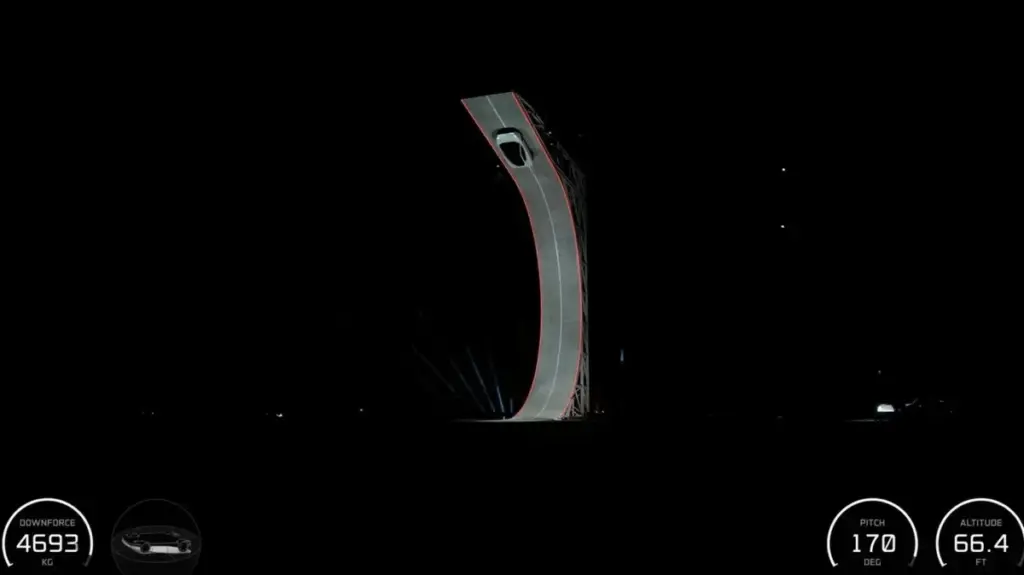
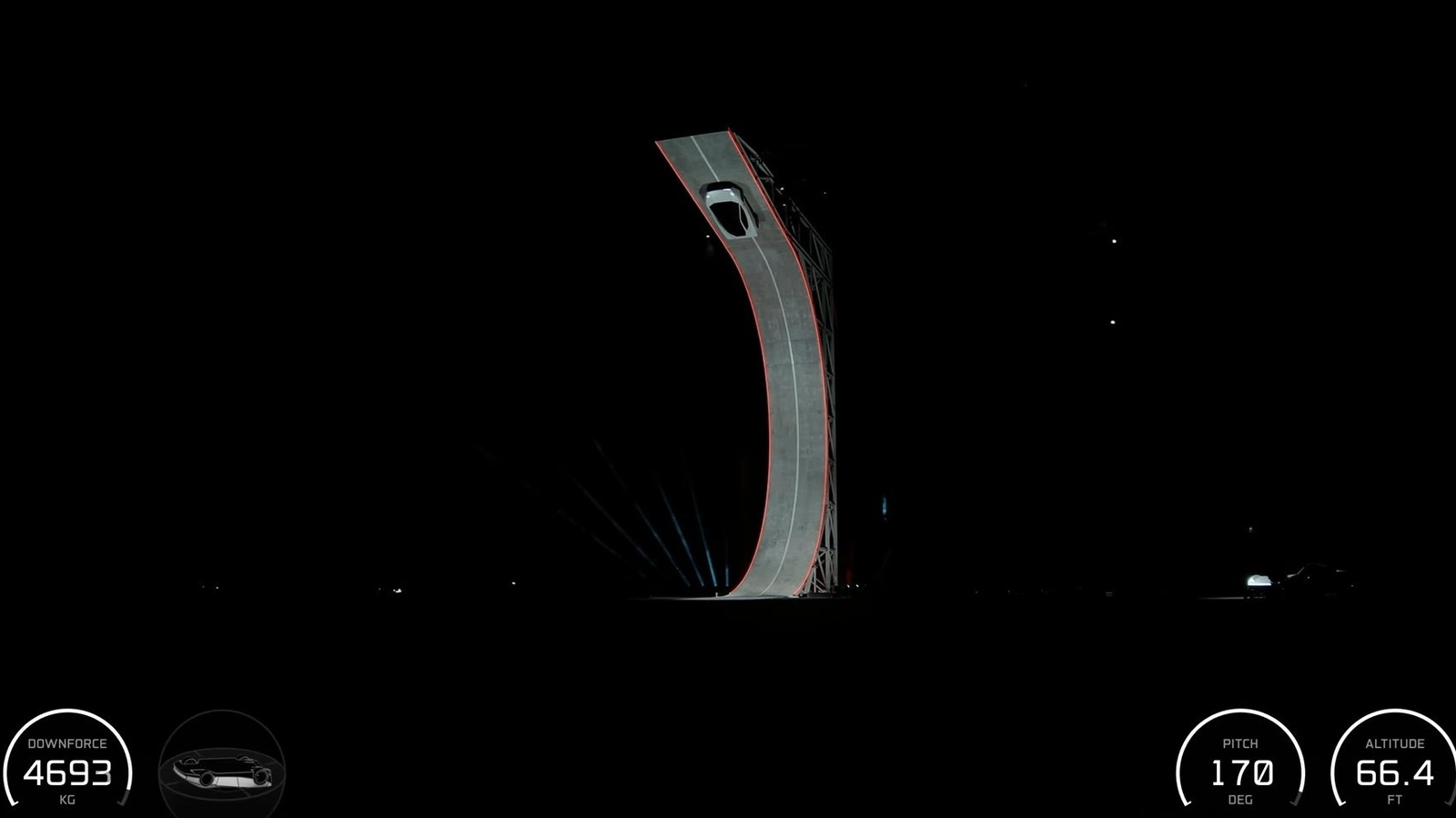
The presentation was characterized by a theatrical display of engineering prowess. Perhaps the most striking moment occurred when the Roadster appeared at the base of a C-shaped ramp. In a sequence that seemed to challenge the basic laws of gravity, the vehicle accelerated up the incline, not once but twice, coming to a complete, controlled stop at the very top. In this position, the car remained perpendicular to the ground, effectively hanging upside down. This feat, which would be impossible for any standard production vehicle, served as a vivid demonstration of the car’s specialized suction technology.
Following this stationary display, the performance escalated. The Roadster launched itself from the ramp, executed a deliberate mid-air roll, and descended back to the pavement with a degree of grace that appeared almost unnatural. This controlled landing was made possible by the integration of cold-gas thrusters—a technology directly borrowed from SpaceX’s rocket development programs. The ability to hover and maneuver using high-pressure gas bursts represents a significant departure from conventional automotive engineering, marking the first time such aerospace systems have been adapted for a street-legal—or perhaps, street-defying—electric vehicle.
The stunts were not limited to ramp maneuvers. In a display of power and vertical agility, the Roadster was filmed jumping over a fleet of other Tesla vehicles lined up side-by-side. The car cleared the row of parked models with ease, further emphasizing the vehicle’s unique power-to-weight ratio and its capacity for controlled vertical displacement. As the presentation reached its climax, the Roadster performed a final, stationary flip, launching from a complete stop, rotating in the air, and hovering briefly before settling back onto the ground. This sequence, captured in high-definition video and shared by the company, served as a clear message to both the industry and consumers: the Roadster is designed to be more than just a car; it is intended to be a platform for radical technological experimentation.
The integration of these features is a direct reflection of Tesla’s broader corporate ecosystem. By leveraging the expertise of SpaceX, Tesla is attempting to bridge the gap between automotive transit and aerospace mobility. The cold-gas thruster system, while novel, is a sophisticated application of fluid dynamics and pressurized gas propulsion that provides the necessary force to stabilize the vehicle during unconventional maneuvers. For enthusiasts and skeptics alike, the footage of the car hanging upside down on a ramp provides a tangible look at what this technology can achieve in a controlled environment.
Naturally, the excitement surrounding the vehicle’s capabilities has been met with significant interest regarding its availability. Tesla has officially opened reservations for the next-generation Roadster, inviting potential owners to join a tiered system of access. The base model, which promises the foundational performance of the new platform, is available for a $5,000 reservation fee, with an additional $45,000 payment required within 10 days to secure the vehicle order. This pricing structure positions the base Roadster as a high-end luxury item, consistent with the company’s previous trajectories for its flagship sports models.
However, for those seeking the full "stunt-capable" experience, the path to ownership is more exclusive. The version of the Roadster equipped with the suction technology and the high-performance accelerator thrusters—the very systems that allowed for the gravity-defying ramp maneuvers—is listed at a significantly higher reservation cost of $250,000. This tier represents the absolute pinnacle of Tesla’s current design goals, incorporating the specialized hardware necessary to manipulate the car’s position while in motion or stationary.
Even more exclusive is the variant capable of the vertical jumping and hovering maneuvers demonstrated during the event. Tesla has designated this version as an invite-only opportunity, limited to a select group of customers. This strategy suggests that the company is taking a cautious, controlled approach to releasing such advanced hardware, likely to ensure that users are adequately prepared for the unique nature of the vehicle’s performance. By keeping the most capable version of the Roadster behind an invitation-only wall, Tesla is managing both the logistical challenges of producing such complex machines and the safety considerations inherent in piloting a vehicle capable of aerial movement.
The reaction to these stunts has been widespread, with clips of the Roadster circulating across social media platforms. Tesla’s own social media channels have leaned into the spectacle, using the slogan "Real life, baby" to accompany the footage of the vehicle’s maneuvers. This branding effort is designed to reinforce the notion that what the public witnessed was not a digital render or a controlled CGI simulation, but a legitimate demonstration of physical engineering.
The implications for the automotive sector are profound. While the Roadster is clearly positioned as a niche vehicle, the technologies it showcases—specifically the use of gas-based thrusters for stability and movement—could influence future designs. For now, the Roadster stands as a testament to the company’s willingness to blur the lines between traditional driving and extreme performance art. Whether these capabilities will translate into a practical experience for the average owner remains to be seen, but the intent behind the development is clear. Tesla is moving forward with a vision that prioritizes the extraordinary, aiming to provide a driving experience that fundamentally alters the relationship between a car and the ground beneath it.
As reservations continue to roll in, the focus will likely shift from the excitement of the stunt show to the technical realities of bringing such a vehicle to mass production. The logistical hurdles of manufacturing a car with built-in thrusters and suction systems are substantial, requiring precision engineering that exceeds current automotive standards. Nevertheless, the successful demonstration at the launch event has set a high bar for the project. For the customers who have already committed to the reservation process, the wait for the final product will be a test of patience, as they look toward a future where their vehicle might be capable of far more than just navigating roads. The Roadster is not merely an electric sports car; it is a declaration of intent from Tesla that the future of personal transport may involve a lot more airtime than previously imagined.